 Inglés
 Español
Temperature Sensor Selection for Extreme Heat Industrial Applications
Accurate temperature sensing in high-heat industrial settings isn’t optional. Get it wrong, and you’re looking at process drift, wasted energy, or worse. With over a decade in the field and more than 150,000 solutions deployed globally, Pokcenser Automation builds high temperature sensing systems that hold up where standard equipment fails.
What Makes High Temperature Environments So Hard on Sensors
Furnaces, kilns, and reactors don’t care about your instrumentation budget. In oil & gas, chemical processing, and food production, temperatures routinely exceed what conventional sensors were designed to handle. The heat induces thermal stress that degrades materials over time. Sensor drift creeps in. Readings become unreliable. Without accurate temperature data, process control falls apart. Product defects, energy waste, equipment damage—these aren’t hypotheticals. They’re what happens when sensors can’t keep up with the environment they’re measuring.
Temperature Sensor Technologies That Actually Work in Extreme Heat
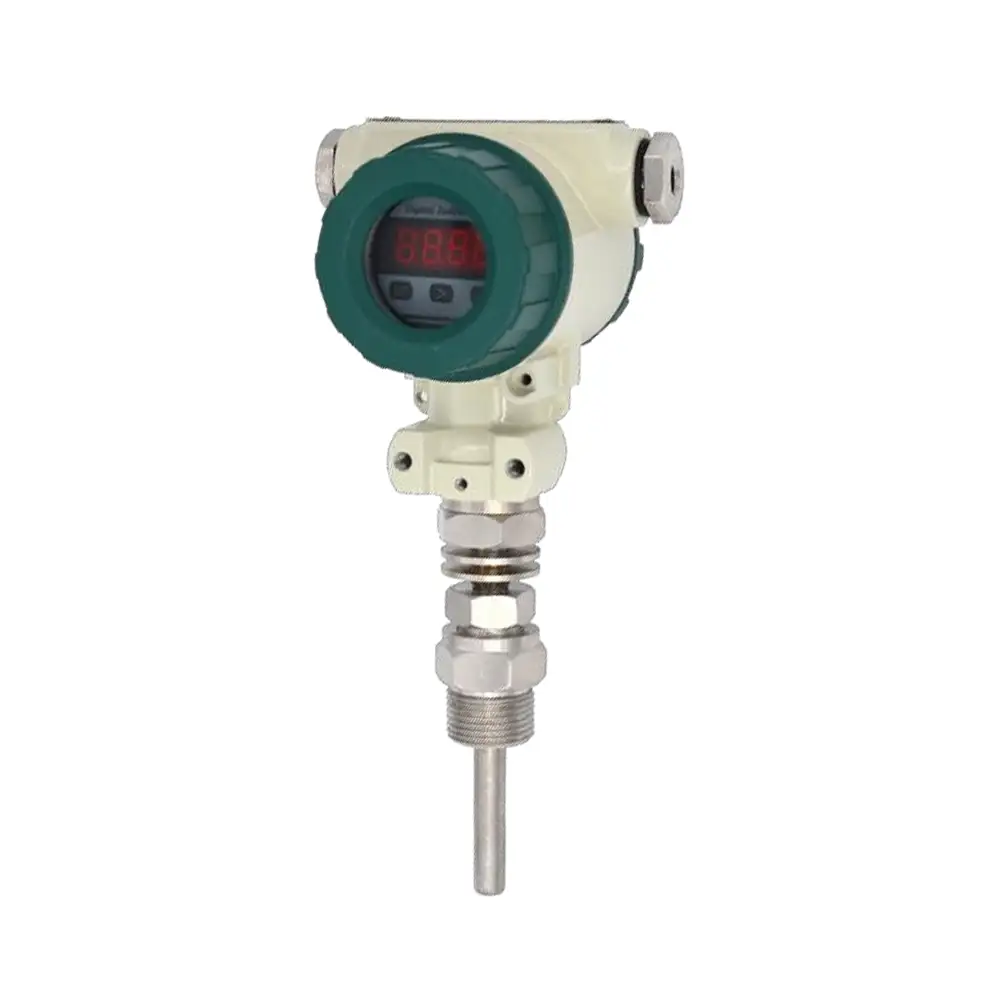
Matching sensor technology to application requirements matters more than most people realize. Thermocouples remain popular because they cover a broad temperature range and take a beating. Platinum RTDs (Pt100, Pt1000) deliver higher accuracy and better stability, though within narrower operational limits. Infrared pyrometers measure without contact, which makes them the go-to choice for extremely high temperatures or surfaces you simply can’t reach. Each technology trades off accuracy, response time, and durability differently.
| Tipo de sensor | Max Temperature Range | Precisión (típica) | Tiempo de respuesta | Ventajas | Disadvantages |
|---|---|---|---|---|---|
| Thermocouple (Type K) | up to 1260°C | ±0.75% | Fast | Wide range, robust, cost-effective | Less stable than RTDs, susceptible to drift |
| Thermocouple (Type R/S) | up to 1600°C | ±0.25% | Fast | Very high temperature capability, stable | Expensive, fragile |
| RTD (Pt100/Pt1000) | up to 600°C | ±0.1% | Moderado | High accuracy, excellent stability, repeatable | Limited temperature range, slower response |
| Infrared Pyrometer | up to 3000°C | ±1-2% | Very fast | Non-contact, extremely high temp, no wear | Affected by emissivity, line of sight required |
What to Evaluate When Selecting High Temperature Sensors
Temperature range is just the starting point. Our pre-sales team walks through the entire application before recommending anything. The sensor needs to handle both normal operating temperatures and potential excursions. Material compatibility determines whether the sensor and sheath will resist corrosion and mechanical stress from whatever medium they’re exposed to. Response time affects how quickly process control can react to temperature changes. Environmental factors like vibration, pressure, and chemical exposure all influence how long a sensor will last. Calibration stability over time reduces maintenance frequency and keeps accuracy where it needs to be.
Why Standard Temperature Sensors Fail in Extreme Heat
Standard sensors weren’t built for this. Materials designed for moderate temperatures break down fast under extreme heat, producing inaccurate readings and early failure. Sensor drift becomes a constant problem as output signals deviate from actual temperatures. Insulation breaks down. Mechanical stress compromises the sensor body. Replacement cycles shorten, costs climb. Specialized high-temperature sensors address these weaknesses through materials and designs engineered specifically for harsh thermal environments.
Getting Installation and Maintenance Right
Even the best sensor fails if installed poorly or neglected. Follow manufacturer guidelines for mounting and wiring. Protect cables from heat radiation and mechanical damage. Schedule regular calibration checks. Inspect for early signs of wear or degradation before they become failures. Pokcenser Automation provides support from initial evaluation through post-installation maintenance, covering the full lifecycle of your sensing equipment.
Maintenance That Keeps High Temperature Sensors Running
Visual inspections catch physical damage, corrosion, and insulation breakdown early. Regular recalibration against certified standards corrects drift and maintains accuracy. Check connection points for integrity. Verify proper thermal coupling. Know the common failure points for your sensor type, whether that’s sheath cracking or element contamination, and replace proactively. Preventing unexpected downtime beats reacting to it.
Custom Sensors and Where the Technology Is Heading
Off-the-shelf products don’t always fit. Pokcenser Automation offers OEM and ODM capabilities for applications that need custom temperature sensors built to specific parameters, materials, or form factors. This includes designs for unusual temperature ranges, corrosive environments, or integration with existing control systems. The industry is moving toward smarter sensors with built-in diagnostics, predictive maintenance features, and Industrial IoT connectivity. We’re building toward that future while solving today’s problems.
Selecting Sensors for Corrosive High Temperature Environments
When corrosive agents meet high heat, material selection becomes everything. The sensor sheath and thermowell need corrosion-resistant alloys like Inconel, Hastelloy, or specialized ceramics that can handle both the temperature and the chemical exposure. Protective coatings and hermetically sealed elements add durability in aggressive environments. Getting this right requires matching materials to the specific corrosive medium and temperature profile. Our team can help narrow down the options.
Work with Pokcenser Automation
Pokcenser Automation has spent over ten years as a sensor manufacturer and solution provider for industrial process control. Our CE, ATEX, ISO, and RoHS certifications reflect our commitment to quality and compliance. We’ve delivered more than 150,000 solutions to clients in over 100 countries, across oil & gas, water & wastewater, chemical & petrochemical, and food industries. A dedicated pre-sales and after-sales team handles everything from application evaluation to ongoing support. Contact us to discuss your high-temperature sensing requirements.
Tel: +86 181 7515 5326
Email: en**@*******er.com
Frequently Asked Questions About High Temperature Sensor Selection
What is the maximum operating temperature for common industrial thermocouples?
Type K thermocouples handle temperatures up to 1260°C (2300°F). Type R and S thermocouples extend to 1600°C (2912°F). The right choice depends on your specific application and accuracy requirements. Pokcenser Automation offers thermocouples designed for extreme heat across this range.
How does sensor accuracy affect process control in high temperature applications?
Small measurement errors compound quickly at high temperatures. Inaccurate readings throw off process control, affecting product quality, energy consumption, and safety margins. Careful sensor selection and regular calibration aren’t optional if you need reliable industrial performance.
Are there wireless temperature sensor options available for high temperature environments?
Wireless temperature sensors are becoming more viable for high-temperature applications. They reduce wiring costs and offer installation flexibility. Power sources, signal integrity, and environmental shielding all require careful consideration in extreme heat. Pokcenser can advise on suitable wireless options for your environment.
What certifications should I look for when selecting high temperature sensors?
Look for CE certification for European conformity, ATEX for hazardous environments, ISO for quality management, and RoHS for restricted hazardous substances. Pokcenser Automation holds these certifications, ensuring product quality, safety, and compliance with international standards.

