Quiénes somos

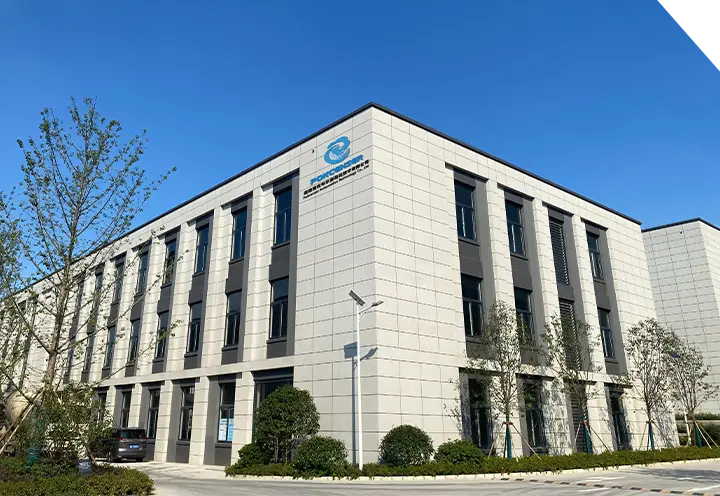
Pokcenser Automation es un fabricante de sensores de alta tecnología que integra I+D, producción y ventas. Como proveedor de soluciones excelentes y con experiencia en instrumentación de control de procesos industriales, Pokcenser ha desempeñado un papel importante en la Industria 4.0.

¿Por qué elegir Pokcenser?

01

Estricta gestión de la calidad

Prueba de envejecimiento a alta y baja temperatura de 48 horas, prueba de envejecimiento de 48 horas, gases de proceso de pureza 99,999%, 10 sistemas de alimentación y auxiliares para taller de envasado a temperatura y presión constantes.

02

Soluciones de productos

Somos directos. Escuchamos. Estamos a su lado. Soluciones oportunas y a medida para su producción y control industrial.

03

Entrega rápida

1~2 días de entrega para artículos en stock, 7 días para pedidos prioritarios de muestras.

04

Disponible OEM&ODM

Más de 7 años de experiencia en OEM/ODM para marcas de renombre mundial.

Acerca de Pokcenser

Automatización de Pokcenser en cifras

0+
AÑOS DE EXPERIENCIA
0+
CLIENTES SATISFECHOS
0+
PAÍSES ATENDIDOS
0+
SOLUCIONES APORTADAS

Certificados

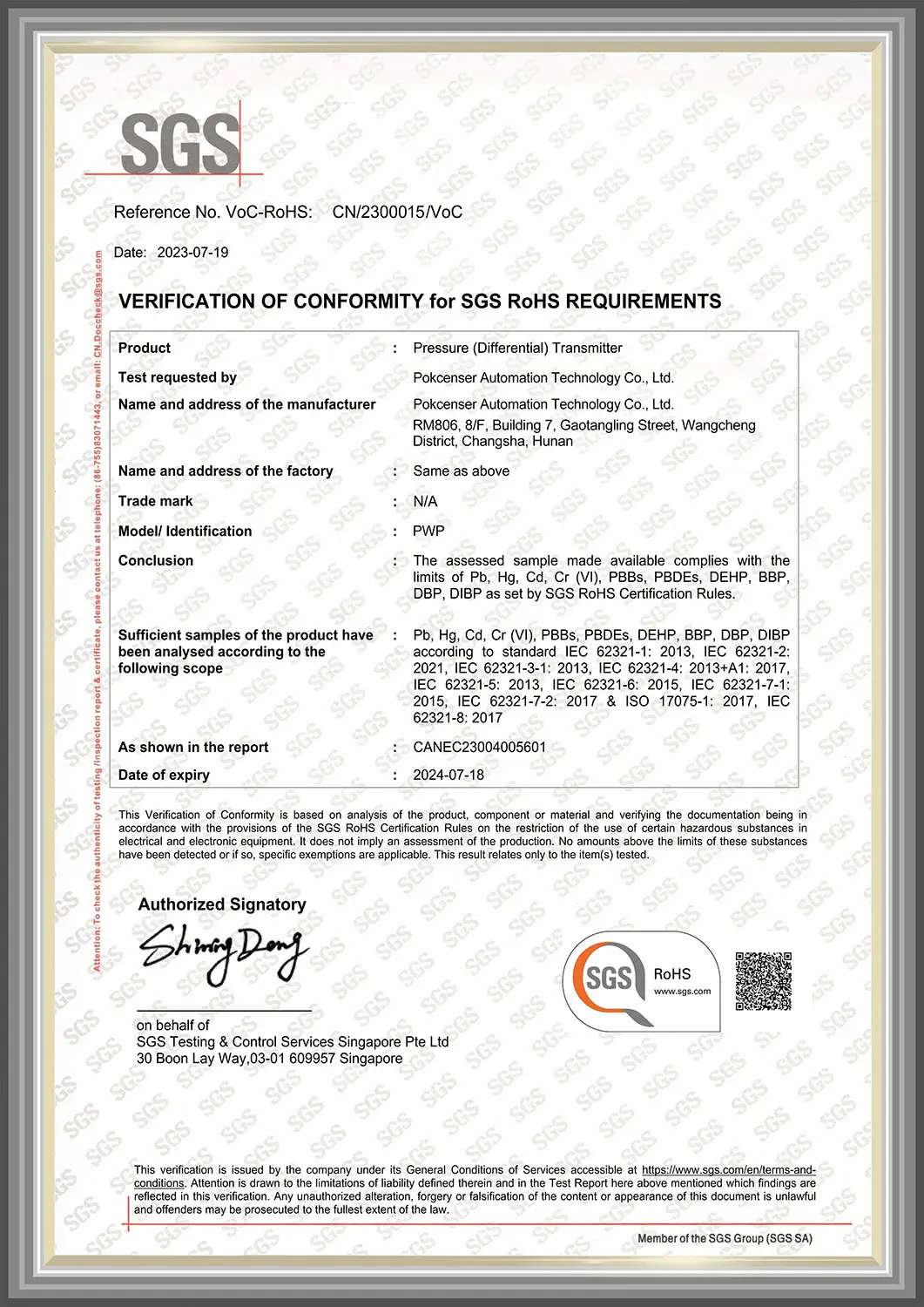
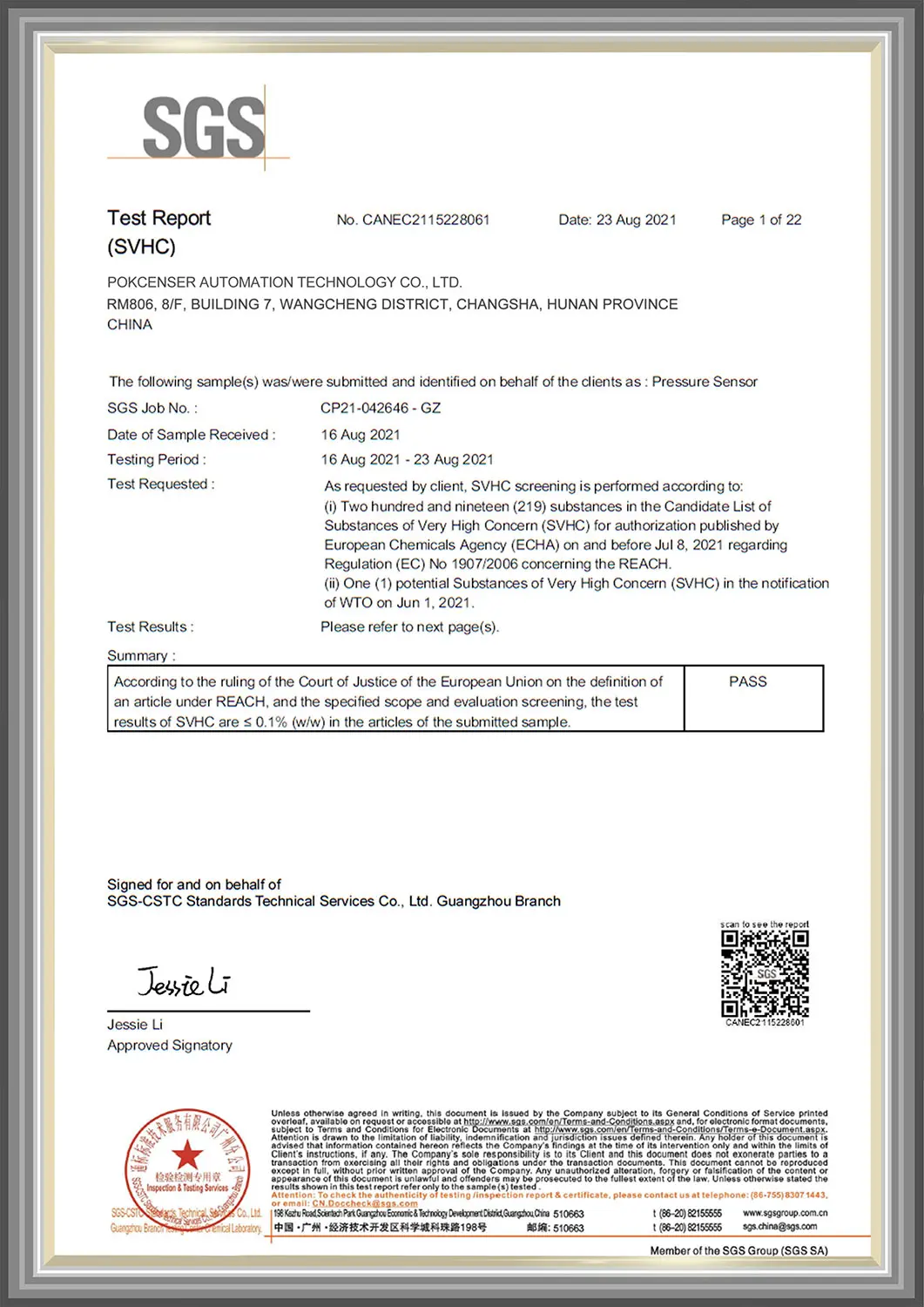
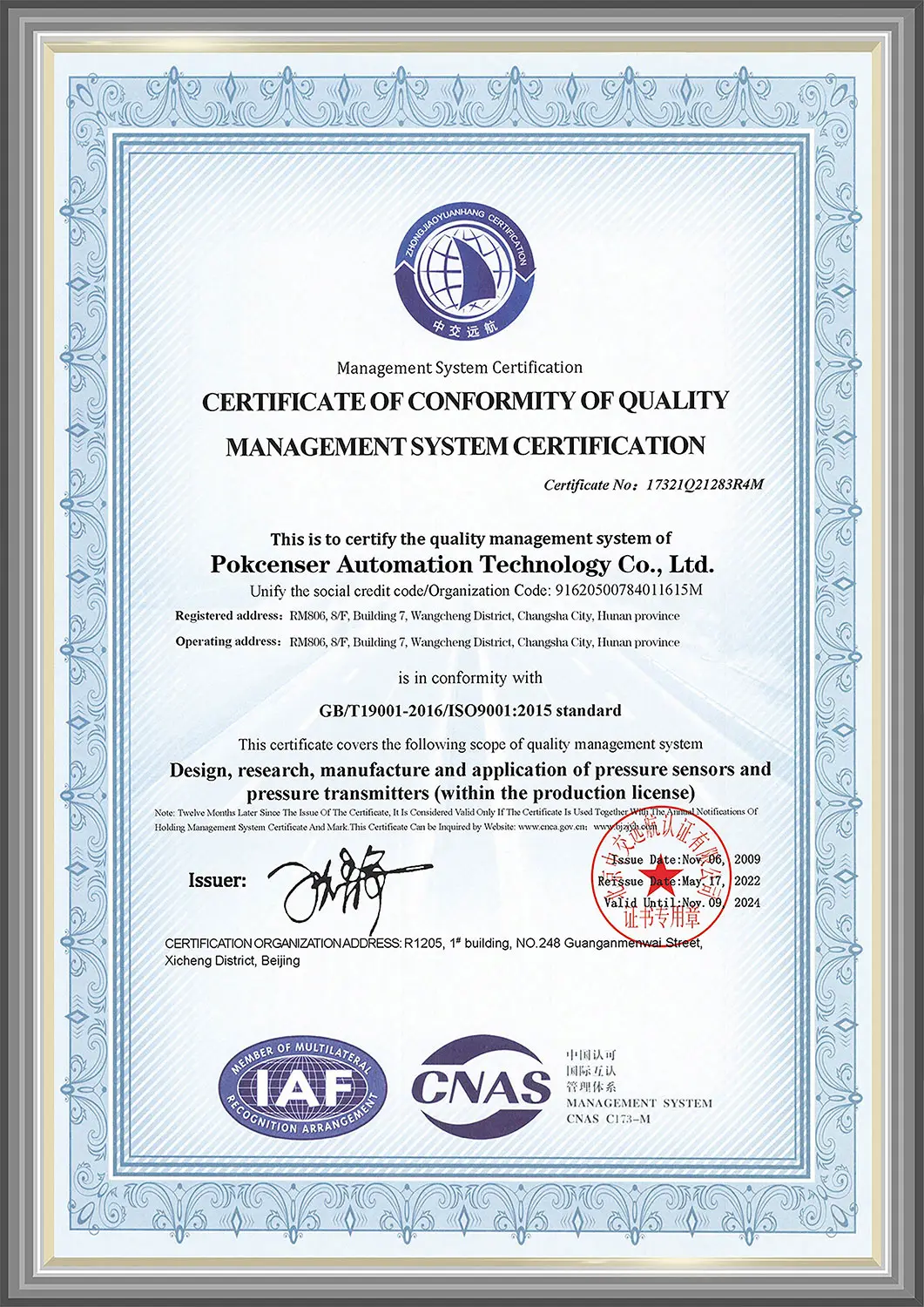
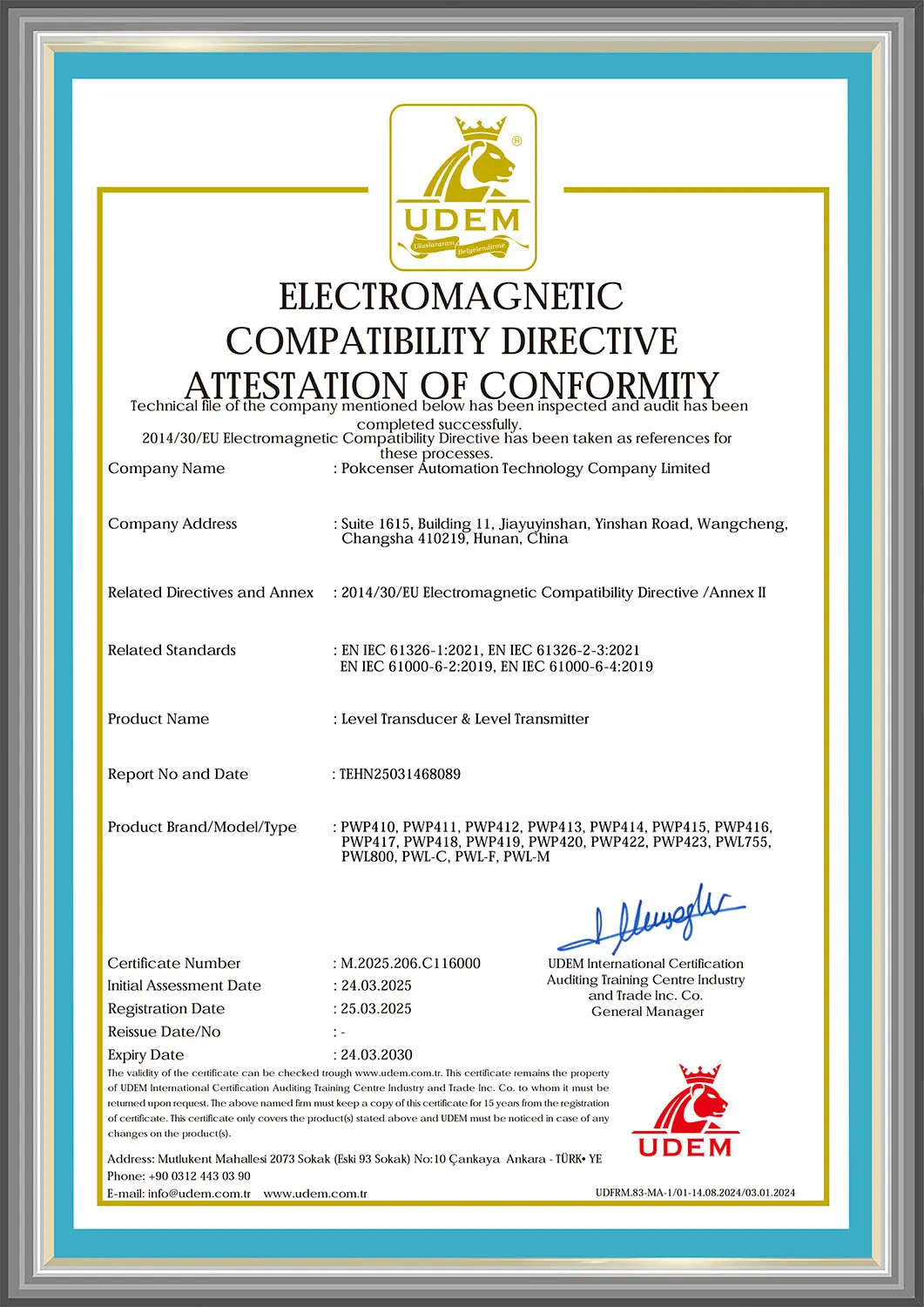
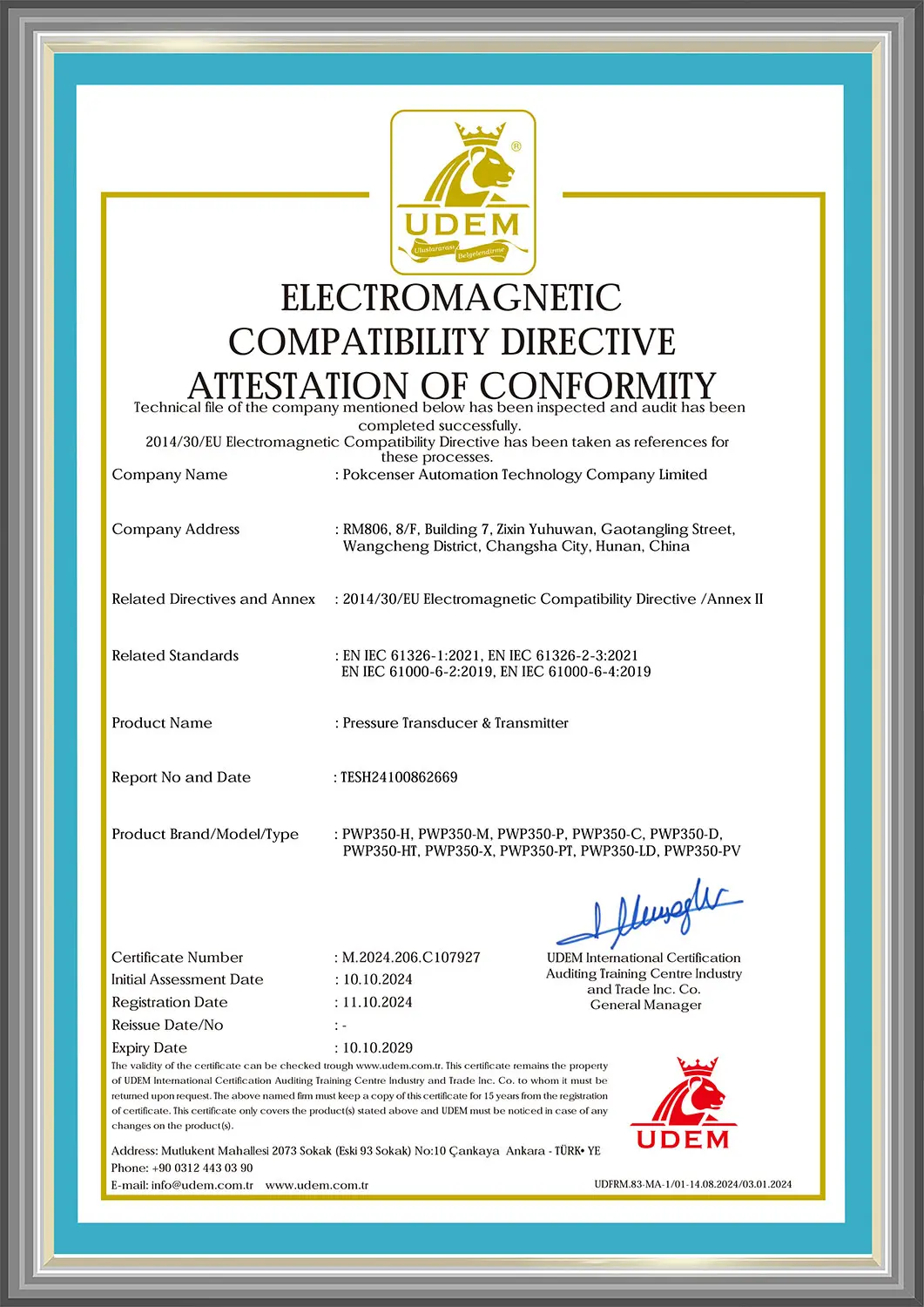
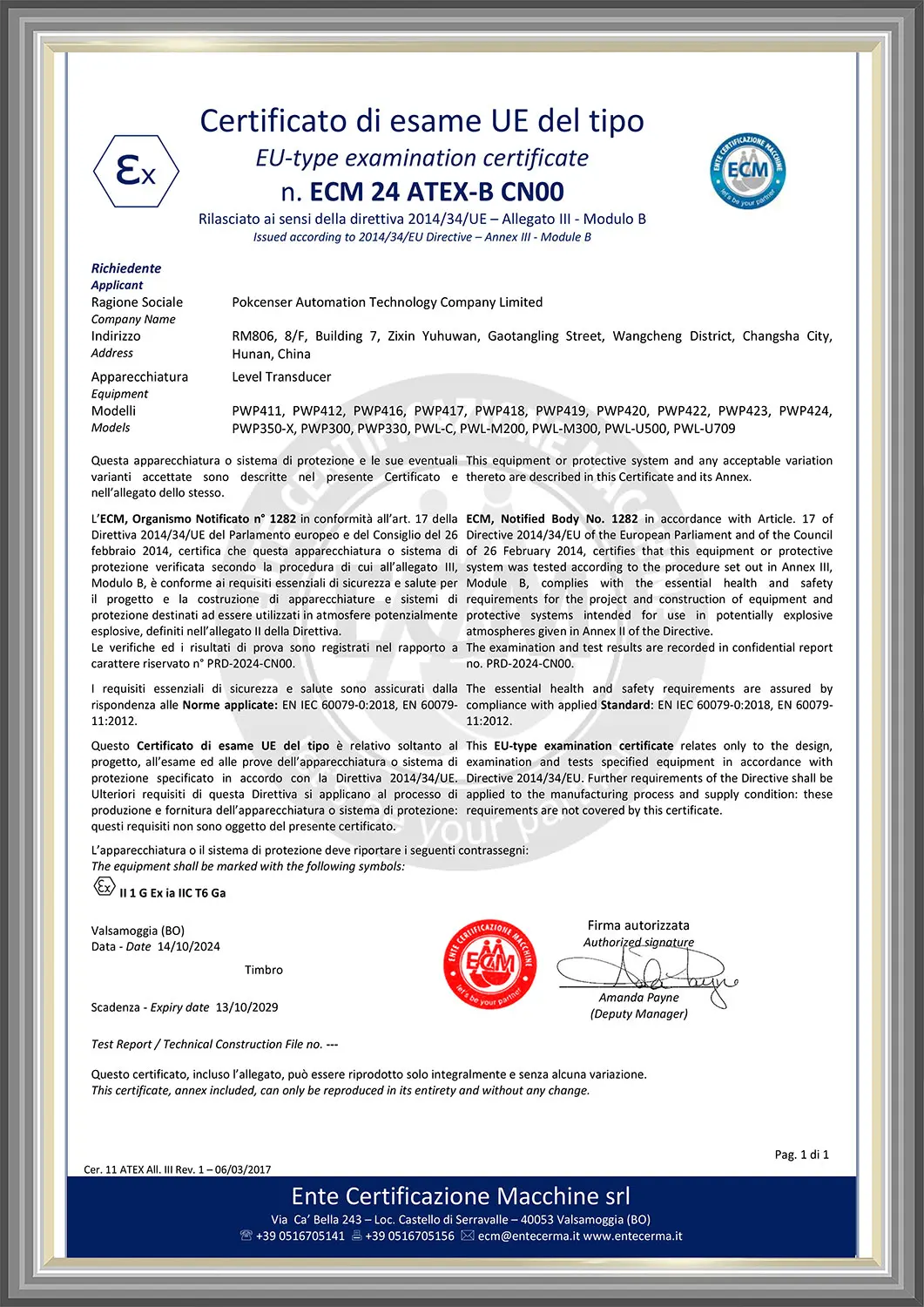
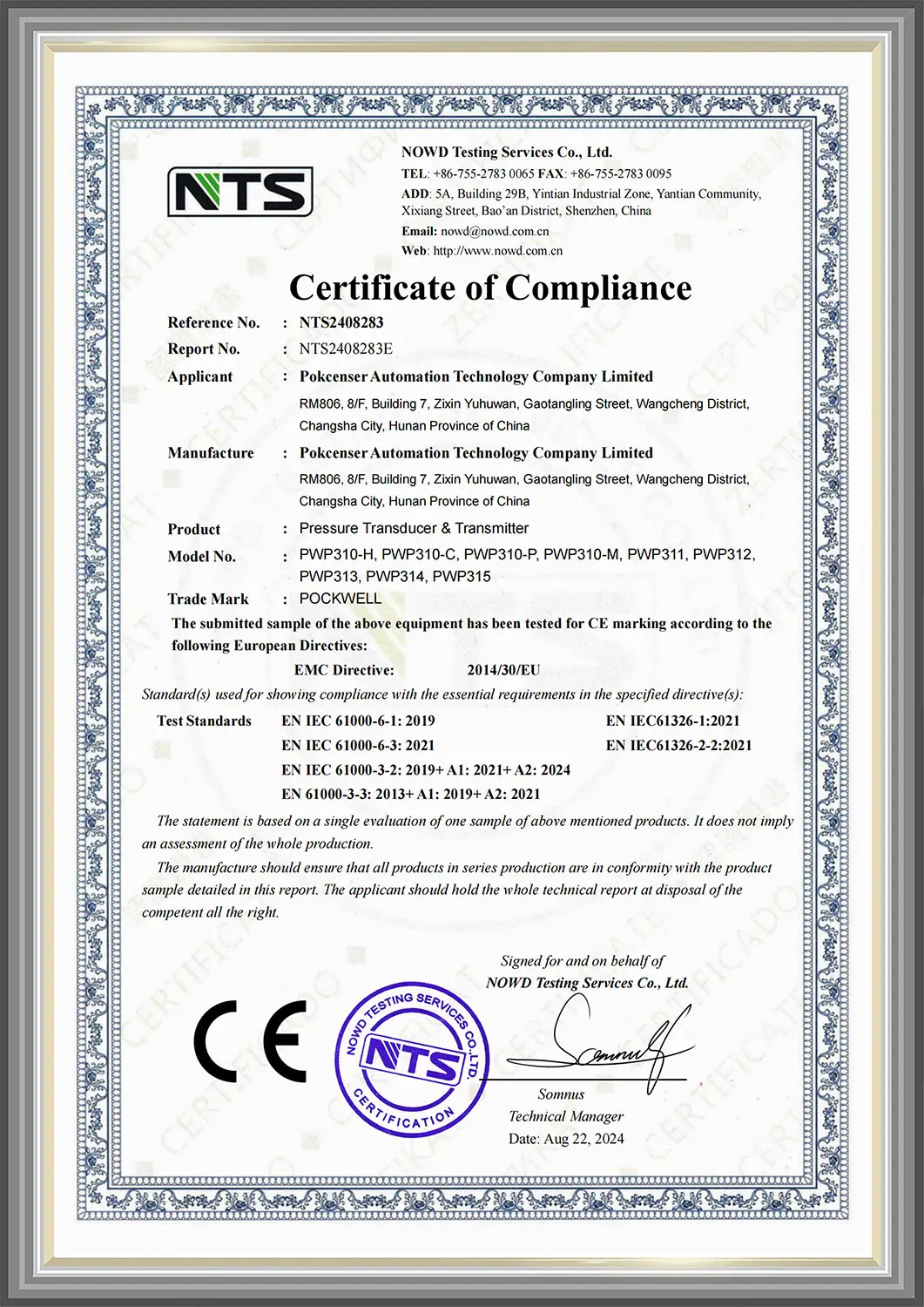
Pokcenser Automation ha sido aprobado por SGS, TUV, ISO y ha obtenido más de 15 certificados de calidad CE, ATEX, FCC, RoHS, etc.

Logotipo del cliente

Casos de éxito

Los productos y soluciones de Pokcenser se utilizan ampliamente en los sectores del petróleo y el gas, el agua y las aguas residuales, la química y la petroquímica, la alimentación y otros sectores en más de 109 países. Seguiremos esforzándonos por ser un socio de confianza y ofrecer soluciones fiables en todos los sectores.

Logotipo del cliente

Comunicado de prensa

Novedades en Automatización Pokcenser

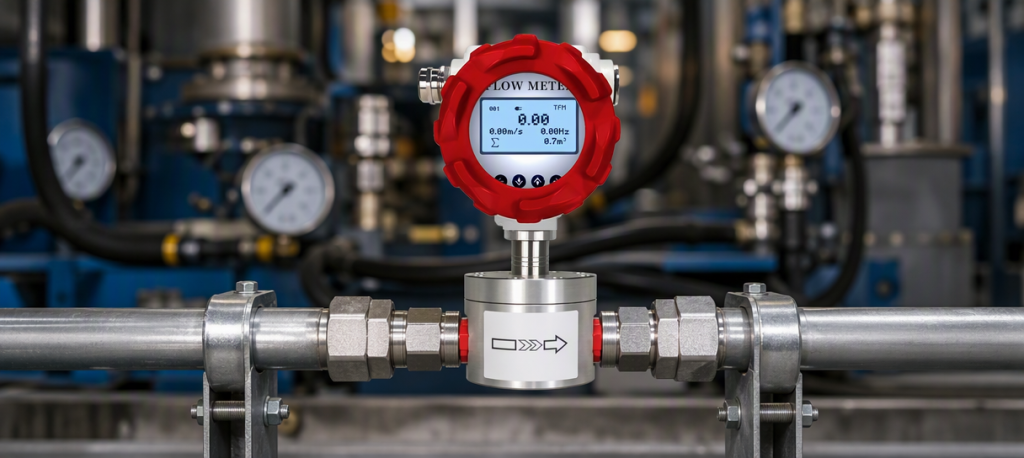
Gear Flow Meters: Working Principle, Applications & Selection Guide

When a process involves thick, viscous liquids — hydraulic oil, lube oil, fuel oil, syrups, or polymer additives — most flow meter technologies struggle. Velocity-based meters such as turbine and vortex designs assume a clean, well-behaved flow profile, which high-viscosity fluids simply do not provide. This is where the gear flow meter earns its place: it is a positive displacement (PD) meter that physically traps and counts fixed volumes of liquid, making it the natural choice for high-viscosity metering across hydraulics, petroleum, chemicals, and pharmaceuticals. This guide explains how gear flow meters work, where they perform best, where they do...

agosto 18, 2026
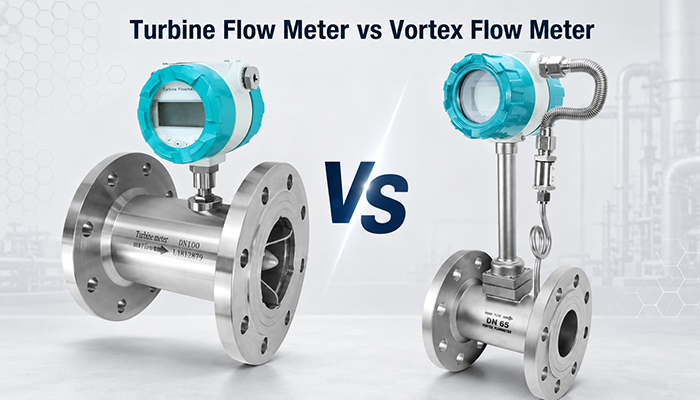
Turbine vs Vortex Flow Meters: How to Choose the Right Technology

Among the many flow meter technologies on the market, turbine and vortex flow meters are two of the most widely specified for clean liquids, gases, and steam. Both are velocity-based instruments, both produce frequency output that is proportional to flow, and both are often — incorrectly — treated as interchangeable. They are not. A turbine flow meter spins a rotor in the flowing medium; a vortex flow meter counts swirling eddies shed from a bluff body. That single difference drives everything else: what they can measure, how accurately, how much maintenance they need, and where they fail. Specifying the wrong...

agosto 14, 2026

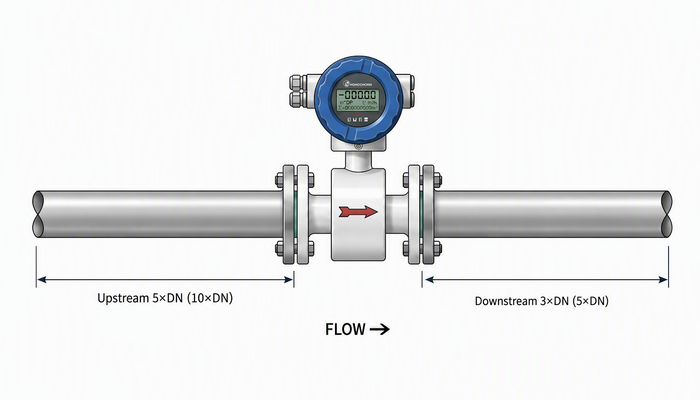
Electromagnetic Flow Meter Installation Guide: Straight Pipe, Grounding and Best Practices

An electromagnetic flow meter — also known as a mag meter or magnetic flow meter — is one of the most accurate and reliable instruments for measuring the flow of conductive liquids. From water treatment facilities and breweries to milk processing plants and municipal drainage systems, mag meters deliver repeatable, maintenance-friendly measurement with no moving parts. However, the accuracy you get from a mag meter depends on far more than the instrument itself. Installation errors — a short straight pipe run, poor grounding, or the wrong mounting position — are responsible for a large share of the "unstable readings" and...

agosto 12, 2026
Pregunte a un experto WhatsApp
WeChat
TOP