About us

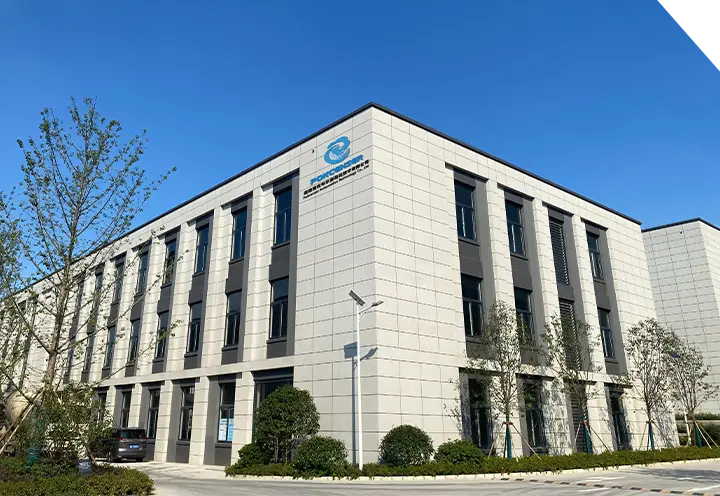
Pokcenser Automation is a high-tech sensor manufacturer integrated with R&D, production and sales. As an experienced and excellent solution provider for industrial process control instrumentation, Pokcenser have been played an important role for Industry 4.0.

Why Choose Pokcenser?

01

Strict Quality Management

48hr high and low temperature aging test, 48hr aging testing, 99.999% purity process gases, 10 power and auxiliary systems for constant temperature and pressure packaging workshop.

02

Product Solutions

We Are Direct. We Listen. We Are On Your Side. Timely and tailored solutions for your production and industrial control.

03

Fast Delivery

1~2 days delivery for stock items, 7 days for priority sample orders.

04

OEM&ODM Available

7+ years OEM/ODM experience for world famous brands.

About Pokcenser

Pokcenser Automation in Numbers

0+
YEARS OF EXPERIENCE
0+
SATISFIED CUSTOMERS
0+
COUNTRIES SERVED
0+
SOLUTIONS PROVIDED

Certificates

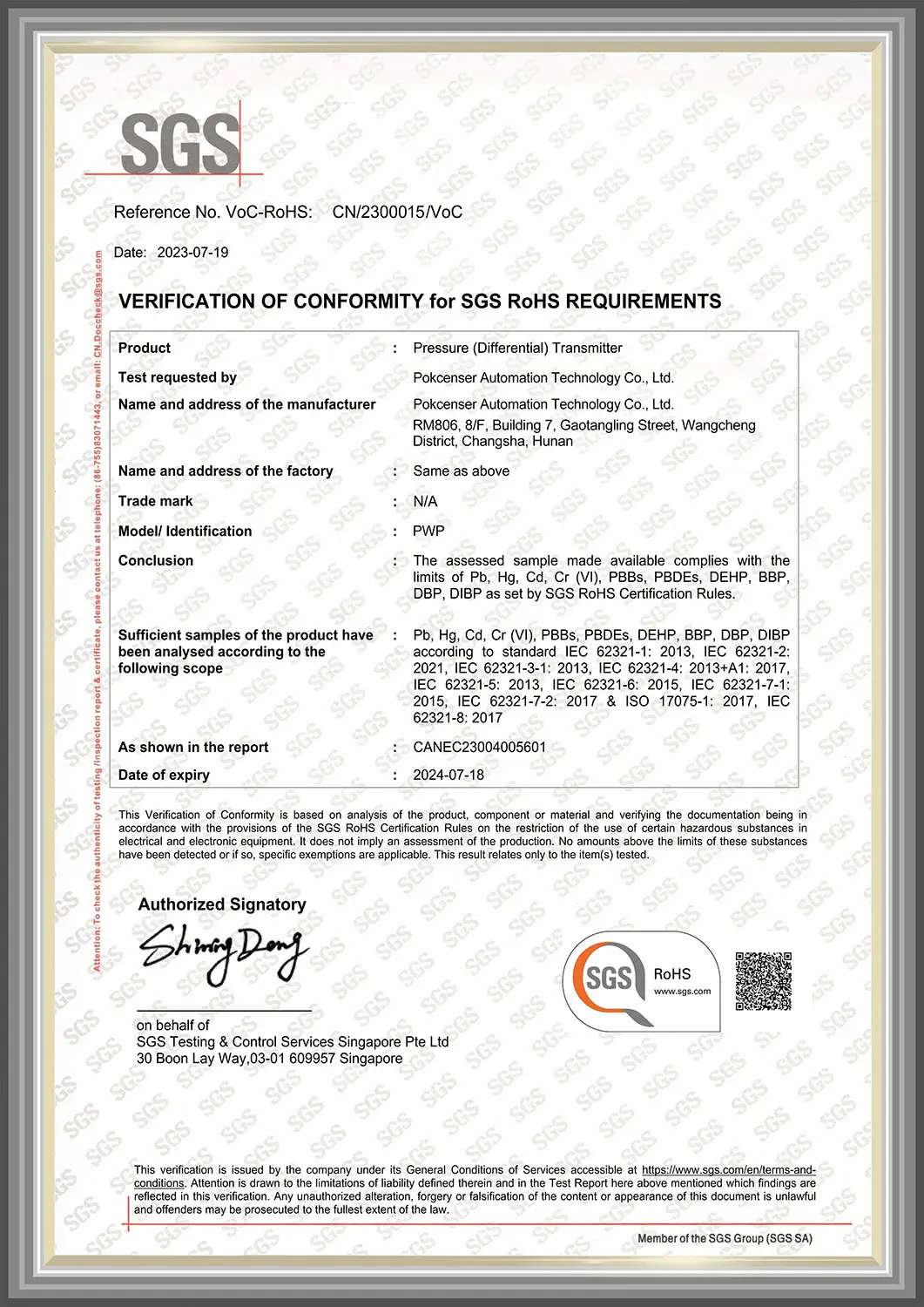
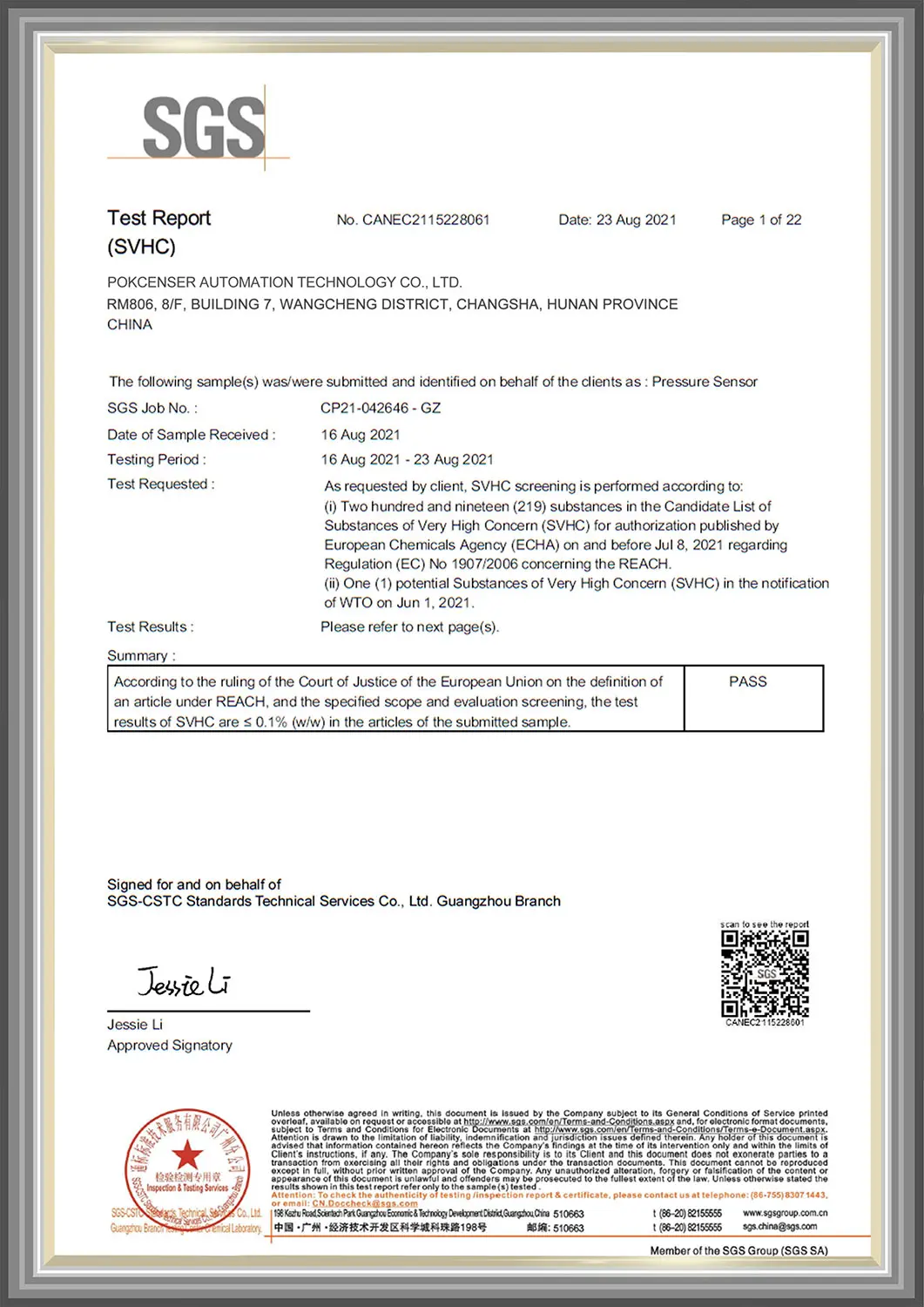
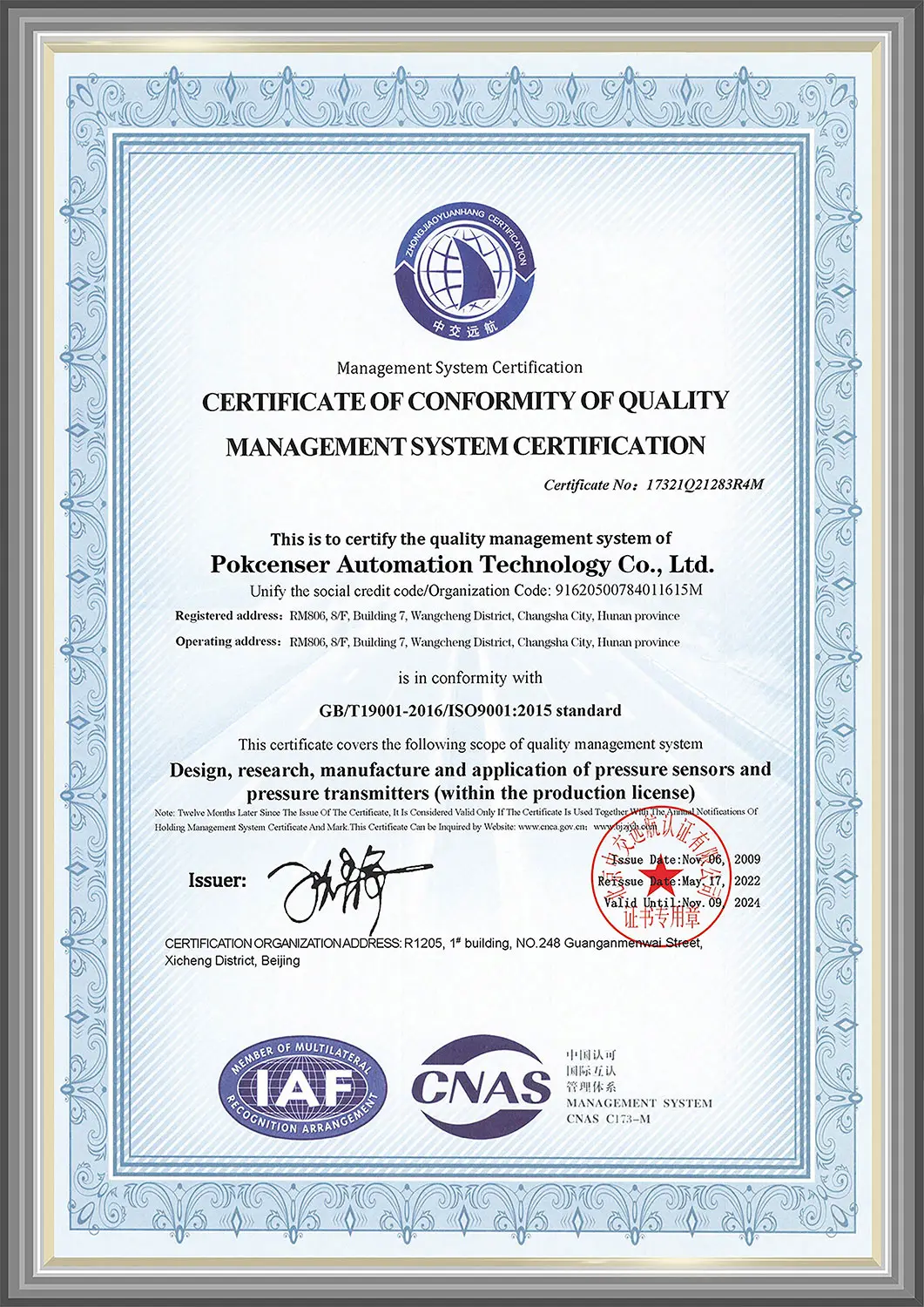
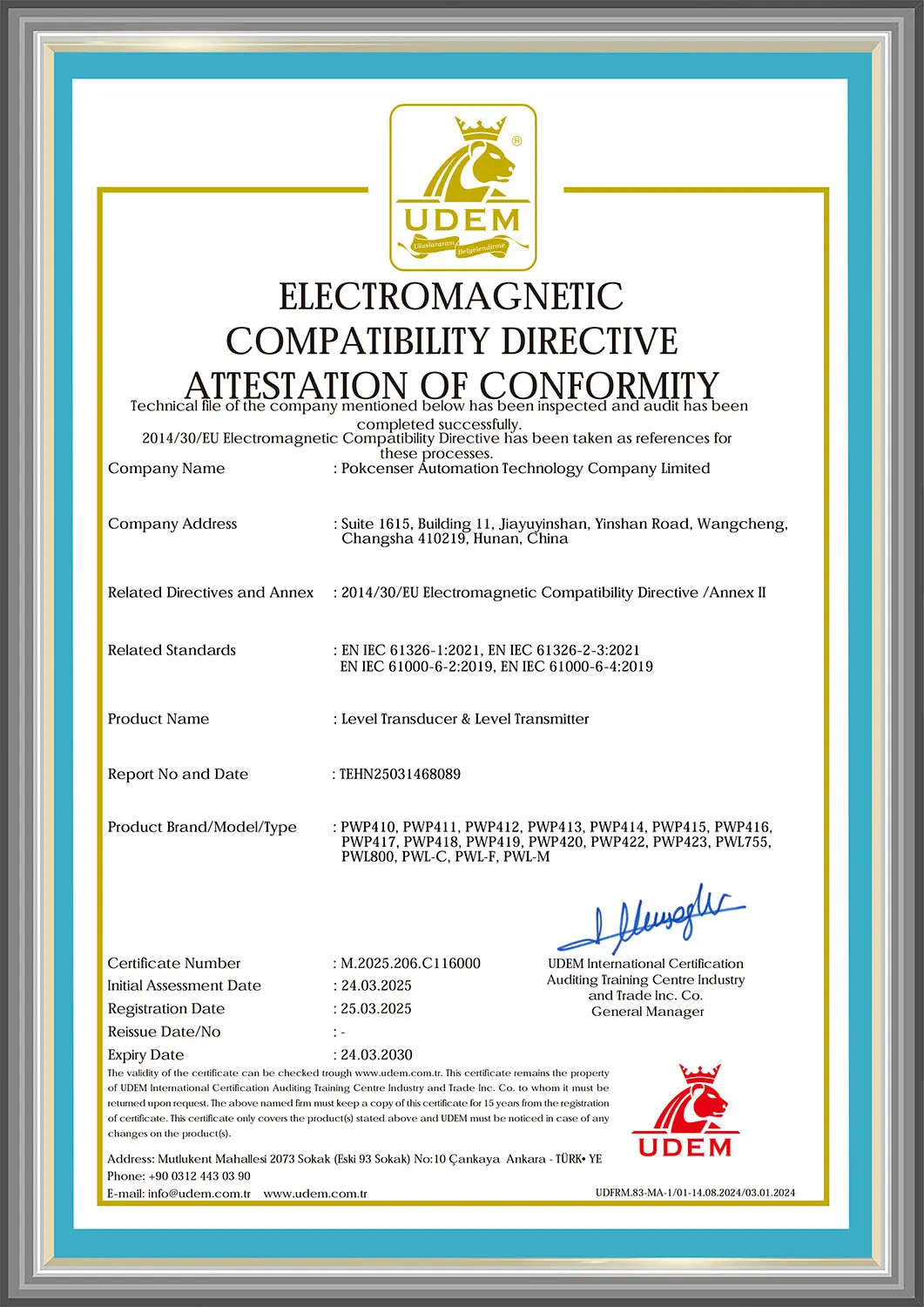
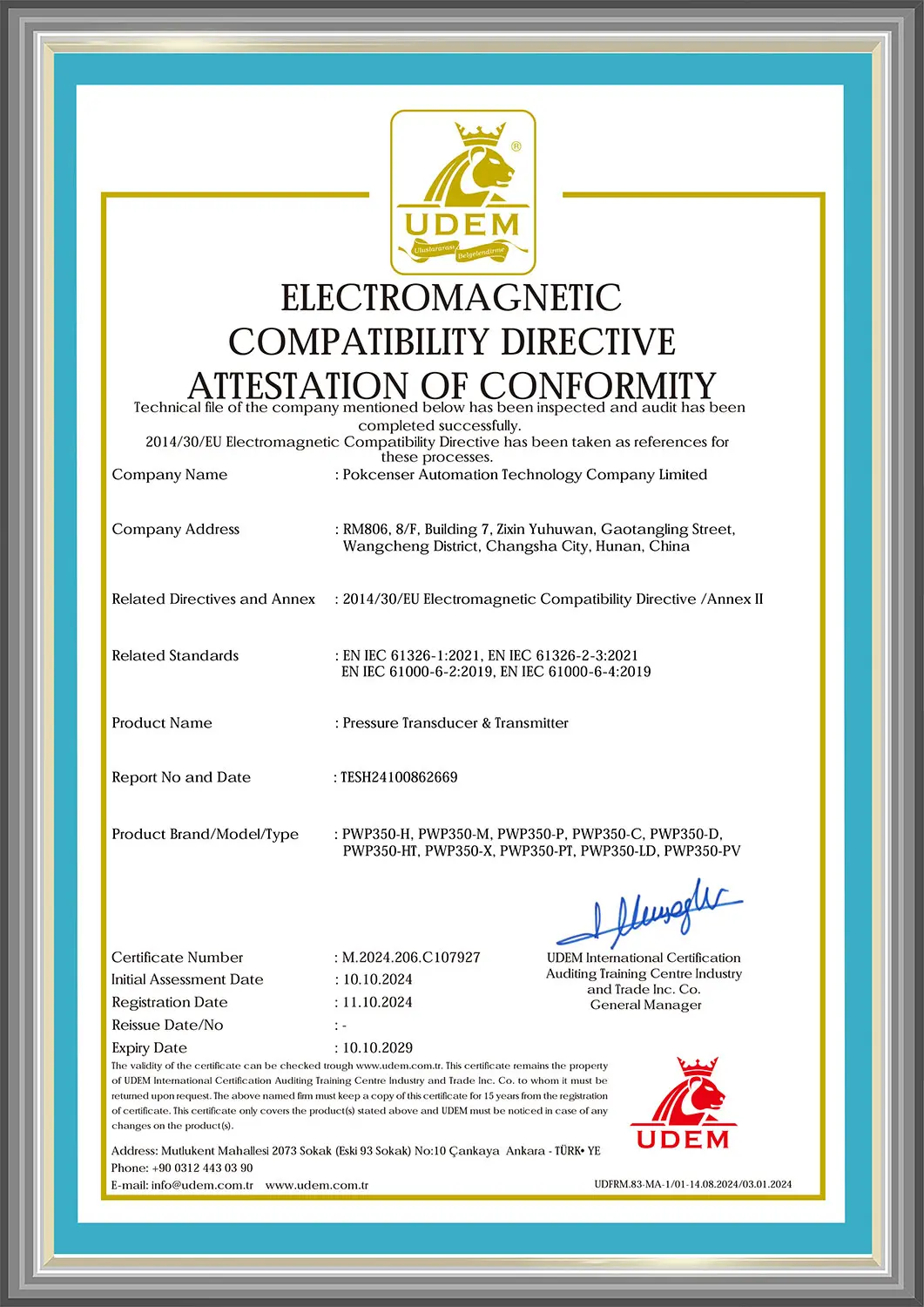
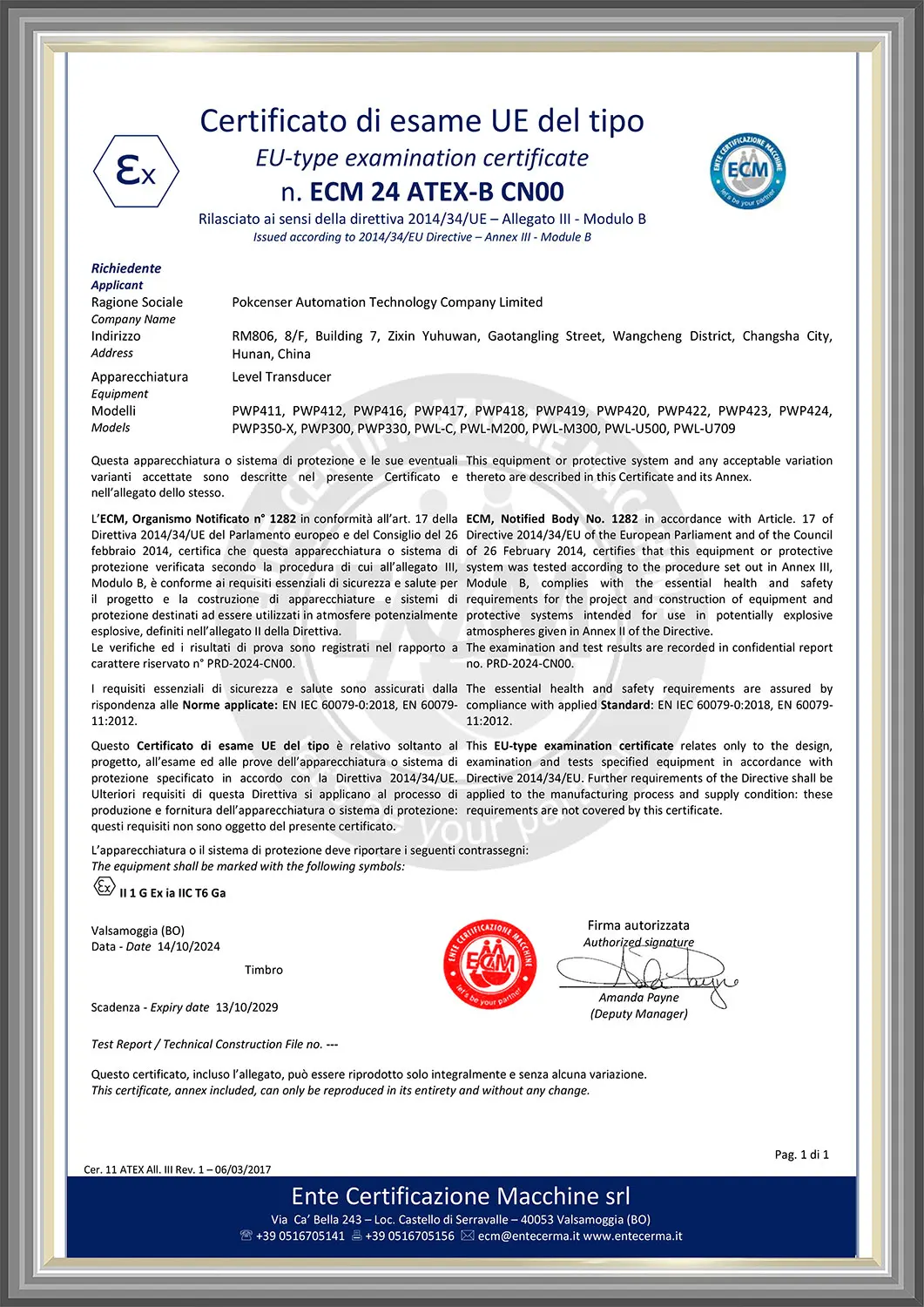
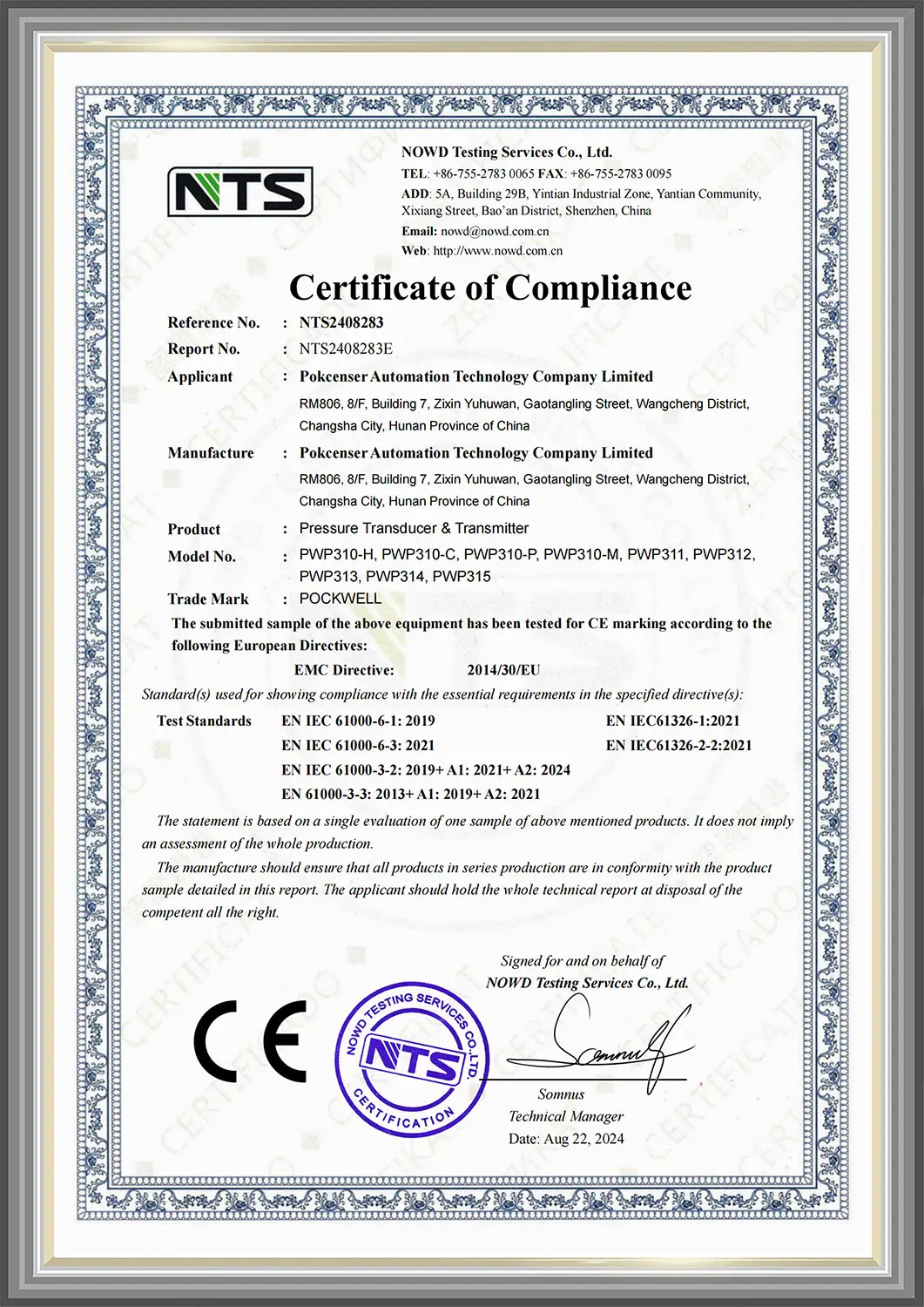
Pokcenser Automation have been approved by SGS, TUV, ISO and obtained 15+ quality certificates of CE, ATEX, FCC, RoHS etc

Client Logo
Client Logo
Client Logo
Client Logo
Client Logo
Client Logo
Client Logo

Success Stories

Pokcenser’s products and solutions are widely served in oil & gas, water & wastewater, chemical & petrochemical, food and other fields in 109+ countries. We will continue our effort to be a trusted partner and provide reliability solutions across all industries.

Client Logo
Client Logo
Client Logo
Client Logo
Client Logo
Client Logo
Client Logo
Client Logo
Client Logo
Client Logo

Press Release

See what is new here in Pokcenser Automation

Comprehensive Comparison of PVC, PUR, FEP, and PE Materials for Level Sensor Cables

Waterproof hydrostatic pressure level sensor IP68 is one of Pokcenser's best-selling products. They are widely used in urban water supply and drainage, petrochemicals, the power industry, and in the pharmaceutical and environmental protection industries. Simply put, they consist of a probe and a certain length of cable. The performance of these cables is largely determined by their sheath material. PVC, PUR, FEP, and PE are common choices, each with its own unique advantages and limitations. 1. PVC (Polyvinyl Chloride) Features: Low cost: Ideal for budget-sensitive projects. Chemical resistance: Tolerates acids and alkalis but degrades in oily environments. Flame retardancy: High...

26 March, 2026

Ultrasonic Underwater Distance Sensor: High-Precision Water Depth Measurement Solution

In modern industrial measurement applications, accurate and reliable underwater distance measurement is essential for industries such as environmental monitoring, marine engineering, and infrastructure inspection. The ultrasonic underwater distance sensor has become a preferred solution due to its long-range, high precision, and adaptability to harsh environments. The PWL-U80 Ultrasonic Underwater Distance Sensor is designed to deliver stable and accurate distance measurement in liquids and underwater environments, making it ideal for a wide range of freshwater, seawater applications. How Ultrasonic Underwater Distance Sensors Work Ultrasonic underwater sensors operate based on the time-of-flight principle. The sensor emits ultrasonic waves, which travel through the medium (usually water),...

25 March, 2026

Submersible Hydrostatic Level Sensors: Accurate Liquid Level Measurement for Industrial Applications

Accurate liquid level measurement is essential in modern industrial processes to ensure safety, efficiency, and regulatory compliance. Submersible hydrostatic level sensors—also called immersion pressure transducers—offer precise monitoring of liquid levels in tanks, reservoirs, wells, and open channels. These sensors are designed to withstand harsh industrial environments, making them ideal for industries such as water and wastewater management, chemical processing, oil and gas, and environmental monitoring. What is a Submersible Hydrostatic Level Sensor? A submersible hydrostatic level sensor measures the hydrostatic pressure exerted by a liquid at a specific depth and converts it into an electrical signal proportional to the liquid level. Unlike...

24 March, 2026
Ask an Expert WhatsApp
WeChat
TOP