 Inglés
 Español
Vacuum Pressure Sensors: Industrial Precision & Process Control
Vacuum pressure sensors measure conditions below atmospheric pressure, and in process environments, that measurement often determines whether a batch succeeds or fails. I’ve watched operators troubleshoot packaging lines where a sensor drift of a few millibars meant rejected product for an entire shift. These instruments sit at the intersection of physics and practicality, translating invisible pressure differentials into actionable data. At Pokcenser Automation, our work with vacuum pressure sensors over the past decade has reinforced a simple truth: reliable measurement is the foundation of reliable production.
How Vacuum Pressure Sensors Function in Process Control
Vacuum pressure sensors detect and quantify pressure levels significantly lower than ambient atmospheric pressure. Semiconductor fabs, food packaging lines, and pharmaceutical production facilities all depend on maintaining specific vacuum environments. When these conditions drift, product quality suffers. Understanding how vacuum pressure sensors translate physical phenomena into electrical signals helps explain why sensor selection matters so much.
The operating principles vary considerably across sensor types. Pirani gauges measure thermal conductivity, which changes predictably with gas density. A heated filament loses heat faster in denser gas, and the sensor converts that thermal behavior into a pressure reading. Capacitance manometers take a different approach, detecting microscopic deflections in a thin diaphragm as pressure changes. The diaphragm forms one plate of a capacitor, and pressure-induced movement alters capacitance in ways that correlate precisely with vacuum levels. Ionization gauges work at much lower pressures, measuring the ion current generated when electrons collide with gas molecules. Each technology serves different vacuum ranges and responds differently to gas composition.
Pokcenser Automation has spent over 10 years developing industrial vacuum gauges that meet demanding performance requirements. Sensor accuracy and reliability aren’t abstract qualities in process control automation. They translate directly into consistent product quality and operational safety.
Matching Vacuum Pressure Sensors to Harsh Operating Conditions
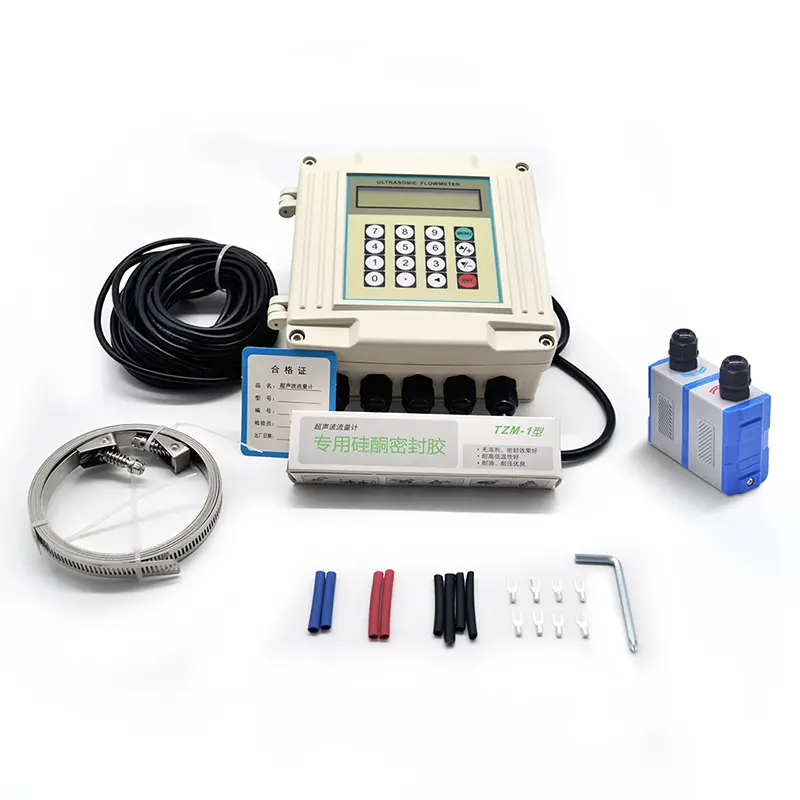
Selecting the right vacuum pressure sensor for demanding industrial settings involves more than checking a pressure range specification. The media being measured, operating temperatures, and hazardous area classifications all influence which sensor will actually perform reliably. A sensor that works perfectly in a clean laboratory environment may fail within weeks when exposed to corrosive process gases or temperature cycling.
Pokcenser Automation provides guidance on these application-specific factors. Our certified products, including CE and ATEX compliant sensors, address the reliability requirements of challenging industrial conditions.
What types of vacuum pressure sensors are best for extreme industrial environments?
Extreme industrial environments demand sensors engineered for resilience. Pirani vacuum gauges handle medium vacuum ranges well and tolerate reasonable contamination levels. Capacitance manometers deliver high accuracy across a broad pressure spectrum and resist corrosive media when fitted with appropriate diaphragm materials like Inconel or Hastelloy. Piezoelectric pressure sensors prove robust in rough vacuum applications where durability matters more than ultra-high precision.
Environments with explosive gases or combustible dust require explosion-proof sensors carrying ATEX certifications. These sensors incorporate design features that prevent ignition sources from reaching the surrounding atmosphere. Pokcenser’s product range includes these specialized technologies, ensuring reliable performance where standard sensors would create unacceptable risks.
How do I select the correct vacuum sensor for my specific process control application?
Sensor selection follows a systematic evaluation. Start by defining the measurement range your process requires and the accuracy needed to maintain control. A packaging application might tolerate ±5% accuracy, while semiconductor processing might demand ±0.1% or better.
Next, evaluate the process media. Will the sensor contact corrosive gases, condensable vapors, or particulate-laden streams? Material compatibility determines sensor longevity. Operating temperature matters too. Some sensors drift significantly with temperature changes, while others incorporate compensation circuits that maintain accuracy across wide temperature ranges.
Consider the output signals your control system expects. Options include 4-20mA analog outputs, voltage signals, or digital protocols like Modbus RTU. Environmental ratings such as IP protection levels and hazardous area classifications must match installation conditions. Pokcenser’s application evaluation expertise helps clients navigate these choices, ensuring proper vacuum sensor calibration and integration for optimal performance.
For deeper insights into pressure measurement technologies, consider reading 《Sensores de presión piezoresistivos frente a sensores de presión cerámicos: Una comparación exhaustiva》.
Industrial Sectors That Depend on Vacuum Pressure Measurement
Vacuum pressure sensors serve applications far beyond laboratory settings. In oil and gas vacuum applications, these sensors monitor distillation columns and gas recovery systems where pressure deviations can compromise product purity or create safety hazards. Operators rely on accurate vacuum measurement to optimize separation efficiency and maintain safe operating envelopes.
The food processing vacuum industry uses these sensors extensively in packaging operations and freeze-drying systems. Vacuum packaging extends shelf life by removing oxygen that promotes spoilage. Freeze-drying preserves product quality by sublimating ice under controlled vacuum conditions. Both processes require consistent vacuum levels that only reliable sensors can provide.
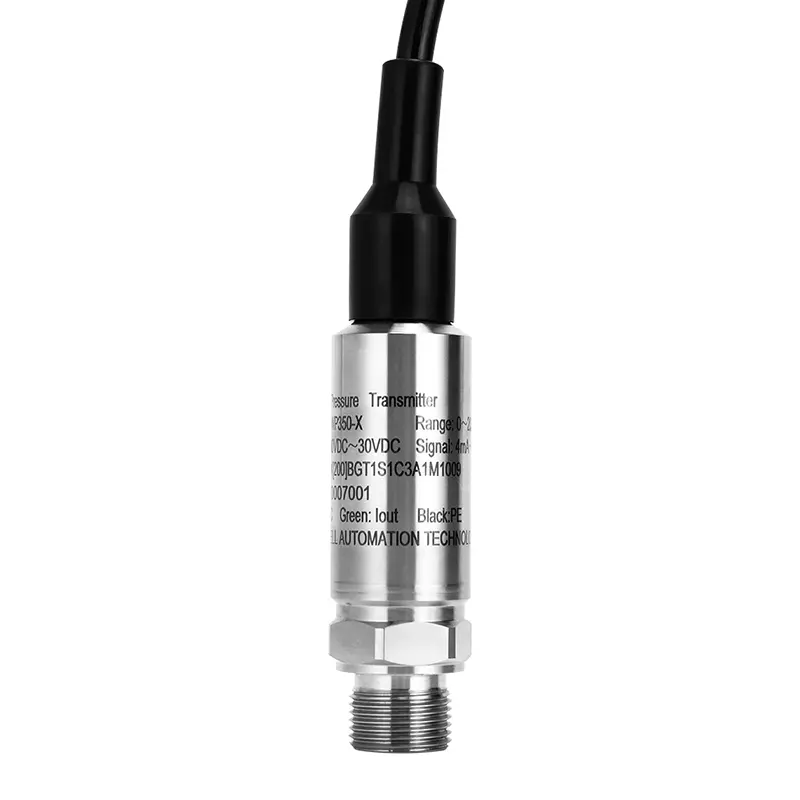
Chemical industry pressure monitoring keeps reactors operating within safe boundaries. Vacuum conditions influence reaction rates, product yields, and safety margins. Pressure fluctuations in vacuum distillation or material handling systems can trigger emergency shutdowns or, worse, create dangerous conditions.
Wastewater vacuum systems depend on accurate pressure measurement for sludge dewatering and odor control. Pharmaceutical vacuum monitoring maintains the sterile environments and precise drying conditions that regulatory agencies require. The semiconductor vacuum control sector pushes measurement technology to its limits, requiring ultra-high vacuum measurements for thin-film deposition and etching processes where even trace gas contamination affects device performance.
Pokcenser Automation has provided over 150,000 solutions to clients in more than 100 countries. That breadth of experience reflects the versatility vacuum pressure sensors require across diverse industrial applications.
Getting Installation, Calibration, and Maintenance Right
A vacuum pressure sensor only performs as well as its installation allows. Proper sensor installation means following manufacturer guidelines for positioning, sealing, and electrical connections. Mounting orientation affects some sensor types more than others. Pirani gauges, for instance, can exhibit convection errors if mounted horizontally in certain configurations. Seal integrity prevents leaks that would corrupt measurements.
Routine vacuum sensor calibration procedures verify measurement accuracy against known standards. All sensors drift over time. Thermal cycling, vibration, and exposure to process media gradually shift calibration. Regular calibration catches this drift before it affects process control decisions. Calibration intervals depend on sensor type, application criticality, and historical drift rates.
Preventative maintenance sensors programs schedule inspections, cleaning, and component replacement before failures occur. Sensor contamination from process deposits or condensation degrades measurement accuracy. Signal degradation from cable damage or connector corrosion creates intermittent problems that frustrate troubleshooting efforts.
Remote monitoring solutions enhance maintenance programs by providing real-time diagnostic data. Trending sensor outputs and comparing them against expected values enables proactive troubleshooting vacuum sensors before problems affect production. Pokcenser Automation supports clients from initial application evaluation through long-term sensor reliability, ensuring consistent and dependable performance throughout operational life.
Meeting Compliance Requirements for Vacuum Measurement
Industrial vacuum pressure measurement operates within a framework of regulatory standards and quality requirements. Certifications confirm that sensors meet specific safety, environmental, and performance criteria. CE marking pressure sensors indicate compliance with European health, safety, and environmental protection directives. This marking represents a manufacturer’s declaration that the product meets applicable requirements.
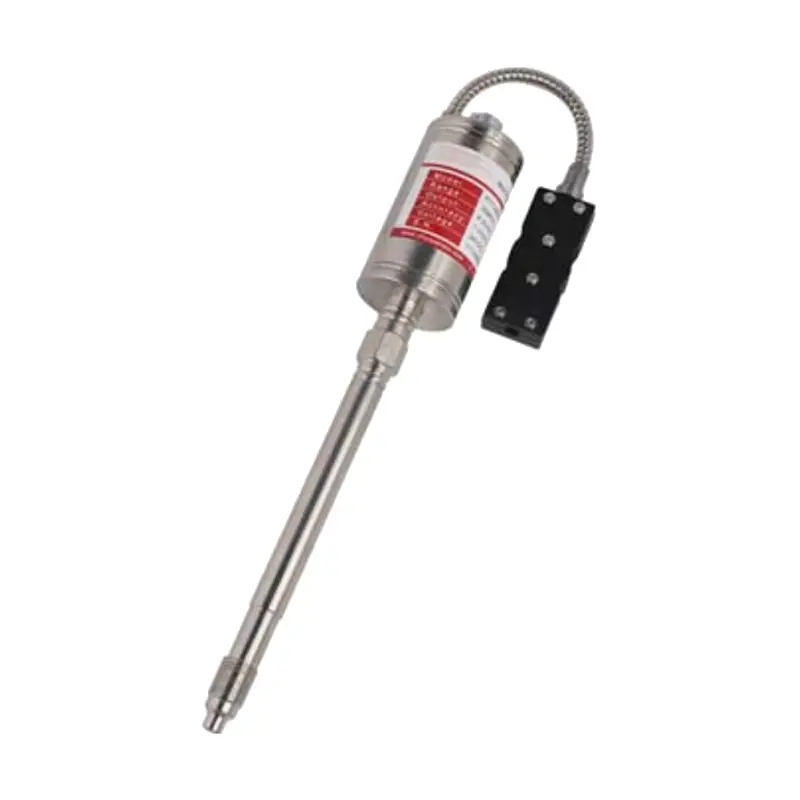
ISO compliant manufacturing processes ensure consistent product quality through documented procedures and quality management systems. These standards address everything from design controls to production testing and traceability.
RoHS certified sensors restrict hazardous substances including lead, mercury, and cadmium. Beyond regulatory compliance, RoHS certification reflects environmental responsibility in product design. ATEX certified sensors meet stringent requirements for safe operation in potentially explosive atmospheres. These certifications require specific design features, testing, and documentation that standard sensors don’t undergo.
These industrial quality standards and sensor traceability measures reinforce the commitment to delivering high-quality vacuum pressure sensor technology. Rigorous testing and quality control procedures ensure dependable performance in critical applications where sensor failure carries significant consequences.
Where Vacuum Pressure Sensing Technology Is Heading
Industrial vacuum pressure sensing continues evolving as demands for efficiency and connectivity increase. IoT pressure sensors enable seamless data transfer and remote control, connecting field instruments to enterprise systems and cloud platforms. This connectivity transforms isolated measurements into networked data streams that support broader operational intelligence.
Wireless vacuum monitoring solutions reduce installation complexity by eliminating signal wiring. In facilities where running cables is expensive or impractical, wireless sensors expand measurement coverage without major infrastructure investment. Battery life and signal reliability have improved enough that wireless sensors now serve many applications that previously required wired instruments.
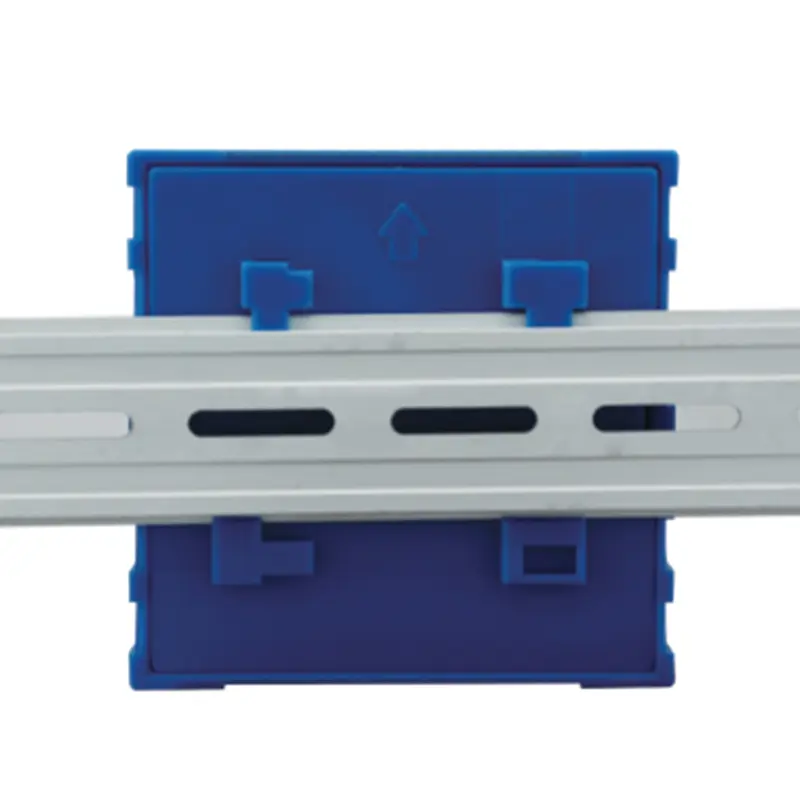
Smart sensor technology incorporates embedded intelligence for self-diagnosis and adaptive measurement. These sensors can detect their own calibration drift, compensate for environmental factors, and alert operators to developing problems. This embedded intelligence improves operational autonomy and reduces dependence on manual inspection.
Predictive maintenance sensors leverage data analytics to forecast potential failures before they occur. By analyzing trends in sensor behavior, these systems identify degradation patterns that precede failure. This capability minimizes unplanned downtime and optimizes maintenance scheduling. These advancements align with Industry 4.0 automation principles, where interconnected systems and real-time data drive operational excellence.
Pokcenser Automation continues exploring these technologies to deliver long-term value and advanced solutions to clients worldwide.
Frequently Asked Questions About Industrial Vacuum Pressure Sensors
What are the common challenges in vacuum pressure measurement and how can they be overcome?
Sensor contamination tops the list of challenges. Process deposits, condensation, and particulate accumulation degrade measurement accuracy over time. Temperature fluctuations cause drift in sensors without adequate compensation. Electromagnetic interference from motors, drives, and welding equipment can corrupt signals, particularly in analog systems.
Selecting the correct measurement range matters more than many users realize. A sensor operating at the extreme ends of its range typically delivers worse accuracy than one operating in its optimal region. Pokcenser’s industrial vacuum pressure sensors incorporate robust materials, temperature compensation, and shielded electronics to address these issues. Proper sensor selection, regular calibration, and adherence to installation guidelines remain essential for accurate, reliable vacuum measurement in demanding environments.
How does Pokcenser ensure the accuracy and reliability of its vacuum pressure sensors?
Accuracy and reliability result from disciplined processes throughout design and manufacturing. ISO-certified manufacturing processes establish consistent production quality. Advanced calibration techniques using traceable reference standards verify that each sensor meets its accuracy specification. Comprehensive quality control catches problems before sensors ship.
Sensors undergo rigorous testing to meet CE, ATEX, and RoHS standards. This testing verifies performance under the conditions sensors will actually encounter in industrial service. Over 10 years of experience and dedicated R&D effort ensure products consistently deliver precise and dependable vacuum measurement solutions for critical process control automation.
Can Pokcenser provide custom OEM/ODM vacuum pressure sensor solutions for unique industrial requirements?
Pokcenser Automation specializes in custom OEM and ODM vacuum pressure sensor solutions. Engineering teams work closely with clients to understand unique requirements, whether those involve specific measurement ranges, particular output signals, specialized material compatibility, or hazardous area certifications.
Extensive manufacturing capabilities and deep industry knowledge enable the design and production of tailored vacuum sensors that integrate seamlessly into specific process control automation systems. Custom solutions address applications where standard products fall short, ensuring optimal performance and long-term value.
Partner with Pokcenser for Advanced Industrial Sensing Solutions
Precision and reliability in industrial processes start with the right measurement technology. Pokcenser Automation Technology Company Limited brings over a decade of expertise to vacuum pressure sensor applications. Our CE, ATEX, ISO, and RoHS certified products meet the compliance requirements critical applications demand. A dedicated 6-person pre-sales and after-sales team provides tailored vacuum pressure sensor solutions that drive efficiency and support long-term operational excellence.
From initial application evaluation through seamless integration and ongoing support, we deliver a one-stop experience designed for lasting partnerships. Contact us to discuss your specific industrial vacuum measurement needs and discover how Pokcenser can contribute to your success worldwide.
Email: en**@*******er.com | Phone: +86 181 7515 5326

