 English
 Spanish
Choosing Level Sensors for High-Viscosity Liquids
Sticky fluids have a way of humbling even seasoned engineers, I once watched molten chocolate turn a float into a paperweight before a batch cycle even began. From heavy crude to confectionery kettles, we run into the same story, sensors foul, response times drag, and process control gets jumpy. What follows pulls together the headaches you can expect with viscous media, the level technologies that actually cope, how we select the right instrument for the job, and the installation and upkeep habits that keep readings tight. Pick the right sensor and you protect throughput and product quality, pick the wrong one and you inherit maintenance and downtime.
Understanding the Unique Challenges of High-Viscosity Liquid Level Measurement
High-viscosity liquids pose significant hurdles for accurate and reliable level measurement. Their inherent properties directly impact sensor performance and longevity. Understanding these difficulties is the first step toward effective solutions.
1. The inherent difficulties in measuring viscous fluids
Viscous fluids resist flow and generate internal friction, so standard devices struggle to predict their behavior. Slow movement delays the sensor response, which undermines real-time control. These fluids also cling to surfaces and slowly coat sensing faces, a recipe for false presence indications and creeping error that chips away at operational integrity.
2. Common problems caused by high viscosity on traditional sensors
With mechanical sensors such as floats, the fluid’s resistance can slow the mechanism or lock it in place, so readings wander and you invite overflow or dry-run events. Contact devices like capacitive probes collect buildup, the coating shifts electrical properties, causing drift and forcing frequent cleaning or recalibration. Pressure-based sensors are sturdier in many cases, yet very viscous media can delay pressure equalization at the diaphragm, which shows up as lagging or skewed hydrostatic readings.
3. Impact of temperature and pressure on viscous liquid properties
Temperature and pressure reshape how viscous liquids behave. Warmer conditions usually lower viscosity, flow improves, and measurement tends to stabilize. Colder conditions push viscosity up, which amplifies every sensing challenge. Pressure changes alter density, a key variable for hydrostatic methods. Solid temperature and pressure compensation keeps measurements on track when process conditions are moving around.
Exploring Effective Level Sensor Technologies for Viscous Applications
To overcome the challenges of high-viscosity liquids, specialized level sensor technologies offer robust and reliable solutions. Each technology leverages different physical principles to minimize the impact of fluid properties on measurement accuracy.
1. How ultrasonic level sensors adapt to viscous liquids
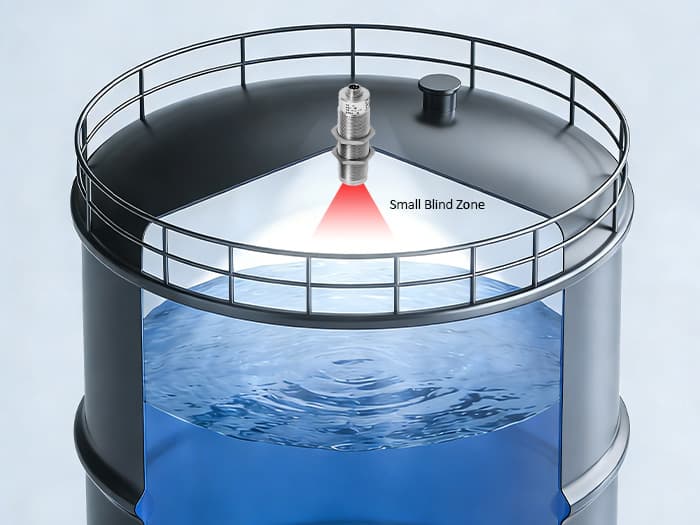
Ultrasonic sensors determine level by sending sound waves and timing the returning echo. For viscous media, non-contact ultrasonic is often the smarter choice, it avoids wetting the sensor face so you sidestep fouling and buildup. Very dense or turbulent viscous surfaces can absorb or scatter sound, which trims accuracy, so careful mounting and calibration matter.
For applications requiring precise, short-range measurement in small tanks, the PWL-U201 Small Range Ultrasonic Level Transmitter and PWL-U202 Small Blind Spot Ultrasonic Level Transmitter offer high accuracy and minimal blind zones. These devices feature digital filtering and echo recognition, along with automatic temperature compensation, ensuring stable readings even in demanding environments.
2. The role of radar and guided wave radar in challenging environments
Radar level sensors utilize electromagnetic waves to determine liquid levels. They perform well with viscous applications because changes in density, viscosity, or foam have little effect on the signal. Non-contact radar mounts above the liquid, so fouling is not a concern. Guided wave radar places a probe into the liquid, and the guided signal keeps losses low even when the fluid sticks to the probe. GWR suits liquids with changing dielectric constants or heavy buildup, delivering robust performance and high accuracy where other methods struggle.
If you’re interested, check 《Radar vs. Ultrasonic Level Sensors: A Selection Guide》.
3. Hydrostatic level sensors for reliable measurement in tanks
Hydrostatic level sensors read the pressure from the liquid column, which maps directly to level. Submersible versions place the sensing element in the fluid. With viscous liquids, keep the diaphragm free of buildup so the reading reflects the process, flush-mount faces or self-cleaning designs help. Because output scales with density, any density change in viscous media needs compensation to stay accurate.
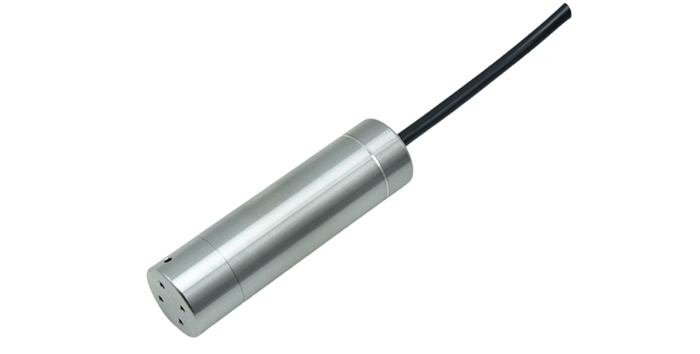
Pokcenser Automation offers the PWP412-T3 SDI-12 Hydrostatic Water Level and Temperature Transmitter, an IP68 submersible hydrostatic sensor constructed from all-stainless-steel. This design ensures anti-corrosion and anti-leakage properties, providing long-term stability in harsh environments. It also includes optional temperature measurement for compensation, which is vital for accurate readings in viscous liquids where density changes with temperature.
4. Capacitance and vibratory sensors: when and where they excel
Capacitance level sensors read changes in electrical capacitance as level moves. In viscous service, performance hinges on the liquid’s dielectric constant and conductivity, and probe coating can swing the result. Specialized coatings or self-tuning electronics can blunt this effect. Capacitive level sensors are generally used for point level detection or continuous measurement in less aggressive viscous fluids.
Vibratory level sensors, or tuning forks, vibrate at a set frequency, then switch when immersed as the frequency shifts. They handle sticky fluids and slurries well, the vibration sheds buildup and avoids false trips. For point detection in coating, aerated, or gummy media, they are a reliable, low-drama choice.
5. Considerations for sensor material and coating in corrosive viscous media
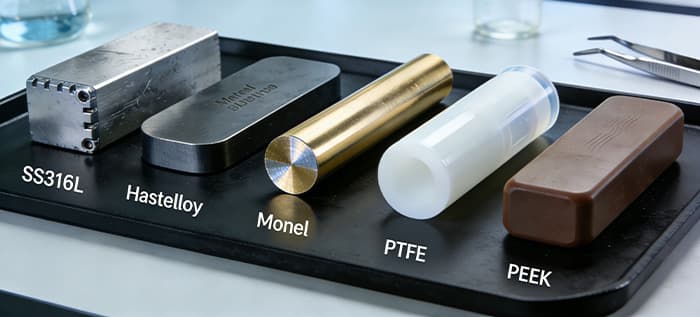
With corrosive viscous media, compatibility is non-negotiable. Wetted components must resist chemical attack and abrasion. Stainless steel such as SS316L, Hastelloy, Monel, and plastics like PTFE and PEEK are common picks, matched to the liquid’s chemistry. Coatings such as PTFE or PFA add a barrier to corrosion and reduce sticking. Good material choices extend service life, trim maintenance, and protect measurement fidelity.
Selecting the Optimal Level Sensor for Your High-Viscosity Application
Choosing the right level sensor for high-viscosity liquids requires a systematic approach. We consider various factors to ensure optimal performance, reliability, and cost-effectiveness for your specific industrial process.
1. Evaluating liquid properties: viscosity, density, and corrosiveness
Capture the basics of the liquid. Viscosity sets flow resistance and how prone the fluid is to coat sensor faces. Density drives hydrostatic measurements and can shift with temperature or concentration. Corrosiveness dictates the wetted materials so you avoid premature failure and safety issues. With those three in hand, the shortlist of technologies and materials gets much clearer.
2. Assessing process conditions: temperature, pressure, and agitation
Process conditions steer the choice. High temperatures can age certain materials or stress electronics. High pressure calls for robust mechanical designs. Agitation and turbulence spawn waves or foam, which can disrupt non-contact methods such as ultrasonic or radar. Match the sensor to the operating envelope so readings remain steady.
3. Analyzing installation requirements and environmental factors
Physical constraints matter, tank geometry, nozzles, and mounting options define what will fit and service easily. Ambient conditions like temperature, humidity, and hazardous classifications drive protection ratings such as IP68 submersible level sensors and certification needs such as hazardous area sensors. Good installation planning pays dividends in uptime and clean data.
4. Comparing accuracy, response time, and maintenance needs
Accuracy should match the process target, some lines demand sub-millimeter resolution, others are fine with wider bands. If level changes quickly, response time rises in importance. Weigh the maintenance profile too, sensors that foul or drift frequently cost time and money. Aim for the best balance of accuracy, speed, and upkeep for the long run.
5. Cost-benefit analysis of different sensor types for long-term operation
Look past the purchase price. Factor in installation effort, power draw, cleaning and calibration intervals, and the cost of downtime when a device fails. In viscous service, a higher upfront spend on a sensor that stays clean and stable often returns more value over its service life.
Enhancing Performance and Longevity of Level Sensors in Viscous Service
Optimizing the performance and extending the lifespan of level sensors in high-viscosity applications involves careful planning and adherence to best practices. We focus on proactive measures to ensure continuous, accurate measurement.
1. Best practices for sensor installation and mounting
Good mounting is the foundation. Place non-contact sensors such as radar or ultrasonic away from walls, agitators, and inlet streams to reduce false echoes. For contact devices, pick locations that allow tool access for cleaning. Stilling tubes or bypass chambers help create a calm measurement zone in agitated tanks, which cuts down turbulence effects and nuisance trips.
2. Strategies for preventing fouling and buildup on sensor elements
Buildup is the enemy with viscous media, so design against it. Use flush diaphragms on pressure sensors and self-cleaning features on vibratory devices. Air purge can keep a non-contact face clear. Low surface energy materials, for example PTFE-coated probes, discourage sticking. Back that up with regular inspection and cleaning so minor films do not turn into hard layers.
3. Calibration and maintenance procedures for sustained accuracy
Plan calibration and maintenance based on the fluid and process stability. Verify and adjust at intervals that reflect how quickly fouling or change occurs. Clean sensing surfaces during service to remove any accumulation. Keep records of work and results, trend data reveals issues early and lets you schedule fixes instead of reacting to failures.
4. Integrating advanced control systems for optimized performance
Tie level instruments into control systems that can compensate for the real world. Algorithms can correct for temperature-driven density shifts or filter agitation noise. Use the data stream for predictive maintenance, alerts on drift or unusual behavior let you intervene during planned windows. The net effect is tighter control and fewer surprises.
Partner with Pokcenser Automation for Reliable Level Sensing Solutions
At Pokcenser Automation, we live these viscous measurement challenges every day. With deep experience in industrial automation and a broad lineup of level and process instruments, we tailor solutions to your application. Our sensors are built for tough environments and stable performance, so your operation stays on spec and on schedule. Reach out and we will work through your process and recommend what fits.
Phone: +86 181 7515 5326
Email: in**@*******er.com
FAQs
1. What makes high-viscosity liquids challenging to measure?
High-viscosity liquids fight flow and stick to surfaces, so sensors foul, responses slow, and accuracy suffers. Temperature and pressure shifts also change viscosity, which adds another layer of complexity to stable measurement.
2. Can standard ultrasonic sensors be used for viscous liquids?
Standard ultrasonic sensors can work with viscous liquids when they are non-contact, which prevents fouling. Very dense or turbulent viscous liquids can absorb or scatter the signal and trim accuracy. Specialized ultrasonic level sensors with advanced signal processing can mitigate these issues.
3. What are the advantages of guided wave radar for high-viscosity applications?
Guided wave radar reduces signal loss even when the fluid adheres to the probe, so it delivers reliable, accurate readings across changing liquid properties. For sticky media with varying dielectric constants or heavy buildup, it is a robust choice.
4. How often should level sensors for viscous liquids be calibrated?
Frequency depends on the liquid, process dynamics, and accuracy requirements. With very viscous or fouling media, plan more frequent checks to counter buildup and keep measurement integrity intact.
5. What role does temperature compensation play in viscous liquid level measurement?
Temperature compensation matters because viscosity and density shift with temperature. Hydrostatic devices need density compensation for correct level calculation, and stable temperature supports consistent behavior for all sensing methods.

