 English
 Spanish
Enhancing Fleet Efficiency with GPS Fuel Level Sensors
Fuel management, for anyone running a fleet, is just one of those perpetual headaches, isn’t it? It’s a huge operational challenge, no matter where you are in the world. When you’re not tracking it properly, you’re not just losing a few pennies; you’re looking at serious financial bleed and a real drag on productivity. But here’s the good news: GPS fuel level sensors are stepping up as a pretty robust answer to this problem. They give you real-time data, which means you get incredibly precise monitoring and control. This tech isn’t just fancy; it genuinely helps you bat away risks like fuel theft and really fine-tune how much fuel you’re actually using. And when you do that, you’re directly hitting your fleet’s bottom line and making everything run so much smoother.
Understanding the Critical Role of Fuel Level Monitoring in Fleet Operations
Look, effective fuel management isn’t just a nice-to-have; it’s absolutely crucial for any fleet, big or small, whatever industry you’re in. Fuel, let’s be honest, is a massive operational expense – often gobbling up a good 20-40% of your total running costs. So, it stands to reason that being super precise about tracking and controlling that consumption directly impacts your profitability and whether your operations can even last. Without solid, accurate data, businesses are just flying blind; they can’t spot inefficiencies, stop losses, or even begin to optimize their logistics. This section is all about digging into those inherent headaches of traditional fuel management and really highlighting the deep impact of not tracking things properly.
1. The Challenges of Traditional Fuel Management
Traditional fuel management, honestly, often feels like something out of a bygone era. It relies so much on people manually collecting data and just guessing, which, let’s be real, is a recipe for inaccuracies and human error. These old-school ways create huge blind spots for fleet operators. For example, you’ve got drivers scribbling down fuel purchases and consumption, and that often leads to discrepancies and, regrettably, sometimes even fraud. We’ve seen it countless times: these systems just don’t offer the kind of granular detail you need for a proper analysis. It makes it incredibly tough to pinpoint exactly which vehicles or routes are guzzling too much fuel. And without that real-time visibility, you can’t make proactive decisions, which completely kneecaps any efforts to get more efficient.
What’s more, these traditional methods offer next to no protection against fuel theft, which is a pervasive problem that costs businesses millions every single year. Without constant monitoring, someone siphoning off fuel or using a fuel card fraudulently can go completely unnoticed for ages. The result? Direct financial losses and a real hit to your overall fleet performance. And let’s not forget the sheer time sink of manually cross-referencing fuel receipts with odometer readings – it’s a chore, and by the time you spot an issue, it’s often too late to do anything meaningful. The lack of immediate alerts means that by the time you finally flag those discrepancies, a significant amount of money might have already gone missing.
2. The Economic and Operational Impact of Inefficient Fuel Tracking
The economic fallout from not tracking fuel efficiently is, frankly, huge and hits you from multiple angles. High fuel costs, made even worse by poor management, just eat away at your profit margins and put a real strain on your operational budgets. Businesses end up with increased overheads because of unexplained fuel consumption, which could be down to anything from aggressive driving, unauthorized vehicle use, or just plain theft. And these costs, especially for big fleets, pile up incredibly fast.
Operationally, inefficient fuel tracking completely messes with your strategic planning and how you allocate resources. Without accurate data on fuel levels and consumption patterns, fleet managers are left struggling to optimize routes, schedule maintenance effectively, or even just forecast how much fuel they’ll need in the future. This can lead to unexpected stops for refueling, delays, and disruptions in service delivery – a real headache. Plus, a lack of transparency around fuel usage can breed distrust, which isn’t great for employee morale or accountability. And if you can’t spot and fix fuel-related issues quickly, you’re looking at more vehicle downtime and higher maintenance bills.
How GPS Fuel Level Sensors Revolutionize Fleet Management
GPS fuel level sensors? They’re a game-changer, truly transformative for modern fleet management. They tackle those core weaknesses of traditional methods head-on by giving you accurate, real-time data on fuel levels and how much is being consumed. This technological leap hands fleet managers an unprecedented level of control and visibility over one of their most crucial assets: fuel. When you weave these sensors into a comprehensive telematics system, you’ve got yourself a seriously powerful tool for boosting efficiency, tightening security, and getting smarter about your operations.
1. Real-time Fuel Monitoring and Data Accuracy
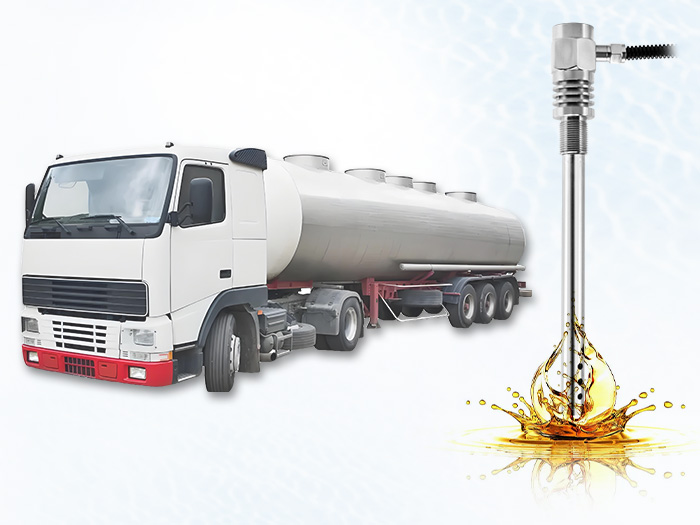
What’s great about GPS fuel level sensors is that they constantly give you precise updates on each vehicle’s fuel status. This real-time data means fleet managers can keep an eye on fuel levels from afar, completely ditching the need for manual checks. These sensors use different clever technologies, like capacitive or ultrasonic methods, to measure fuel volume with incredible accuracy. This ensures that the data you see truly reflects how much fuel is in the tank, cutting down on discrepancies and giving you a solid foundation for analysis.
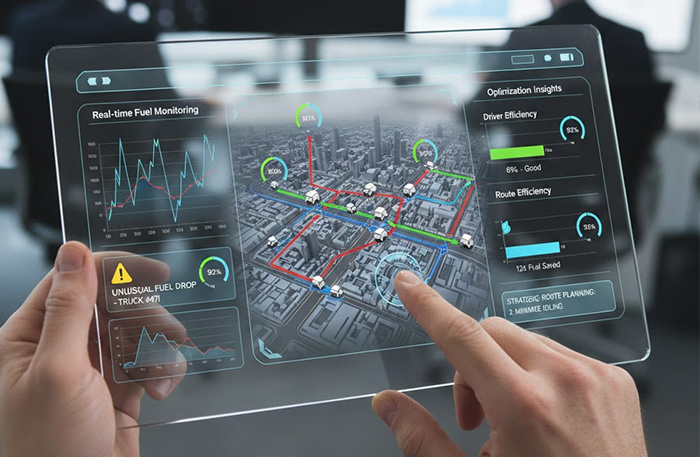
Having accurate fuel data available instantly makes proactive management a breeze. Managers can spot sudden drops in fuel levels – a big red flag for potential theft – or notice consistent patterns of high consumption, which might point to inefficient driving or a vehicle issue. This level of detail helps you make informed decisions, letting you step in quickly to optimize fuel usage. And all this data feeds into comprehensive reports, offering valuable insights into past consumption trends and how you’re performing against benchmarks.
2. Preventing Fuel Theft and Unauthorized Usage
Fuel theft is a massive financial drain for fleet operators, let’s be clear. But GPS fuel level sensors? They act as a really strong deterrent and a fantastic way to detect these illicit activities. By constantly keeping tabs on fuel levels, these sensors can immediately flag any unusual or sudden drop in fuel volume that doesn’t line up with the vehicle actually being used. This capability is absolutely vital for protecting your valuable fuel assets.
When these sensors are hooked up to a telematics system, they can ping instant alerts to fleet managers – a text message or an email – if a suspicious fuel drop happens. This means you can investigate and intervene super fast, potentially catching culprits red-handed or at least minimizing your losses. Plus, the detailed logs of fuel level changes provide undeniable proof for accountability. This beefed-up security doesn’t just save you money directly; it also discourages future theft attempts, keeping your fleet’s resources safe and sound.
3. Optimizing Fuel Consumption and Route Planning
Beyond just stopping theft, GPS fuel level sensors play a pivotal role in making sure you’re using fuel as efficiently as possible. The real-time data these sensors collect, when combined with GPS tracking info, gives you a complete picture of how fuel is being used across your entire fleet. This allows managers to really scrutinize driving behaviors – things like excessive idling, slamming on the accelerator, or harsh braking – all known culprits for burning more fuel.
By spotting these inefficiencies, fleet managers can then put targeted training programs in place for drivers or tweak their operational policies. The data also helps with smarter route planning, making sure vehicles are taking the most fuel-efficient paths. For instance, by understanding how much fuel different routes and vehicle types consume, dispatchers can assign vehicles in the most optimal way, cutting down on unnecessary mileage and fuel spending. This kind of strategic optimization leads to significant long-term cost savings and a smaller environmental footprint, which is a win-win.
Key Features and Technologies of Modern GPS Fuel Level Sensors
Modern GPS fuel level sensors aren’t just simple gadgets; they’re pretty sophisticated pieces of kit, bringing together various sensing technologies with advanced communication and data processing. They’re built to handle tough operating conditions while still giving you precise and reliable data. Understanding what makes them tick – their features and the tech behind them – is really important for picking the right solution for your fleet’s specific needs.
1. Types of Fuel Level Sensing Technologies
There are a few core technologies that underpin today’s fuel level sensors, each with its own distinct perks.
- Capacitive Sensors: These clever sensors work by noticing changes in capacitance as the fuel’s electrical properties shift. They’re super accurate and generally pretty resilient to temperature swings and variations in fuel quality. Capacitive level transmitters are actually quite common in all sorts of applications, not just fleets.
- Ultrasonic Sensors: Ultrasonic sensors send out sound waves that then bounce off the fuel surface. The sensor then figures out the distance to the fuel based on how long it takes for that echo to come back. These are non-contact, which means they’re great for different fuel types and less likely to get gunked up.
- Hydrostatic Sensors: These measure the pressure from the fuel column, which directly tells you the fuel level. They’re tough and dependable, often used in bigger tanks or industrial settings. For instance, Hydrostatic Sensors are frequently chosen when precision and durability are absolutely non-negotiable.
- Float Sensors: These are a bit simpler, using a buoyant element that bobs up and down with the fuel level, sending its position either mechanically or magnetically. They’re more budget-friendly but might not be as precise as the electronic options.
Each technology offers a different balance of accuracy, cost, and how well it suits specific tank designs and fuel types. Choosing the right sensor really boils down to your fleet’s operating environment and how precise you need to be.
2. Integration with GPS Tracking and Telematics Systems
The real magic of GPS fuel level sensors happens when they seamlessly hook up with GPS tracking and full-blown telematics systems. These systems pull together location data with sensor readings, giving you a complete, holistic view of vehicle performance and how much fuel is being used. The GPS bit tracks where the vehicle goes, how fast, and its location, while the fuel sensors feed in that crucial data on consumption and levels.
This integration unlocks a whole host of functionalities:
- Geofencing: You can set up virtual boundaries that trigger alerts if a vehicle goes in or out of a specific area, which is super handy for keeping an eye on fuel stops or preventing unauthorized detours.
- Route Optimization: Imagine combining fuel consumption data with real-time traffic and route info to suggest the most fuel-efficient paths. That’s what this does.
- Driver Behavior Monitoring: You can link fuel usage to driving patterns to spot and correct things like too much idling, harsh braking, or speeding. This alone can seriously slash fuel costs.
- Maintenance Scheduling: The system can even predict potential engine or fuel system problems based on unusual consumption patterns, letting you get ahead of maintenance before things break down.
This integrated approach doesn’t just collect raw data; it turns it into actionable intelligence, empowering fleet managers to make smart, data-driven decisions that boost efficiency and cut costs.
3. Data Analytics and Reporting Capabilities for Informed Decisions
Modern GPS fuel level sensor systems aren’t just glorified data collectors; they’re powerful analytical tools in their own right. They chew through vast amounts of data to spit out comprehensive reports and insights you can actually act on. These capabilities are absolutely vital for strategic planning and constantly improving your fleet operations.
Some of the key analytical and reporting features you’ll find include:
- Historical Data Analysis: This lets you look back at past fuel consumption trends to spot seasonal variations, peak usage times, and how your long-term efficiency efforts are paying off.
- Customizable Dashboards: Imagine seeing all your key performance indicators (KPIs) at a glance – fuel efficiency per vehicle, cost per mile, even how many fuel theft incidents you’ve had.
- Exception Reporting: This is brilliant – it automatically flags anomalies, like sudden fuel drops or unusually high consumption, that need your immediate attention.
- Environmental Impact Reporting: You can track your carbon emissions linked to fuel consumption, which is great for supporting sustainability goals and staying compliant.
These analytical tools really empower fleet managers to move beyond just putting out fires and instead become proactive, strategic decision-makers. They give you the hard evidence you need to justify investing in new technologies or making changes to how you operate.
Implementing GPS Fuel Level Sensors: A Step-by-Step Guide for Fleets
Implementing GPS fuel level sensors isn’t something you just jump into; it needs careful planning and execution to really get the most out of them. A structured approach ensures that whatever solution you pick genuinely fits your fleet’s specific operational needs and plugs in smoothly with your existing systems. Here’s a step-by-step guide to help you get it right.
1. Assessing Your Fleet’s Specific Needs and Requirements
Before you even think about investing in any technology, you absolutely must do a thorough assessment of where your fleet stands now and what you’ll need in the future. This initial stage is all about figuring out your pain points, setting clear objectives, and understanding the environment you’re operating in.
- Identify Current Challenges: What are the main headaches with your current fuel management? Are you bleeding money on fuel, constantly dealing with theft, getting inaccurate reports, or struggling with route planning? Try to quantify these problems so you have clear benchmarks to improve upon.
- Define Objectives: Be really clear about what you want to achieve with GPS fuel level sensors. Your goals might be to cut fuel consumption by a certain percentage, completely eliminate theft, or get better data accuracy for compliance.
- Analyze Fleet Composition: Think about the types of vehicles you have, how big their fuel tanks are, and where they operate. Different vehicles and conditions might call for specific sensor types or installation methods.
- Evaluate Existing Infrastructure: Take a look at your current telematics or fleet management systems. Compatibility with new sensors is absolutely crucial for a seamless integration and data flow.
- Budgetary Considerations: Set a realistic budget for the hardware, installation, software, and ongoing maintenance. And don’t forget to consider the potential return on investment (ROI) from all those fuel savings and theft prevention.
A thorough assessment like this ensures that the solution you choose actually addresses your fleet’s unique requirements.
2. Choosing the Right Sensor Technology and Provider
Picking the right sensor technology and a trustworthy provider is a really big decision. There are tons of options out there, and matching the tech to your needs is paramount for getting the best performance.
- Research Sensor Types: Based on your needs assessment, dig into which fuel level sensing technologies (like capacitive, ultrasonic, hydrostatic) would work best for you. Think about accuracy, how durable they are, and how easy they are to maintain.
- Evaluate Providers: Look for companies with a solid track record in fleet management solutions and sensor technology. Check for certifications, read customer reviews, and see what kind of technical support they offer. Pokcenser Automation, for example, specializes in a wide range of industrial sensors, including advanced level sensors, which can be adapted for fuel monitoring.
- Consider Integration Capabilities: Make sure the sensors and their associated software can actually talk to your existing fleet management platforms. Compatibility prevents data silos and makes your operations much smoother.
- Scalability: Choose a solution that can grow with your fleet. The system should be able to handle more vehicles and sensors without needing a complete overhaul down the line.
- Security Features: Double-check that the sensors and the data platform have strong security measures in place to protect your sensitive fleet data from unauthorized access.
A well-chosen sensor and provider will truly be the backbone of an effective fuel management system.
3. Installation, Calibration, and System Integration Best Practices
Proper installation and calibration are absolutely critical for your GPS fuel level sensors to be accurate and reliable. Following best practices during deployment is the key to getting optimal performance and ensuring your data is sound.
- Professional Installation: Please, get experienced technicians to install your sensors. Doing it wrong can lead to inaccurate readings and even damage. Make sure the sensors are securely mounted and wired exactly as the manufacturer specifies.
- Thorough Calibration: Every single sensor needs to be precisely calibrated after installation. This involves filling and draining the fuel tank to create a calibration table that accurately maps sensor readings to the actual fuel volumes. You might need to recalibrate periodically or if you make any big changes to the tank.
- Seamless System Integration: Get that fuel level data talking to your existing GPS tracking and telematics software. This usually means setting up data feeds and making sure your hardware and software platforms are compatible.
- Comprehensive Testing: Run extensive tests to confirm that your sensors are sending data accurately and consistently. Test all sorts of scenarios – refueling, fuel consumption during operation, even simulated theft attempts.
- Staff Training: Train your fleet managers, dispatchers, and maintenance folks on how to actually use the new system effectively. Proper training ensures everyone can leverage the data to make smart decisions.
By sticking to these best practices, fleets can really ensure their GPS fuel level sensors deliver maximum value.
The Tangible Benefits of GPS Fuel Level Sensors for Your Business
Implementing GPS fuel level sensors isn’t just about ticking a box; it offers a ton of real, tangible benefits that directly hit your business’s profitability, how efficiently you operate, and your overall security. These advantages go way beyond just saving a few bucks on fuel; they contribute to a fleet operation that’s more streamlined, transparent, and accountable. We’ve seen firsthand how these systems give businesses a real competitive edge in today’s demanding logistics world.
1. Significant Cost Savings Through Reduced Fuel Expenses
The most immediate and impactful win from GPS fuel level sensors is the serious dent they make in your fuel expenses. By giving you precise, real-time data, these systems empower fleet managers to spot and fix those inefficiencies that are just guzzling fuel.
- Elimination of Fuel Theft: Those real-time alerts and accurate monitoring put a stop to unauthorized siphoning and fraudulent fuel purchases. This directly translates into fuel saved that would otherwise just vanish.
- Optimized Driving Behavior: Data on harsh braking, rapid acceleration, and too much idling gives you the insights to coach drivers, leading to smoother, more fuel-efficient driving. Studies actually show that even small improvements in driving habits can cut fuel consumption by 5-15%.
- Accurate Refueling: Sensors ensure that vehicles are filled to the correct capacity and that what you record as purchased fuel actually matches what went into the tank, preventing those annoying discrepancies.
- Improved Route Efficiency: When you integrate fuel data with GPS tracking, you can dynamically optimize routes, cutting down on unnecessary mileage and fuel usage for every single trip.
Put all these factors together, and you’re looking at significant annual savings, directly boosting your company’s bottom line.
2. Improved Operational Efficiency and Productivity
Beyond just saving money, GPS fuel level sensors genuinely make your overall operations more efficient and productive. Having access to accurate and timely fuel information just streamlines so many aspects of fleet management.
- Reduced Downtime: Proactively monitoring fuel levels and consumption patterns helps you catch potential issues before they become major problems, cutting down on unexpected breakdowns and maintenance headaches.
- Streamlined Logistics: Dispatchers can make much smarter decisions about which vehicle goes where and which route they take, ensuring vehicles have plenty of fuel for their tasks and avoiding unnecessary refueling stops.
- Enhanced Planning: Accurate historical data means you can forecast your fuel needs much better, optimizing procurement and storage. This really cuts down the risk of running out of fuel or having too much sitting around.
- Automated Reporting: The system handles all those fuel usage reports automatically, freeing up your administrative staff from tedious manual data entry and reconciliation, so they can focus on more strategic tasks.
All these improvements add up to a more agile and responsive fleet, capable of delivering services much more reliably and efficiently.
3. Enhanced Security and Accountability Across Your Fleet
GPS fuel level sensors really beef up security and foster a culture of accountability throughout your fleet. The transparency that comes with continuous monitoring acts as a powerful deterrent against misconduct and ensures everyone is managing resources responsibly.
- Deterrent to Theft: Just knowing that fuel levels are constantly being watched is often enough to discourage employees or outside parties from even trying to steal fuel.
- Rapid Incident Response: Those immediate alerts for sudden fuel drops mean you can act fast, allowing managers to investigate and respond to potential theft incidents in real-time.
- Data for Accountability: Detailed logs of fuel levels, consumption, and vehicle location provide concrete evidence for addressing discrepancies or misconduct. This data supports fair and objective disciplinary actions, which is important.
- Reduced Fraud: By cross-referencing fuel card transactions with the actual fuel added to tanks, businesses can detect and prevent fraudulent fuel purchases.
This enhanced security framework doesn’t just protect valuable assets; it also promotes a more responsible and transparent operating environment for the entire fleet.
Partner with Pokcenser Automation for Advanced Sensing Solutions
Look, getting your fleet to run as efficiently as possible through precise fuel monitoring isn’t just a good idea for modern businesses; it’s a strategic necessity. Here at Pokcenser Automation, we really get how critical accurate and reliable sensors are to hitting those goals. While our specialty is a broad range of industrial sensors – think advanced level sensors and flow meters – our deep expertise in measurement technology directly underpins the very principles of effective GPS fuel level monitoring. We’re all about providing robust, precise solutions for all sorts of industrial automation needs, ultimately helping our clients worldwide get better control and efficiency in their operations.
We’d genuinely love for you to chat with our team of experts about your specific needs. We can help you take a good look at your current systems and suggest the right sensing technologies that truly align with your goals for better fuel management and overall fleet performance. Our dedicated 6-person pre-sales and after-sales team is here to give you a complete, worry-free experience, from that first application evaluation all the way through to ongoing support.
Why not reach out today and discover how our industrial automation solutions can really add value to your operations?
Phone: +86 181 7515 5326
Email: in**@*******er.com
About the Author
Li Chengxuan is a senior industrial automation expert at Pokcenser Automation, specializing in the research and application of flow, level, pressure and temperature sensors and industrial process control solutions.
FAQs
1. What are GPS fuel level sensors and how do they work?
GPS fuel level sensors are basically devices that marry fuel level measurement technology with GPS tracking capabilities. You install them in a vehicle’s fuel tank to keep a real-time eye on the fuel volume. That sensor data then gets sent via a GPS tracking unit to a central software platform, letting fleet managers remotely track fuel consumption, spot anything unusual, and efficiently manage their fuel resources.
2. Can GPS fuel level sensors integrate with existing fleet management software?
Absolutely, yes. Most modern GPS fuel level sensors are actually designed to integrate seamlessly with your existing fleet management and telematics software. They typically use standard communication protocols (like RS485, CAN bus, 4-20mA) to transmit data. This compatibility means you can see your fuel data right alongside other vehicle performance metrics, giving you a really comprehensive overview of your operations.
3. What are the main benefits of using these sensors for my fleet?
The biggest benefits are definitely the significant cost savings you’ll see from cutting down on fuel consumption and preventing theft. They also lead to much better operational efficiency through smarter route planning, optimized driving behavior, and getting ahead of maintenance scheduling. Enhanced security and accountability across your fleet are also major perks, as managers get full visibility and control over their fuel assets.
4. Are there different types of fuel level sensors, and which is best for my application?
Yes, there are several types, including capacitive, ultrasonic, and hydrostatic sensors. Capacitive sensors offer high accuracy and are quite resistant to different fuel types. Ultrasonic sensors are non-contact, which makes them suitable for various liquids. Hydrostatic sensors are robust and measure pressure. The best choice really depends on things like your tank size, the type of fuel, how accurate you need it to be, and your environmental conditions.
5. How accurate are GPS fuel level sensors in real-world conditions?
The accuracy of GPS fuel level sensors can vary quite a bit, depending on the technology and the quality of the sensor itself. High-quality capacitive and ultrasonic sensors can achieve accuracy levels of about ±1% to ±2% of the full tank volume. Factors like proper installation, regular calibration, and a stable power supply really play a big role in real-world accuracy. Environmental conditions and fuel sloshing can also affect readings, but advanced sensors usually have clever algorithms to help mitigate these effects.

