 English
 Spanish
High-Temperature Melt Pressure Sensors: Key Industrial Applications
In plants where metal glows and polymers flow like honey, I’ve seen one thing make the difference between a smooth shift and a costly shutdown: reliable pressure data at high heat. High-temperature melt pressure sensors are the quiet workhorses that keep processes in check—safeguarding equipment, ensuring product quality, and giving operators the real-time feedback they need. Drawing on my experience in industrial automation, I’ll walk through where these sensors matter most, what to look for technically, and how they’re evolving with modern automation.
Understanding the Critical Role of High-Temperature Melt Pressure Sensors
1. What defines high-temperature melt pressure sensors?
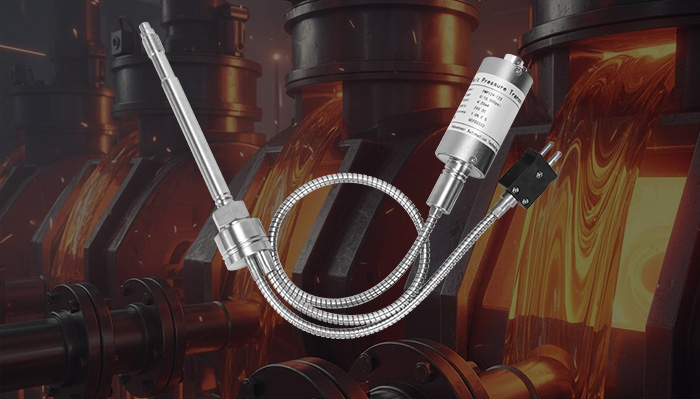
High-temperature melt pressure sensors are purpose-built to measure pressure in molten media or processes running at elevated temperatures. Their architecture typically combines a rigid stem with a flexible diaphragm, backed by a heat-stable fill fluid such as mercury or a proprietary oil. The diaphragm faces the process directly, transmitting pressure changes to a sensing element that converts the mechanical input into an electrical signal. Engineered to survive where conventional pressure sensors fail, these instruments routinely operate at temperatures up to 500°C (932°F) or higher. Hallmarks include rugged construction, high accuracy under thermal stress, and resistance to corrosive media.
2. Why are specialized sensors essential for extreme conditions?
Conventional pressure sensors quickly degrade in melt environments, suffering from material breakdown and signal drift. High-temperature melt pressure sensors are indispensable because they deliver accurate, stable, and dependable measurements in these harsh scenarios. Without them, operators lose the ability to control key parameters—inviting inconsistencies, equipment damage, and heightened safety risks. Their robust design extends service life and reduces downtime, while continuous, real-time feedback protects both people and assets.
Exploring Diverse Applications of Melt Pressure Sensors in Modern Industries
1. How these sensors ensure quality control in plastic extrusion and molding
In extrusion and molding, pressure precision directly shapes product quality. High-temperature melt pressure sensors track the molten polymer’s pressure inside the extruder barrel and die. Real-time readings stabilize melt flow and help avoid degradation, voids, and dimensional drift. Maintaining the right pressure profile underpins strength, appearance, and part integrity. Without accurate feedback, scrap rates rise and costs follow.
2. The importance of melt pressure monitoring in polymer processing
Across compounding, film blowing, and fiber spinning, pressure tells you what viscosity and flow are doing in the moment. Deviations can reveal clogged screens, worn screws, or feed inconsistencies. Catching these early allows quick corrections, prevents downtime, and keeps quality on spec. Over time, this vigilance protects equipment and stabilizes the process.
3. Enhancing safety and efficiency in chemical and petrochemical operations
Chemical and petrochemical processes often run hot, pressurized, and corrosive. High-temperature melt pressure sensors safeguard reactors, pipelines, and distillation columns by watching for over-pressurization—a precursor to failures, explosions, or releases. Accurate pressure control steadies reactions and improves throughput, advancing both safety and efficiency.
If you’re interested, check Safety in Hazardous Areas: Using Explosion-Proof Sensors to learn more about ensuring safety in challenging environments.
4. Critical applications in high-temperature fluid transfer and refining processes
Oil & gas operations rely on precise pressure measurement when moving hot crude, refined products, and catalysts under substantial pressure. Sensors monitor pipelines, pumps, and heat exchangers to flag anomalies that signal leaks, blockages, or equipment issues. This vigilance prevents spills, improves energy efficiency, and supports the smooth running of complex refining units—directly influencing safety and profitability.
5. Utilizing melt pressure sensors in food processing for consistent product quality
From confectionery to baked goods and extruded snacks, consistent pressure is key to consistent texture and cook. High-temperature melt pressure sensors track molten ingredients like chocolate, dough, and starches during cooking, mixing, and extrusion. Stable pressure prevents uneven textures and off-spec physical properties, while tight control supports food safety and compliance with strict quality standards.
Key Benefits of Implementing High-Temperature Melt Pressure Sensors
1. How accurate measurement leads to improved process control and product consistency
When pressure data is accurate and immediate, operators can dial in screw speed, die gap, and other settings with confidence. The result is tighter control of specifications, lower variability, and more consistent output. That precision also trims waste and elevates overall quality.
2. The role of these sensors in preventing equipment damage and ensuring operational safety
By continuously watching critical pressure points, sensors surface spikes or drops that hint at looming failures. Early warnings enable preventive maintenance, extending the life of expensive assets. In hazardous or extreme processes, these same sensors act as safety interlocks—triggering shutdowns or alarms to prevent incidents and protect personnel.
3. Optimizing energy consumption and reducing waste through precise monitoring
Correct pressure lets systems run at their most efficient points. Avoiding over-heating or over-pumping saves energy, while consistent pressure reduces defects and scrap. The combination supports sustainable manufacturing and better resource use—good for the bottom line and the environment.
4. Extending the lifespan of machinery with reliable pressure data
Steady, accurate pressure data enables proactive adjustments that ease mechanical stress. Addressing pressure-related issues early prevents premature component wear, stretching equipment life and reducing capital and maintenance costs. Better data leads to better decisions about longevity.
Technical Considerations for Selecting High-Temperature Melt Pressure Sensors
1. What are the critical parameters for sensor selection in high-temperature environments?
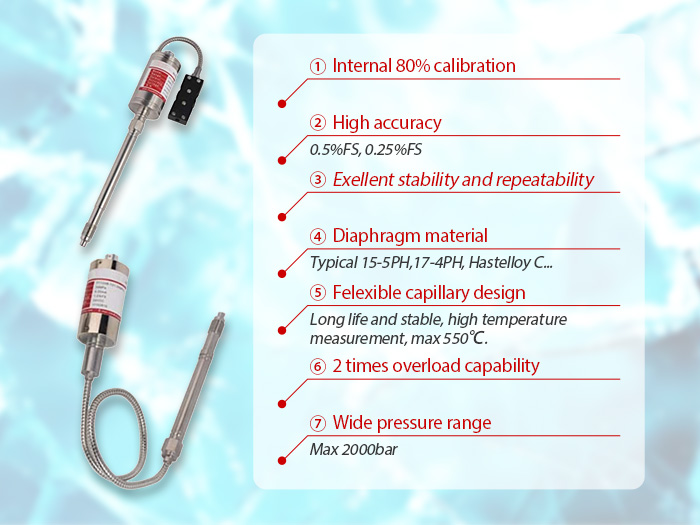
Choosing the right sensor starts with the basics: maximum operating temperature and pressure, the melt’s corrosiveness, and the accuracy and response time required. Mounting configuration, electrical output, and integration with existing control systems also matter. In short, match the specifications carefully to the application to ensure reliability and service life.
2. Evaluating sensor materials and construction for durability and chemical compatibility
Construction materials determine durability and chemical fit. In high-temperature melt service, diaphragms and wetted parts often use alloys like Inconel or stainless steel for heat, abrasion, and chemical resistance. The fill fluid must also tolerate extreme temperatures without breaking down. Getting materials right prevents corrosion, preserves accuracy, and extends operating life in aggressive media.
3. Understanding different sensor technologies and their suitability for specific applications
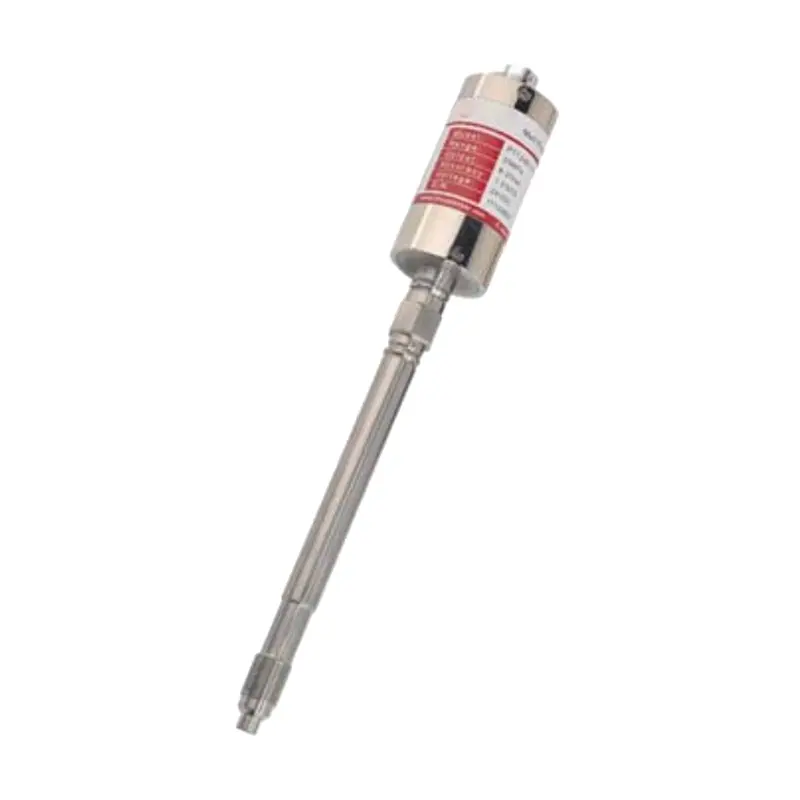
Multiple technologies are available, each with strengths. Strain gauge-based sensors are popular for robustness and broad temperature capability. Mercury-filled systems deliver high accuracy and stability, while mercury-free designs reduce environmental concerns. Pressure transmitters such as the PWP124 High Temperature Melt Pressure Sensor & Transducer-01 are engineered specifically for these demanding conditions. Selection should weigh process requirements, material properties, and needed precision.
4. The importance of calibration and maintenance for long-term reliability
High heat and aggressive media gradually push sensors off-spec. Regular calibration against traceable standards keeps performance in check, while scheduled cleaning and inspections prevent build-up and spot issues before they escalate. This discipline preserves accuracy, data integrity, and service life.
The Future of High-Temperature Melt Pressure Sensing Technology
1. Emerging trends in sensor design and material science
Progress is coming from both materials and design. Advanced ceramics and composites promise higher temperature limits and chemical inertness. Miniaturization and wireless capabilities are gaining ground, easing installation and reducing cabling. Together, these advances aim to expand operating envelopes and elevate performance in the harshest environments.
2. Integration with Industry 4.0 and advanced automation systems
These sensors are increasingly part of connected, data-driven plants. With digital protocols such as RS485 Modbus RTU, they pair seamlessly with PLC and SCADA systems for real-time analytics, predictive maintenance, and closed-loop control. Turning raw pressure data into insight helps optimize lines and lift overall plant performance.
If you’re interested, check 8 Things You Should Know About Diffused Piezoresistive Silicon Sensors to learn more about sensor integration.
3. Innovations driving greater accuracy, longevity, and cost-effectiveness
Manufacturing improvements are cutting variability and stabilizing calibration. Smarter, self-diagnosing sensors can report health status and reduce surprise failures. The net effect is higher data reliability, longer maintenance intervals, and lower total cost of ownership—more value through better performance and fewer interruptions.
Partner with Pokcenser Automation for Advanced Sensing Solutions
At Pokcenser Automation, we focus on durable, dependable sensing for demanding applications. Our pressure transmitters and temperature sensors are built to keep high-temperature melt processes safe and efficient. With a comprehensive product range, over a decade of experience, and certified quality, we’re ready to support your specific needs. Reach out and let’s tailor a solution that optimizes your operations.
Phone: +86 181 7515 5326
Email: in**@*******er.com
About the Author
Li Chengxuan is a senior industrial automation expert at Pokcenser Automation, specializing in the research and application of flow, level, pressure and temperature sensors and industrial process control solutions. With extensive experience in diverse industrial sectors, Li Chengxuan provides invaluable insights into optimizing industrial processes through advanced sensing technologies.
FAQs
1. What is the typical operating temperature range for melt pressure sensors?
High-temperature melt pressure sensors typically operate from 150°C (302°F) up to 500°C (932°F), with some specialized models rated even higher. The exact range depends on the sensor’s design, materials, and fill fluid. Always choose a sensor rated for your maximum process temperature to ensure accuracy and reliability.
2. How do high-temperature melt pressure sensors differ from standard pressure sensors?
They differ mainly in materials and internal architecture. High-temperature melt sensors use heat-resistant diaphragms, specialized fill fluids, and electronics designed for extreme thermal conditions. Standard sensors would quickly drift or fail under the same temperatures due to material degradation and thermal expansion effects.
3. Can these sensors be used with corrosive materials?
Yes. Many are designed for corrosive media, using diaphragm and wetted materials such as specialized stainless steels or exotic alloys to ensure chemical compatibility. Always confirm the wetted parts match your specific chemicals to prevent corrosion and extend sensor life.
4. What are the common challenges in installing and maintaining melt pressure sensors?
Key challenges include thermal isolation to protect electronics, preventing build-up on the diaphragm, and handling abrasive melts. Proper mounting avoids dead spots and ensures representative readings. Regular cleaning and calibration are essential to keep sensors performing and extend their service life.
5. How often should high-temperature melt pressure sensors be calibrated?
It depends on criticality, conditions, and manufacturer guidance. As a baseline, annual calibration works well. For harsh service or critical control points, consider quarterly or bi-annual intervals to maintain accuracy and reliability.

