 English
 Spanish
Integrating a Digital Pressure Switch into Control Systems — A Pokcenser Expert Guide
Precision, reliability, and smart control define the performance of today’s industrial automation systems. At Pokcenser Automation, with over 10 years of experience in sensor manufacturing and process control, we understand how digital pressure switches transform traditional systems into intelligent, data-driven solutions.
We explore how to properly integrate digital pressure switches into control systems, what benefits they bring, and how to ensure long-term reliability — based on our real-world experience delivering 150,000+ sensor solutions across 100+ countries.
What a Digital Pressure Switch Does?
A digital pressure switch is an intelligent device that continuously monitors system pressure and sends out control or alarm signals when preset thresholds are reached. Unlike traditional mechanical switches, it offers digital readouts, programmable setpoints, and precise electronic control.
Digital pressure switches are ideal for applications in:
- Oil & Gas pipelines
- Water and wastewater treatment
- Chemical and petrochemical processing
- Food and beverage production
- OEM equipment and hydraulic systems
Key Benefits:
- ±1% accuracy for high process reliability
- Real-time pressure monitoring and alarms
- Compact design with integrated display
- Long service life and low maintenance
- Compatibility with PLCs, DCS, and SCADA systems
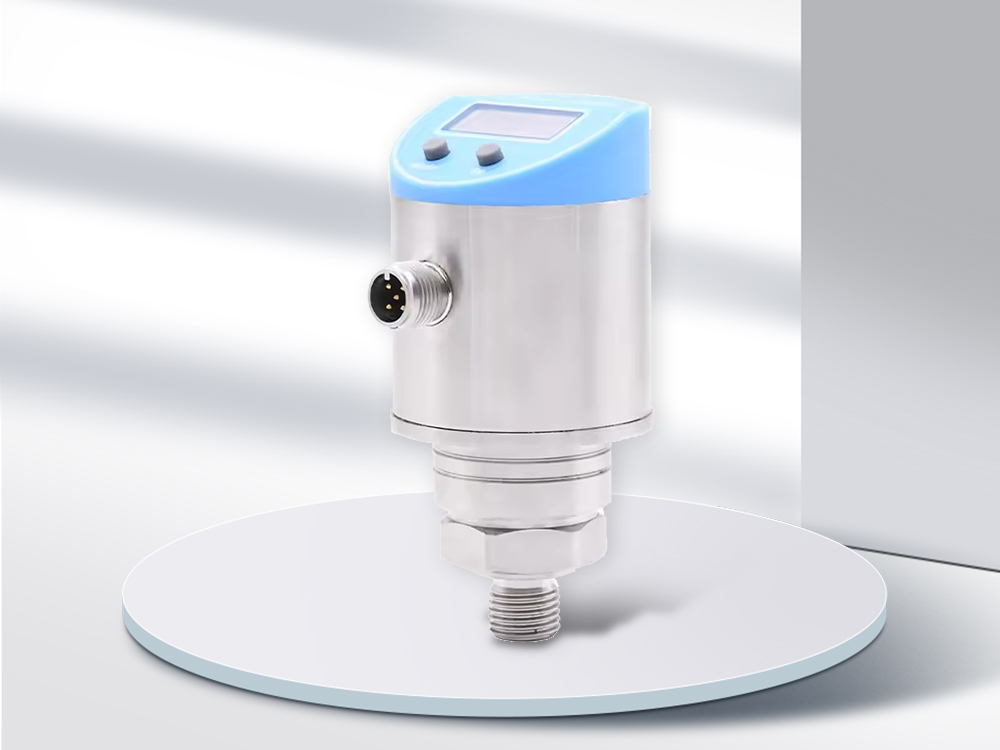
Pokcenser digital pressure switch with compact display design.
Why Integration Matters in Industrial Control Systems
In process industries, maintaining precise pressure levels is critical for safety, product quality, and equipment longevity. By integrating a digital pressure switch, engineers can automate safety cutoffs, improve system response, and collect valuable operational data.
Key advantages of integration:
- Automated protection: Switch triggers shutdown when pressure exceeds safe limits.
- Energy efficiency: Optimizes pump or compressor operation based on real-time feedback.
- Process consistency: Maintains stable conditions in continuous production.
- Predictive maintenance: Detects abnormal pressure variations before failure occurs.
For example, in a chemical reactor system, a Pokcenser digital pressure switch can continuously monitor vessel pressure, sending real-time data to the PLC and preventing dangerous overpressure incidents.
How to Integrate a Digital Pressure Switch Step by Step
At Pokcenser, our engineers follow a standardized integration workflow to ensure performance and safety:
-
Identify the Measurement Points
Locate the most critical points in your process — such as pump discharge lines, reactor inlets, or filter outputs — where accurate pressure monitoring is essential.
-
Select the Right Switch Model
Pokcenser offers models with:
- Analog output (4–20 mA or 0–10 V)
- Digital switch output (PNP/NPN)
- IO-Link communication for smart integration
Choose based on your control system’s input compatibility.
-
Connect Electrical Interface
Use shielded industrial cables and ensure grounding continuity. Follow proper wiring diagrams to prevent EMI or cross-talk with power lines.
-
Configure Setpoints and Hysteresis
Program your desired pressure limits via the digital interface or IO-Link software. Add hysteresis to prevent false triggering caused by minor pressure fluctuations.
-
Test and Calibrate Under Process Conditions
Run your process under normal operating loads and compare readings with reference instruments. Adjust setpoints for precise switching accuracy.
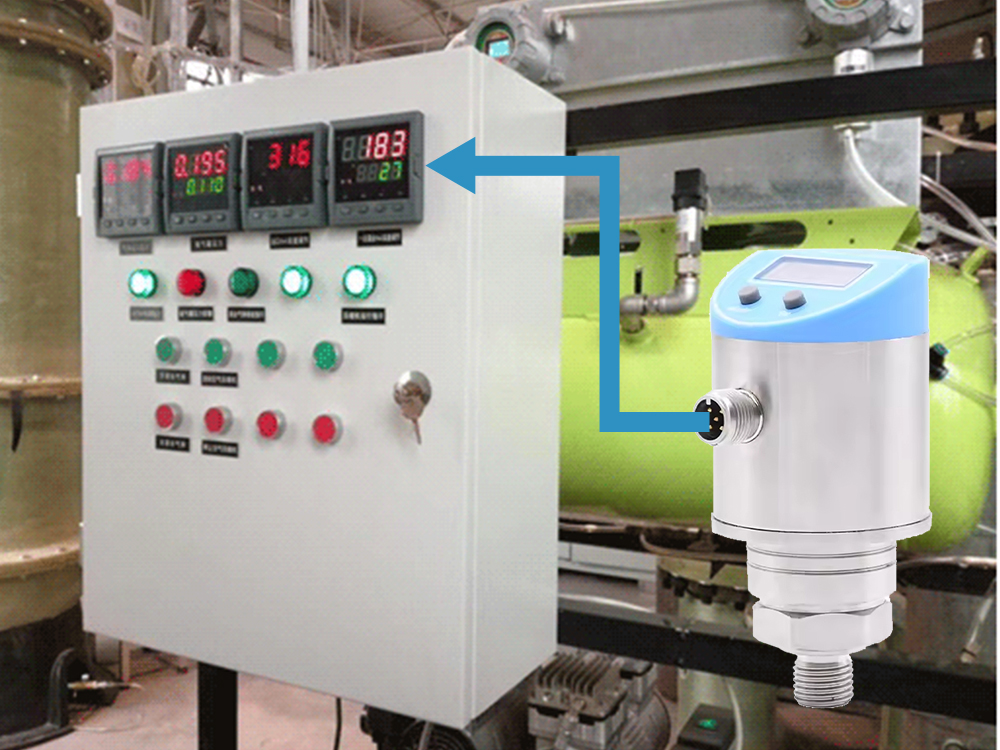
Integration of the Pokcenser digital pressure switch with a control cabinet.
Electrical and Hydraulic Connection Guidelines
A proper connection setup ensures both performance and longevity:
- Mount vertically to avoid air entrapment in the sensor cavity.
- Use a snubber or pressure damper to protect against pulsations.
- Apply PTFE sealing tape carefully to prevent contamination.
- Isolate high-vibration points using damping brackets.
- Separate signal cables from high-voltage lines.
Pokcenser’s switches are designed with IP67 stainless steel housings for durability in demanding industrial environments, including outdoor or washdown areas.
Common Integration Challenges and Solutions of Digital Pressure Switch
Even experienced engineers can encounter challenges during setup. Below are the most common issues and how Pokcenser’s technical team recommends addressing them:
| Issue | Possible Cause | Solution |
|---|---|---|
| Erratic switching | Pulsation or vibration | Install snubber, enable digital filtering |
| Inaccurate readings | Poor grounding | Use shielded cable, ensure proper grounding |
| Signal loss | Long cable run | Use higher-quality or shorter cables |
| Drifting measurement | Temperature fluctuation | Use temperature-compensated sensors |
| Connector damage | Harsh environment | Select IP67 or IP69K rated connectors |
Digital Pressure Switch Integration in Water Treatment
In a municipal water treatment plant, Pokcenser’s PDS series digital pressure switches were installed on filtration and booster pump systems.
- Each switch communicates with the PLC via analog and IO-Link output.
- Operators monitor pressure trends remotely through SCADA.
- Automatic alerts trigger if differential pressure exceeds safe limits.
This setup improved filter backwash efficiency and reduced pump downtime by 25% within three months of operation.
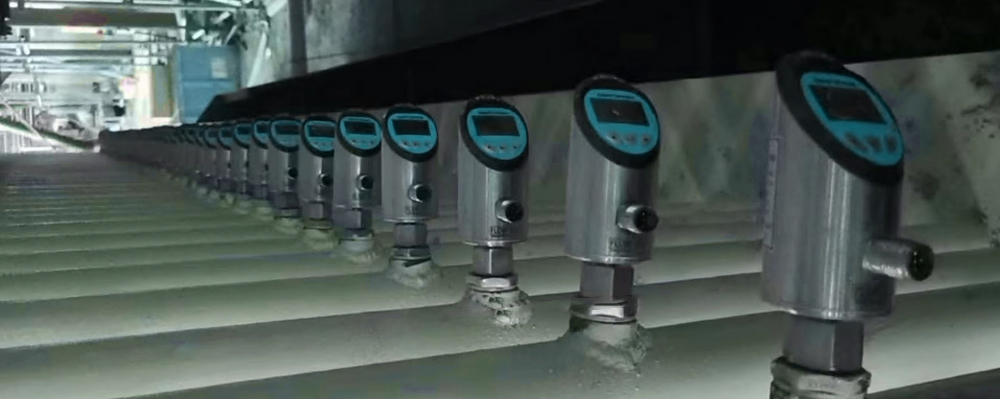
Digital pressure switches deployed in a multi-point industrial process line.
Maintenance, Calibration, and Long-Term Reliability
Routine maintenance ensures accurate readings and prevents unplanned downtime:
- Calibrate every 6–12 months using certified pressure standards.
- Inspect for oil or water leakage at fittings.
- Check display function and alarm logic.
- Replace O-rings during scheduled maintenance.
- Keep electrical connectors clean and dry.
Pokcenser’s sensors are designed with robust diaphragm protection and temperature compensation, reducing drift and extending service intervals.
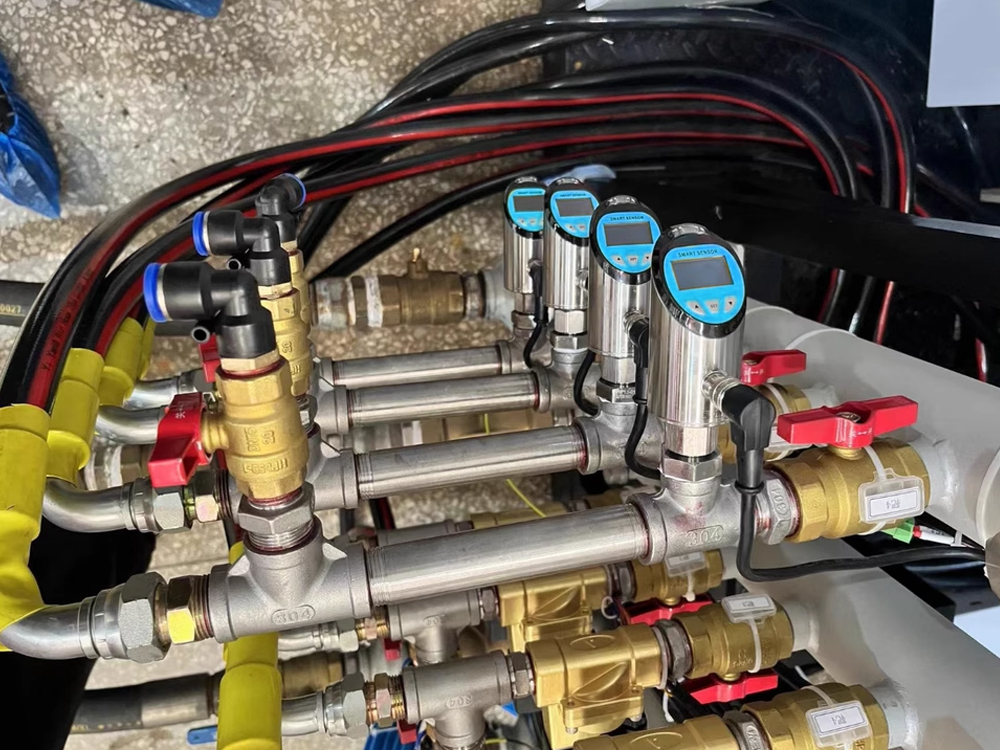
Pokcenser pressure switches mounted on a distributed piping system.
Future Trend: Smart Control and IO-Link Technology
With the rise of Industry 4.0, digital pressure switches are evolving beyond simple on/off devices. The next generation of Pokcenser switches includes IO-Link connectivity, enabling:
- Remote parameterization and diagnostics
- Integration with cloud-based monitoring platforms
- Predictive maintenance analytics
- Real-time performance visualization on dashboards
As automation systems become more data-centric, Pokcenser continues to innovate in smart sensor communication and custom OEM/ODM solutions for global partners.
Key Takeaways for Engineers and System Designers
- Digital pressure switches improve accuracy, safety, and data visibility.
- Select the right model based on process media, pressure range, and output type.
- Follow best practices for mounting, wiring, and grounding.
- Plan regular calibration for consistent performance.
- Explore IO-Link integration for future scalability and smart control.
Need Professional Pressure Monitoring Solutions?
At Pokcenser Automation, we don’t just supply sensors — we deliver complete application solutions.
With a 6-person pre-sales and after-sales team, we provide one-stop support from project evaluation to integration and maintenance.
Contact us today to discuss your process application and discover how Pokcenser can help you optimize safety, efficiency, and automation performance.
FAQ: Digital Pressure Switch Integration
Q1: What’s the difference between a pressure transmitter and a digital pressure switch?
A transmitter provides continuous analog output; a digital pressure switch provides setpoints and alarms for on/off control with display.
Q2: Can Pokcenser’s digital pressure switches work with PLC or DCS systems?
Yes. They support 4–20 mA, 0–10 V, PNP/NPN, and IO-Link for seamless integration.
Q3: Are Pokcenser switches suitable for hazardous areas?
Yes. Models with ATEX certification are available for explosive environments.
Q4: How often should I calibrate my switch?
Calibration every 6–12 months is recommended, depending on process conditions.
Q5: Does Pokcenser support OEM or customized designs?
Absolutely. Pokcenser provides OEM & ODM services for customized solutions to meet your exact application requirements.

