 English
 Spanish
Manual Groundwater Measurement with a Steel Ruler Meter: A Comprehensive Guide
Accurate groundwater monitoring is essential for sustainable water resource management, agricultural planning, and environmental protection. Among the various measurement tools available, the steel ruler meter (also known as a steel tape meter or water level indicator) remains one of the most reliable and cost-effective methods for measuring groundwater depth in wells and boreholes. This comprehensive guide explores everything you need to know about manual groundwater measurement using this proven technology.
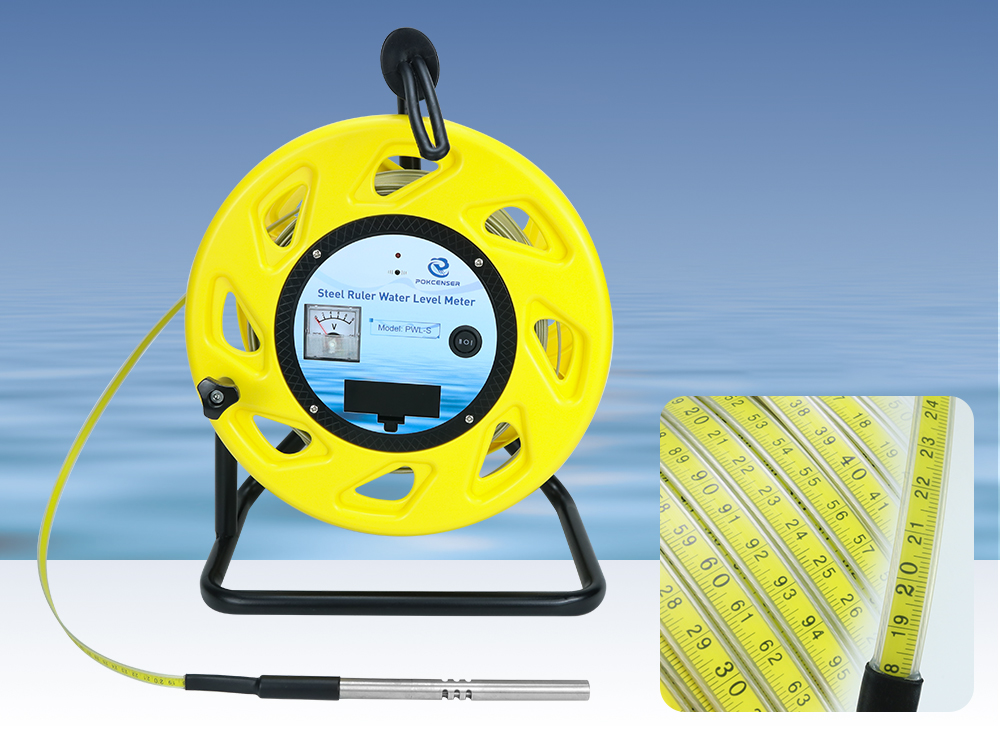
A full view of the steel ruler water level meter featuring a durable yellow reel and precision probe for groundwater depth measurement.
Understanding the Steel Ruler Meter for Groundwater Monitoring
A steel ruler meter is a manual groundwater depth measurement tool consisting of a graduated steel tape attached to a reel, with a weighted probe at the end. The tape features clear measurement markings, typically in feet, meters, or both, allowing precise depth readings. Unlike electronic water level meters, steel tape meters require no batteries or calibration, making them ideal for field conditions and long-term reliability.
The fundamental design includes several key components: a durable steel measuring tape (usually 50-300 feet long), a corrosion-resistant weighted probe that detects water contact, a hand-operated reel for lowering and retrieving the tape, and clear graduated markings for accurate readings. Some advanced models feature chalk-coated probes that provide a visible water line mark on the tape.
The primary advantage of steel ruler meters over electronic alternatives lies in their simplicity and durability. They function reliably in extreme temperatures, require minimal maintenance, and provide accurate measurements without the risk of electronic failure. For agricultural water management, environmental monitoring projects, and construction site assessments, these tools offer unmatched dependability.
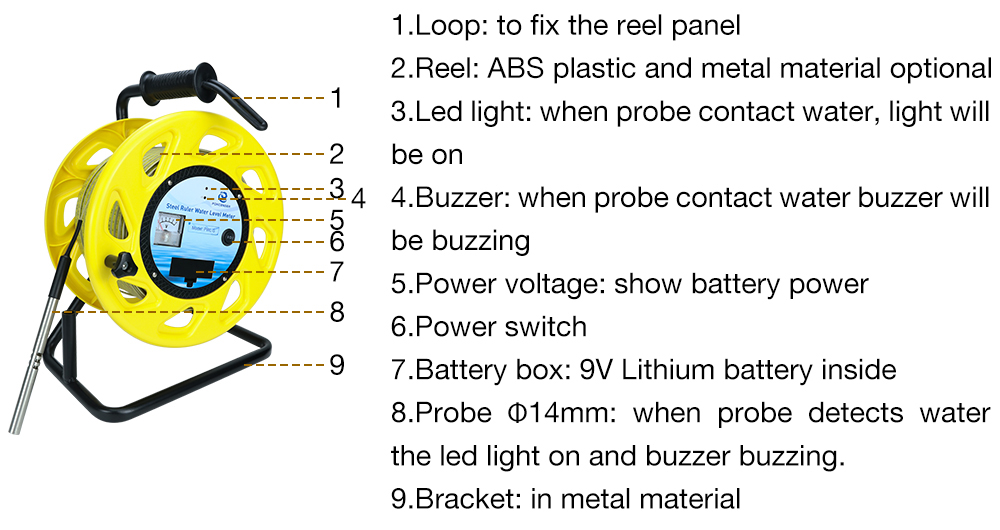
Detailed structural diagram outlining each component of the steel ruler water level meter for easier understanding and maintenance.
Step-by-Step Manual Water Level Measurement Process
Proper manual water level measurement requires careful attention to technique and safety protocols. Begin by securing the well cap and ensuring clear access to the monitoring point. Record preliminary information including date, time, well identification, and previous measurement data for comparison.
Pre-Measurement Preparation with Your Water Depth Gauge
Before lowering your water depth gauge, inspect the steel tape for damage, corrosion, or unclear markings. Clean the weighted probe thoroughly, and if using a chalk-coated model, apply fresh chalk powder to ensure visible water contact marks. Verify that the measuring tape moves freely on the reel without binding or tangling.
Position yourself safely at the well opening with stable footing and adequate lighting. Note the reference point (usually the top of the well casing) from which all measurements will be taken. Consistent use of the same reference point ensures accurate trend analysis over time.
Lowering and Reading Your Groundwater Level Indicator
Slowly lower the steel tape into the borehole, maintaining control through the reel mechanism. The weighted probe will descend smoothly until it contacts the groundwater surface. In chalk-coated systems, you’ll see a distinct “cut line” where the water contacts the tape. For weighted probes without chalk, a subtle resistance or sound change indicates water contact.
Once water contact is confirmed, carefully note the tape measurement at your reference point. Record this depth measurement immediately, including the reference point used. For enhanced accuracy, repeat the measurement 2-3 times and calculate the average.
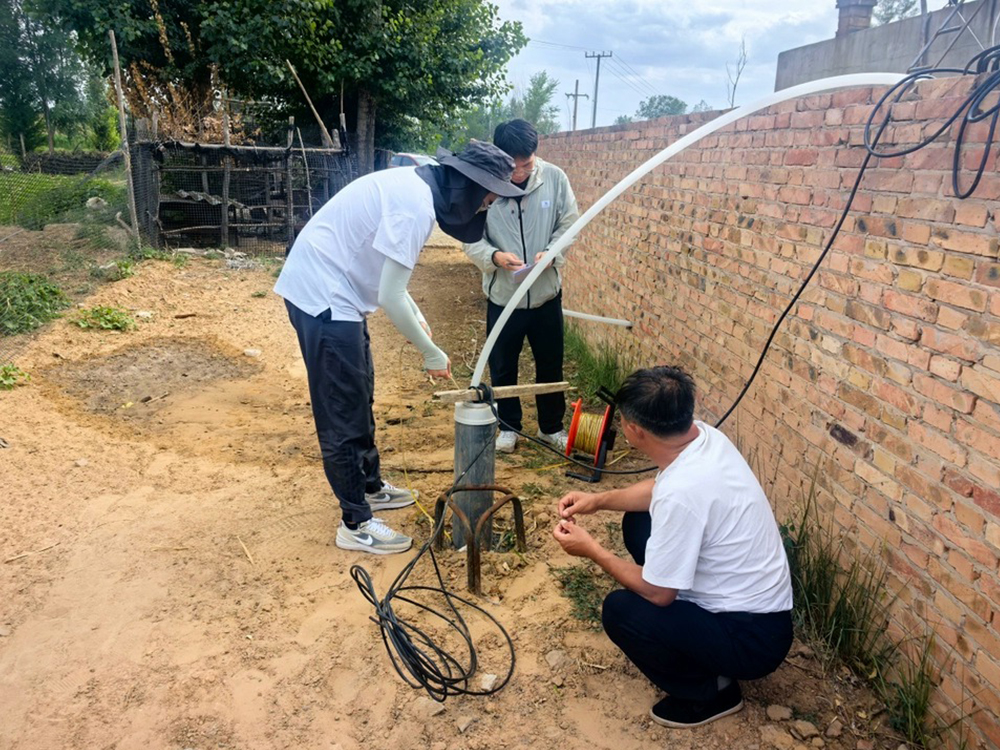
Technicians demonstrate proper field operation of the water level meter during groundwater monitoring at an outdoor well.
Safety Considerations for Well Depth Measurement
When performing groundwater monitoring with any well measurement tool, prioritize safety. Never lean directly over open wells, secure loose clothing and equipment, and wear appropriate protective gear. In areas with potential hazardous gases, use proper ventilation and monitoring equipment before measurement activities.
Best Practices for Accurate Groundwater Assessment with Steel Tape Meters
Achieving reliable subsurface water monitoring results requires attention to several critical factors. Environmental conditions significantly impact measurement accuracy, particularly temperature fluctuations that can cause steel tape expansion or contraction. For the most consistent results, conduct measurements at the same time of day under similar weather conditions.
Regular calibration verification ensures your groundwater level indicator maintains accuracy. Compare readings against a known reference depth or cross-check with another calibrated meter quarterly. Document any discrepancies and adjust your measurement protocols accordingly.
Common measurement errors include misreading graduated markings, inconsistent reference points, tape stretch over time, and probe weight variations. Minimize these issues through careful observation, standardized procedures, and regular equipment inspection. When multiple personnel conduct measurements, establish clear protocols to ensure consistency.
Are you ready to upgrade your groundwater monitoring capabilities? [Discover our professional-grade steel ruler meters designed for accuracy and durability in any field condition.]
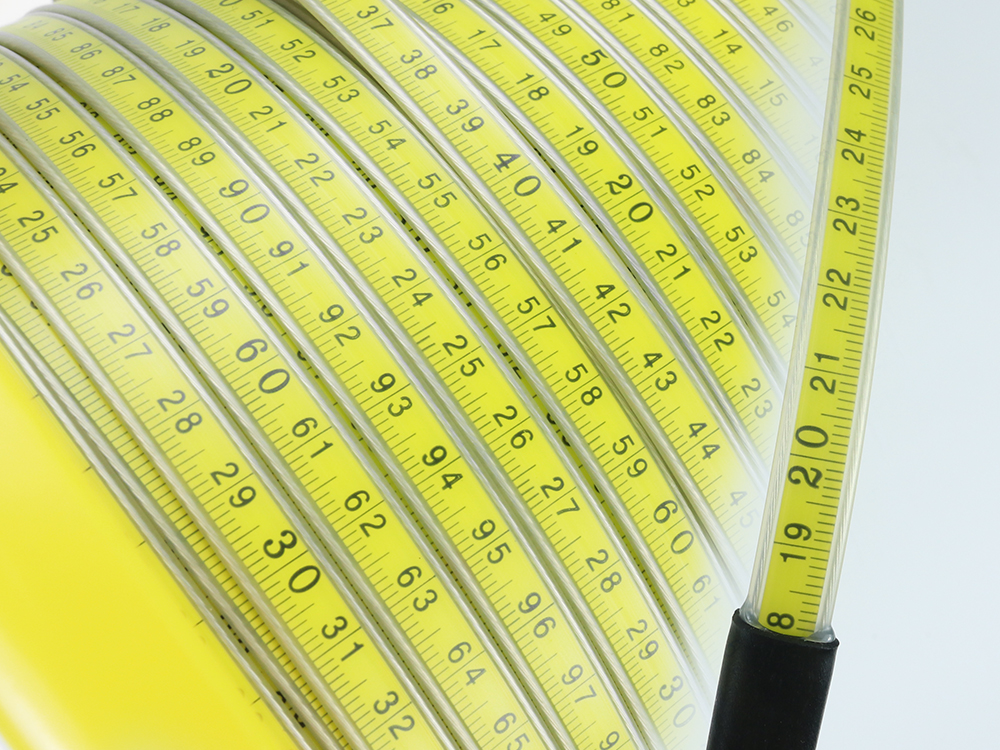
Close-up image of the steel ruler tape, highlighting its clear, corrosion-resistant measurement markings.
Water Table Measurement Applications Across Industries
Manual dip meters serve diverse applications beyond simple water table measurement. Agricultural operations rely on these hydrology measurement tools for irrigation planning, ensuring optimal water resource allocation while preventing over-extraction. Environmental consultants use steel tape meters for contamination monitoring, wetland assessments, and ecological impact studies.
Construction and engineering projects depend on accurate borehole measurement tools during site investigations, foundation planning, and dewatering operations. Mining operations utilize these groundwater depth meters for safety monitoring and water management in underground workings. Municipal water utilities incorporate manual measurement data as backup verification for electronic monitoring systems.
Maintenance and Longevity of Your Steel Ruler Meter
Proper care extends the operational life of your water level meter significantly. After each use, clean the steel tape thoroughly to remove water, sediment, and mineral deposits that cause corrosion. Wipe down the entire length with a clean, dry cloth, and apply a light coating of rust-preventive oil to the tape surface.
Store your equipment in a dry, temperature-controlled environment when not in use. Keep the tape loosely wound on the reel to prevent permanent kinks or stress points. Inspect the weighted probe regularly for damage, as impacts against well casings can affect weight accuracy and water detection capabilities.
Replace worn or damaged components promptly. Signs that replacement is needed include illegible measurement markings, persistent tape binding, probe damage, or corrosion that affects tape flexibility. With proper maintenance, quality steel ruler meters provide decades of reliable service.
Ready to ensure your groundwater data is always accurate? [Contact our technical team for expert guidance on selecting and maintaining the right measurement equipment for your specific needs.]
Mastering Manual Groundwater Measurement
Manual groundwater measurement with steel ruler meters represents a time-tested, reliable approach to subsurface water monitoring. While electronic alternatives offer certain conveniences, the simplicity, durability, and accuracy of steel tape meters make them indispensable tools for professionals across multiple industries. By following proper measurement techniques, maintaining equipment carefully, and understanding the factors affecting accuracy, you can obtain consistent, reliable groundwater data essential for informed resource management decisions.
Whether you’re managing agricultural water resources, conducting environmental assessments, or overseeing construction projects, mastering manual water level measurement with steel ruler meters provides you with dependable data collection capabilities under any field conditions.
Frequently Asked Questions (FAQ)
Q: How accurate are steel ruler meters compared to electronic water level meters?
A: Steel ruler meters typically provide accuracy within ±0.01 feet (±3mm) when properly used, which is comparable to many electronic meters. Their accuracy depends on proper technique, clear tape markings, and consistent reference points rather than electronic calibration.
Q: How often should I calibrate my steel tape meter?
A: While steel tapes don’t require electronic calibration, verify accuracy against a known reference depth quarterly or after any significant impact or damage. Check tape condition and marking legibility before each use.
Q: Can steel ruler meters be used in contaminated groundwater?
A: Yes, steel ruler meters work effectively in contaminated water. However, thoroughly decontaminate the equipment after each use according to applicable protocols, and avoid using them in wells with floating hydrocarbon layers that may damage the tape coating.
Q: What’s the maximum depth I can measure with a steel tape meter?
A: Standard steel ruler meters range from 50 to 300 feet (15-90 meters), with specialized models available for deeper applications. Select tape length based on your deepest monitoring point plus adequate working length.
Q: How do I prevent the steel tape from corroding?
A: Clean and dry the tape thoroughly after each use, apply a light rust-preventive oil coating, and store in a dry environment. Stainless steel tapes offer enhanced corrosion resistance for harsh environments.
Q: What should I do if the weighted probe gets stuck in the well?
A: Never force or jerk the tape. Gently work the probe up and down while slowly retrieving it. If obstruction persists, the well may require professional cleaning or inspection before continuing measurements.

