 English
 Spanish
Online Liquid Analyzers: Enhancing Process Control in Industries
Keeping liquid parameters on target is what keeps plants steady, products consistent, and regulators satisfied. We’ve seen small shifts in pH, conductivity, or dissolved oxygen ripple into bigger issues, so we rely on online analyzers that stream real-time data for timely adjustments. Here’s how these instruments work, where they matter most, the specific technologies available for pH/ORP, TDS/conductivity, dissolved oxygen, and turbidity, and what to weigh when selecting and integrating the right setup—along with the support and certifications that keep systems running reliably.
Understanding the Critical Role of Online Liquid Analyzers in Modern Industrial Processes
Online liquid analyzers sit at the heart of stable operations by continuously measuring liquid properties in real time. Installed directly in process lines, they return immediate feedback that keeps processes under control and performance optimized. By removing the lag of manual sampling and lab analysis, they enable rapid adjustments, avoid costly drift, and keep output consistent.
1. Defining Online Liquid Analyzers and Their Operational Principles
Online liquid analyzers continuously measure and report defined parameters in a live process stream. The specific working principle depends on the parameter, but most rely on a sensor or electrode immersed in the liquid that converts a chemical or physical property into an electrical signal. A controller then processes and displays the result, and can output signals to automated control systems. A pH sensor measures hydrogen ion activity; a conductivity sensor assesses a solution’s ability to carry electric current. Continuous measurements like these support dynamic control.
2. Why Real-Time Liquid Analysis is Indispensable for Industrial Efficiency and Compliance
Real-time monitoring lets operators catch anomalies as they arise and act immediately. Waste drops, energy use tightens, and chemical dosing gets optimized, cutting costs across the board. Continuous data also keeps processes within regulatory limits, avoiding environmental excursions and fines. In Water and Wastewater Treatment and chemical processing, tight control of pH, ORP, and dissolved oxygen is central to both operational reliability and regulatory adherence.
Exploring Diverse Online Liquid Analyzer Technologies for Specific Industrial Needs
The right analyzer depends on the parameter set and the application environment. Pokcenser Automation supplies instruments matched to varied industrial conditions, each technology offering distinct strengths for accurate, dependable monitoring.
1. Precision pH and ORP Monitoring for Chemical Balance and Redox Control
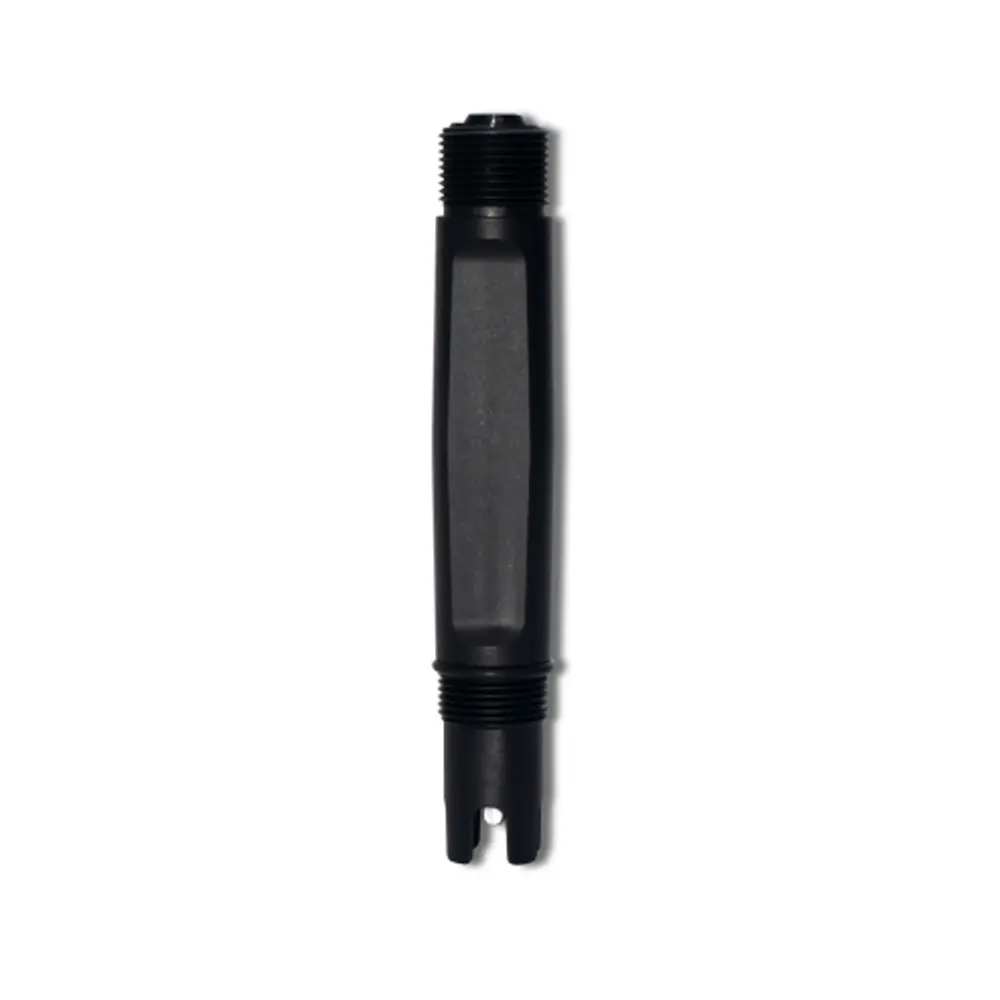
Maintaining precise pH and ORP levels drives chemical reactions, limits corrosion, and supports biological processes. Our pH and ORP sensors deliver accurate, real-time data for these needs. The PCS1753CD Plastic pH Sensor, with its robust PP body and RS485 Modbus RTU output, offers durability and remote monitoring capabilities. It measures pH from 0–14 with ±0.05 pH accuracy and includes NTC10K temperature compensation. Similarly, the PT4000 ORP Controller supports both ORP and pH measurement, featuring an LCD color display, intelligent menu operation, and two relay control switches for high/low alarms. It measures ORP from -2000 to +2000 mV with ±2 mV accuracy and includes automatic or manual temperature compensation. These instruments are suitable for industrial water treatment, environmental sewage monitoring, and various chemical processes.
If you’re interested in understanding the differences between various pressure sensing technologies, check 《Piezoresistive Pressure Sensors vs. Ceramic Pressure Sensors: A Comprehensive Comparison》
2. Accurate TDS and Conductivity Measurement for Water Quality and Impurity Detection
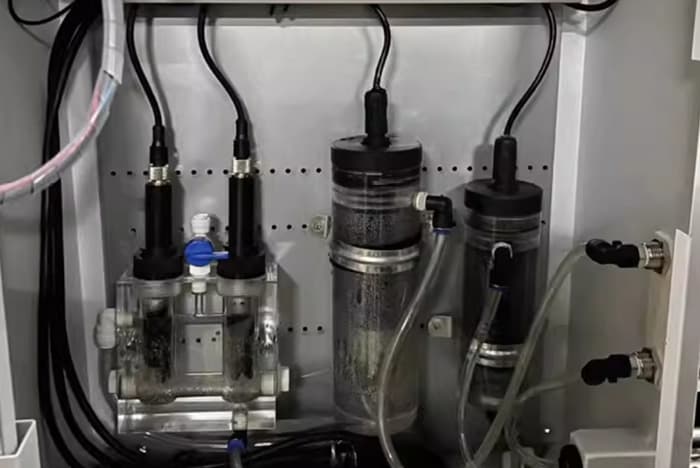
TDS (Total Dissolved Solids) and conductivity measurements are vital for assessing water purity, monitoring industrial processes, and ensuring compliance. The PT6500 Online TDS Meter Controller provides continuous, high-precision monitoring of TDS. It features a full-color multi-line display, data logging, trend charts, and three configurable relay control switches. With 4–20 mA output and RS485 Modbus RTU communication, it is ideal for drinking water, environmental sewage, and electroplating applications. The PCS3740PCD Digital Conductivity TDS Salinity Sensor offers multi-parameter measurement (conductivity, TDS, salinity) with 2 or 4 electrode designs for strong anti-interference. Its 316L stainless steel or graphite wetted parts ensure durability in harsh environments, and it supports RS485 Modbus RTU output.
3. Dissolved Oxygen and Turbidity Analysis for Environmental Compliance and Process Optimization
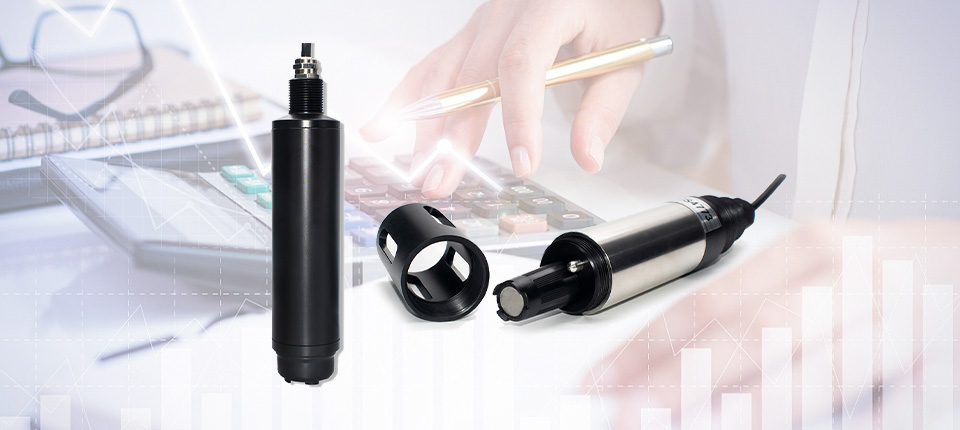
Dissolved oxygen (DO) and turbidity are key indicators of water quality, essential for environmental monitoring and process control. The PCS4773D Digital Dissolved Oxygen Sensor utilizes the polarographic/diaphragm electrode method, offering accurate DO measurements from 0–20 mg/L. It includes built-in temperature compensation and features a robust POM + 316 stainless steel housing with an IP68 rating for harsh conditions. The PCS7820D Digital Turbidity Sensor employs the 90° infrared measurement method, providing high-precision turbidity readings from 0.01–400 NTU. Its durable POM + 316 stainless steel construction and IP68 rating make it suitable for various water applications, including drinking water and environmental sewage. Both sensors offer RS485 Modbus RTU digital output for remote monitoring.
Pokcenser Automation’s Advanced Solutions for Comprehensive Liquid Analysis
Pokcenser Automation has been a sensor manufacturer and solution provider for industrial process control automation for over 10 years. We are committed to delivering high-quality, reliable, and accurate instruments that enhance operational efficiency and compliance across various industries. Our products are approved with CE, ATEX, ISO, and RoHS certificates, reflecting our dedication to quality and safety.
1. How Pokcenser’s Online Analyzers Address Key Industrial Challenges
Our online liquid analyzers deliver precise, real-time data to solve persistent process challenges. With continuous insight, facilities hold setpoints, keep product consistent, and reduce operating costs. In Water and Wastewater Treatment, round-the-clock pH and ORP monitoring prevents chemical imbalances that threaten equipment and the environment. In the Pharmaceutical sector, accurate TDS and conductivity measurements protect water purity standards. Rugged designs, including IP68 ratings and corrosion-resistant materials, support reliable performance in demanding environments.
| Product Category | Key Industrial Challenges Addressed | Pokcenser Solution |
|---|---|---|
| pH/ORP Sensors | Chemical imbalance, corrosion, process control | PCS1753CD Plastic pH Sensor, PT4000 ORP Controller |
| TDS/Conductivity Sensors | Water purity, impurity detection, scaling | PT6500 Online TDS Meter Controller, PCS3740PCD Digital Conductivity TDS Salinity Sensor |
| DO/Turbidity Sensors | Environmental compliance, aeration control, water clarity | PCS4773D Digital Dissolved Oxygen Sensor, PCS7820D Digital Turbidity Sensor |
| Residual Chlorine Sensors | Disinfection effectiveness, water safety | CS5530C Residual Chlorine Electrode and Meter |
2. Key Features and Advantages of Pokcenser’s Water Analysis Instruments
Pokcenser’s water analysis instruments combine clear, full-color multi-line displays with data logging and trend charts for end-to-end process visibility. Multiple automatic calibration functions sustain accuracy, and password protection helps prevent unauthorized changes. Connectivity includes 4–20 mA current output and RS485 Modbus RTU, making integration with control systems straightforward. Durability shows up in material choices, such as titanium alloy wetted parts in the PCS3523 TDS Electrode, for long service life in corrosive applications.
Selecting the Optimal Online Liquid Analyzer for Your Industrial Application
Choosing the right online liquid analyzer requires careful consideration of several factors to ensure it meets specific operational and regulatory requirements. Our team of experts is available to guide you through this process.
1. Critical Factors to Consider When Choosing an Analyzer
When selecting an online liquid analyzer, consider the specific parameters you need to measure (e.g., pH, ORP, TDS, DO, turbidity, residual chlorine). Evaluate the required measurement range and accuracy, as these directly impact process control and compliance. Assess the operating environment, including temperature, pressure, and potential for corrosive media, to ensure material compatibility and instrument durability. Finally, consider integration capabilities, such as communication protocols (4–20 mA, RS485 Modbus RTU) and power supply options, to ensure smooth compatibility with your existing infrastructure.
2. Integration and Support: Ensuring Seamless Operation and Long-Term Value
Reliable integration and ongoing support are key to getting full value from online liquid analyzers. Pokcenser Automation provides expert assistance throughout the entire product lifecycle. Our 6-person pre-sales and after-sales team evaluates your application, recommends suitable solutions, and delivers thorough support. This helps our instruments fit cleanly into your control systems and operate effectively over time. We aim to create value for our clients, contributing to industrial automation worldwide through reliable products and dedicated service.
If you’re interested in learning more about submersible level transmitters, check 《Submersible Level Transmitters: Key Specs to Check First》
Frequently Asked Questions
What types of liquid parameters can online analyzers measure?
Online liquid analyzers can measure a wide range of parameters crucial for industrial processes, including pH, ORP (Oxidation-Reduction Potential), TDS (Total Dissolved Solids), conductivity, salinity, dissolved oxygen (DO), turbidity, and residual chlorine. Pokcenser Automation offers instruments like the PT6500 Online TDS Meter Controller, PCS1753CD Plastic pH Sensor, and PCS4760PD Digital Dissolved Oxygen Sensor to cover these diverse needs.
How do online liquid analyzers contribute to industrial process efficiency?
Online liquid analyzers provide real-time data, enabling immediate adjustments to processes, preventing deviations, and optimizing chemical usage. This leads to improved product quality, reduced waste, lower operational costs, and enhanced compliance with environmental regulations. For example, continuous monitoring with a PT4000 ORP Controller ensures precise chemical dosing in water treatment.
What communication protocols do Pokcenser’s online liquid analyzers support?
Most of Pokcenser Automation’s online liquid analyzers are designed for seamless integration into existing control systems. They commonly support industry-standard communication protocols such as 4–20 mA current output and RS485 Modbus RTU, allowing for remote monitoring, data logging, and automated control. This is evident in products like the PT6500 and PT4000 controllers.
Are Pokcenser’s online liquid analyzers suitable for harsh industrial environments?
Yes, Pokcenser Automation specializes in robust and durable instruments. Many of our sensors and controllers feature IP65 or IP68 waterproof ratings, and are constructed with chemically resistant materials like PP, POM, 316L stainless steel, or titanium alloy. This ensures reliable performance and long operational life in challenging conditions, such as those found in chemical plants or wastewater treatment facilities.
Can Pokcenser provide customized online liquid analysis solutions?
Absolutely. Pokcenser Automation offers OEM&ODM services, leveraging over a decade of experience to provide tailored solutions. Our 6-person pre-sales and after-sales team works closely with clients to evaluate their specific application requirements and recommend or develop the most suitable liquid analysis instruments, ensuring a perfect fit for their industrial processes.

