 English
 Spanish
Optimizing Logistics Fleet Management with Diesel Flow Meters
As a senior industrial automation expert, I recognize the critical need for efficient fuel management in logistics. Fuel costs represent a significant operational expense, and optimizing consumption directly impacts profitability. Implementing advanced diesel flow meters offers a robust solution, providing precise data for informed decision-making and enhancing overall fleet performance. This technology addresses key challenges in fuel tracking and security.
The Critical Challenges in Logistics Fuel Management
Logistics fleets face numerous challenges in managing fuel, a primary operational cost. Inaccurate tracking and unauthorized usage can severely impact financial stability and operational efficiency. We observe that many companies struggle with these issues daily.
1. Understanding the high costs of fuel consumption
Fuel is often the largest variable cost for logistics companies. Fluctuations in fuel prices directly affect profitability, making efficient consumption crucial. Without precise monitoring, identifying and addressing inefficiencies becomes nearly impossible. This lack of visibility can lead to significant financial drains.
2. Addressing fuel theft and unauthorized usage
Fuel theft, both internal and external, poses a substantial threat to logistics operations. Traditional tracking methods often fail to detect siphoning or unauthorized refueling. This results in direct financial losses and undermines trust within the fleet management system. Robust solutions are necessary to mitigate these risks.
3. The impact of inefficient fuel tracking on operational budgets
Inefficient fuel tracking leads to inaccurate budgeting and forecasting. Without reliable data, managers cannot optimize routes, driver behavior, or vehicle maintenance schedules. This directly inflates operational costs and reduces overall competitiveness. We must implement better systems to enhance financial control.
4. Navigating regulatory compliance and environmental concerns
Governments worldwide impose stricter regulations on emissions and fuel efficiency. Logistics companies must comply with these standards to avoid penalties and maintain their social license to operate. Accurate fuel consumption data is essential for reporting and demonstrating adherence to environmental mandates.
How Diesel Flow Meters Revolutionize Fleet Operations
Diesel flow meters provide an advanced solution to these challenges, transforming how logistics fleets manage their fuel. These devices offer unprecedented accuracy and control, leading to substantial operational improvements and cost savings. We leverage this technology to empower our clients.
1. Real-time monitoring for precise fuel consumption data
Diesel flow meters deliver real-time data on fuel consumption for each vehicle. This granular information allows fleet managers to track actual usage against expected performance. The immediate feedback loop helps identify anomalies and areas for improvement promptly.
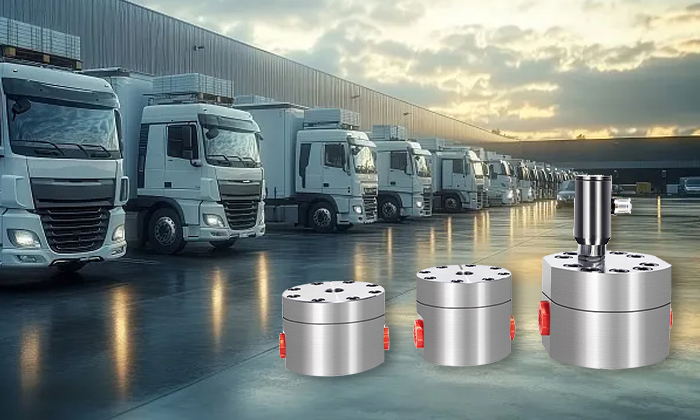
2. Enhancing accountability and preventing fuel fraud
By providing exact measurements, diesel flow meters create a transparent system for fuel usage. This significantly reduces opportunities for fuel theft and unauthorized consumption. Drivers and operators become more accountable for their fuel consumption, leading to behavioral changes.
3. Improving operational efficiency through data-driven decisions
The wealth of data from diesel flow meters enables data-driven decision-making. Managers can analyze consumption patterns, optimize routes, and implement targeted driver training programs. This leads to improved fuel efficiency and reduced operational costs.
4. Contributing to sustainability and reduced emissions
Optimized fuel consumption directly translates into lower carbon emissions. By reducing fuel waste, logistics fleets contribute to environmental sustainability and comply with regulatory requirements. This also enhances the company’s public image and corporate responsibility efforts.
Key Features and Benefits of Advanced Diesel Flow Meters
Modern diesel flow meters incorporate advanced features that enhance their effectiveness and integration into complex fleet management systems. These features ensure reliability and provide actionable insights. We focus on delivering high-performance solutions.
1. High accuracy and reliability in diverse operating conditions
Advanced diesel flow meters offer exceptional accuracy, typically within ±0.5% to ±1.5%. This precision ensures that reported fuel data is reliable for critical business decisions. They are designed to withstand the vibrations, temperature fluctuations, and harsh conditions common in logistics environments. For example, the LZ Metal Tube Flow Meter is robust and suitable for high-temperature and high-pressure applications, ensuring durability.
2. Integration with existing fleet management systems
Seamless integration with existing fleet management software is crucial for maximizing the benefits of diesel flow meters. Many modern meters offer digital outputs like RS485 Modbus RTU, allowing easy data transfer. This ensures that fuel data is part of a comprehensive operational overview.
3. Robust design for harsh logistics environments
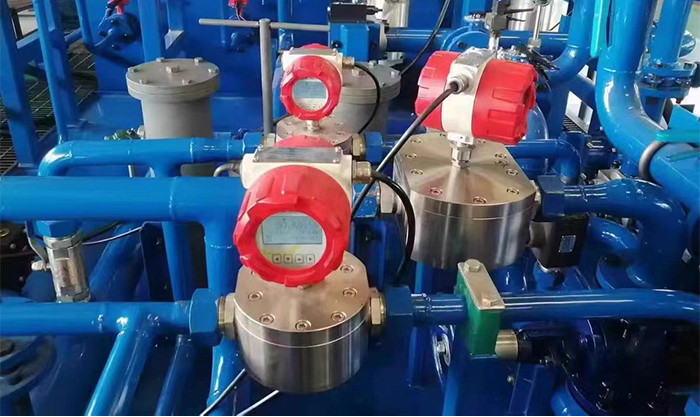
The physical demands of logistics require sensors that can endure tough conditions. Diesel flow meters feature durable construction, often using materials like stainless steel, to resist corrosion and impact. Their robust design minimizes downtime and extends operational life.
4. Data logging and reporting capabilities for comprehensive analysis
Data logging capabilities store historical fuel consumption data, enabling detailed analysis and trend identification. Comprehensive reports can highlight areas of excessive consumption or potential anomalies. This information supports strategic planning and continuous improvement.
Selecting the Right Diesel Flow Meter for Your Fleet
Choosing the appropriate diesel flow meter involves evaluating various factors to ensure it meets specific fleet requirements. The right selection maximizes benefits and minimizes long-term costs. We guide our clients through this critical process.
1. Evaluating different types of flow meter technologies
Several flow meter technologies exist, each with unique advantages. For diesel, positive displacement, Coriolis, and ultrasonic meters are common. Positive displacement meters offer high accuracy for low flow rates, while Coriolis meters provide mass flow measurement, unaffected by density changes. Ultrasonic Flow Meters offer non-invasive installation and high accuracy for a wide range of pipe sizes. Consider your fleet’s specific needs when evaluating these options.
| Feature | Positive Displacement Flow Meters | Coriolis Flow Meters | Ultrasonic Flow Meters |
|---|---|---|---|
| Accuracy | High (±0.5% to ±1%) | Very High (±0.1% to ±0.5%) | High (±0.5% to ±1.5%) |
| Maintenance | Moderate to High | Low | Low |
| Cost | Moderate | High | Moderate |
| Installation | Invasive (in-line) | Invasive (in-line) | Non-invasive (clamp-on) |
| Fluid Viscosity | Good for high viscosity | Good for all viscosities | Good for low to moderate |
| Pressure Drop | Moderate | Low | Very Low |
2. Considering installation requirements and compatibility
Installation flexibility is a key consideration. Some meters require cutting into fuel lines, while clamp-on Ultrasonic Flow Meters offer non-invasive installation. Ensure the chosen meter is compatible with vehicle fuel lines and electrical systems. Ease of installation can significantly reduce initial deployment costs and vehicle downtime.
3. Assessing accuracy, maintenance, and lifespan
Accuracy is paramount for effective fuel management. High-accuracy meters provide reliable data for precise cost control. Evaluate the meter’s maintenance requirements and expected lifespan to calculate the total cost of ownership. Durable meters with minimal maintenance reduce long-term operational expenses.
4. Partnering with a trusted sensor manufacturer and solution provider like Pokcenser Automation
Selecting a reputable provider ensures access to quality products, expert support, and reliable service. Pokcenser Automation offers a decade of experience in industrial process control automation, providing robust sensors and solutions. Our team assists with application evaluation and recommends suitable solutions.
Implementing Diesel Flow Meters: A Step-by-Step Guide
Successful implementation of diesel flow meters requires careful planning and execution. Following a structured approach ensures seamless integration and optimal performance. We outline the key steps for effective deployment.
1. Planning and assessment of fleet needs
Begin by assessing your fleet’s specific needs, including vehicle types, fuel consumption patterns, and existing management systems. Define clear objectives for implementing diesel flow meters, such as reducing fuel costs or preventing theft. This initial planning phase is crucial for a successful rollout.
2. Installation best practices and calibration
Proper installation is essential for accurate readings. Follow manufacturer guidelines precisely, ensuring correct placement and secure connections. Regular calibration maintains meter accuracy over time, guaranteeing reliable data. Our experts can provide guidance on best practices.
3. Data interpretation and system integration
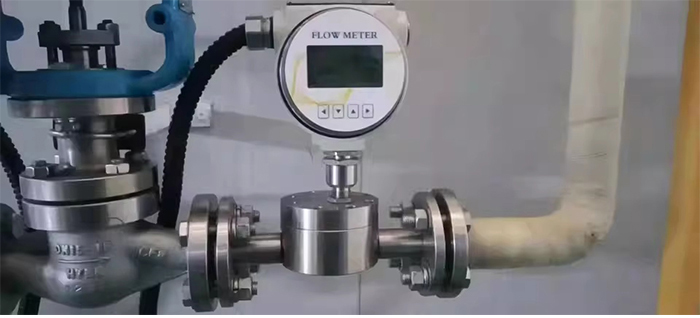
Once installed, integrate the flow meter data with your fleet management system. Train personnel on how to interpret the data effectively. This includes identifying trends, detecting anomalies, and generating actionable reports. Efficient data utilization drives operational improvements.
4. Training and ongoing support for fleet personnel
Provide comprehensive training to drivers, mechanics, and administrative staff on the new system. Ongoing support ensures that any issues are quickly resolved and that the system continues to operate efficiently. This commitment to support maximizes the return on investment.

Unlock Your Fleet’s Full Potential with Pokcenser Automation
Ready to optimize your logistics fleet with precision fuel management? Contact Pokcenser Automation today for expert consultation and customized solutions. Our experienced team will help you select and implement the ideal diesel flow meters to enhance efficiency, reduce costs, and ensure compliance. We are committed to creating value for our clients through long-term cooperation.
Phone: +86 181 7515 5326
Email: in**@*******er.com
About the Author
Li Chengxuan is a senior industrial automation expert at Pokcenser Automation, specializing in the research and application of flow, level, pressure and temperature sensors and industrial process control solutions.
FAQs
1. What are the primary benefits of installing diesel flow meters in a logistics fleet?
Installing diesel flow meters provides numerous benefits, including accurate fuel consumption monitoring, reduced fuel costs, prevention of fuel theft, improved operational efficiency through data-driven decisions, and enhanced compliance with environmental regulations. These advantages contribute to overall profitability and sustainability.
2. How do diesel flow meters help prevent fuel theft?
Diesel flow meters prevent fuel theft by providing precise, real-time data on fuel dispensed and consumed. This transparency makes it difficult for unauthorized individuals to siphon fuel or manipulate records without detection. The system creates accountability for all fuel transactions.
3. Can diesel flow meters integrate with existing fleet management software?
Yes, most modern diesel flow meters are designed for seamless integration with existing fleet management software. They often utilize standard communication protocols like RS485 Modbus RTU, allowing data to be easily transferred and analyzed within your current systems.
4. What types of diesel flow meters are most suitable for heavy-duty trucks?
For heavy-duty trucks, robust and accurate flow meter technologies like positive displacement, Coriolis, or durable Ultrasonic Flow Meters are generally suitable. The choice depends on factors such as required accuracy, installation preferences (invasive vs. non-invasive), and budget.
5. How often do diesel flow meters require calibration or maintenance?
The frequency of calibration and maintenance depends on the specific meter type, manufacturer recommendations, and operating conditions. Generally, annual calibration is advisable to maintain accuracy. Regular checks and cleaning can extend the meter’s lifespan and ensure consistent performance.

