 English
 Spanish
ORP Sensors: Critical Applications and Performance Comparison Guide
Oxidation-Reduction Potential (ORP) measurement sits at the center of dependable industrial process control. It helps keep systems tight and efficient by turning electrochemical behavior into clear, useful numbers. With the right sensors, conditions can be monitored and adjusted precisely across water treatment, chemical manufacturing, and food operations. What follows covers where ORP sensors matter, which performance traits to weigh, how two models compare, and the practical steps that keep readings trustworthy over time.
Diverse Applications of ORP Sensors Across Key Industries
ORP sensors are instrumental in optimizing processes, controlling quality, and ensuring safety across various industrial sectors. Their accurate measurements provide critical data for real-world scenarios. We leverage these sensors to enhance operational performance and regulatory compliance.
1. Water and Wastewater Treatment
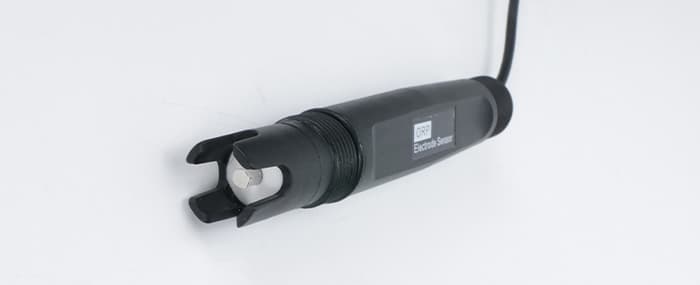
In water and wastewater treatment, ORP sensors are central to monitoring disinfection processes. They ensure adequate oxidant levels for pathogen inactivation and pollutant removal. For instance, in drinking water systems, precise ORP monitoring guarantees water safety. In wastewater treatment, it optimizes chemical dosing for efficient contaminant breakdown. The PCS2701C Plastic ORP Electrode, with its robust PP body and platinum sensitive membrane, offers reliable ORP measurement in these demanding environments.
2. Chemical and Pharmaceutical Manufacturing
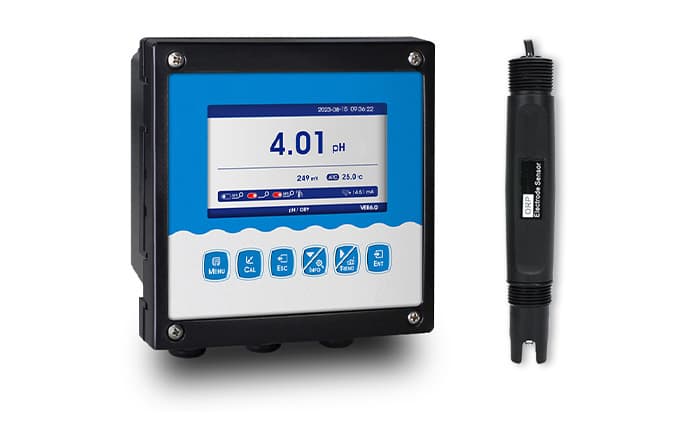
The chemical and pharmaceutical industries rely on ORP sensors for process control and quality assurance. These sensors monitor reactions, ensuring optimal conditions for product synthesis and stability. They are essential in preventing undesirable side reactions and maintaining product purity. The PT4000 ORP Controller provides high-precision monitoring and control for both ORP and pH, making it versatile for complex chemical processes.
3. Food and Beverage Processing
In the food and beverage industry, ORP sensors play a vital role in sanitation and product quality. They monitor disinfection cycles for equipment cleaning, preventing microbial contamination. Accurate ORP measurements help maintain product freshness and extend shelf life. These sensors also ensure compliance with strict hygiene standards.
Key Performance Criteria for Evaluating ORP Sensors
Evaluating ORP sensors requires a focus on several key performance characteristics. These factors directly influence sensor reliability and operational efficiency in industrial settings. We consider accuracy, response time, stability, longevity, and resistance to fouling as paramount.
1. Electrode Material and Design Variations
The choice of electrode material significantly impacts sensor performance. Platinum electrodes offer broad applicability and stability, while gold electrodes are preferred for specific chemical environments. The PCS2701C, featuring a platinum sensitive membrane, is designed for reliable ORP measurement. Sensor design, including flow-through or immersion types, also affects response time and maintenance requirements.
2. Sensor Housing and Environmental Robustness
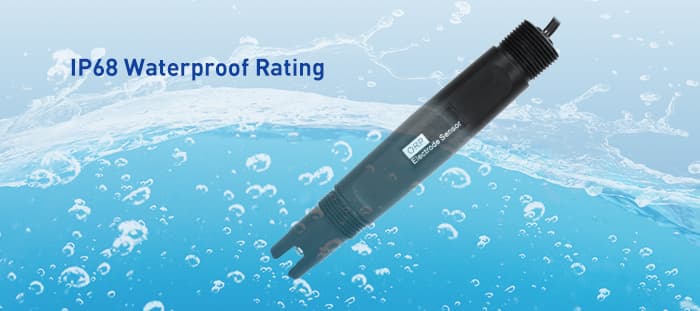
Sensor housing materials and IP ratings dictate suitability for harsh environments. Robust PP (polypropylene) bodies, like those found in the PCS2701C and PCS2700CD Digital ORP Sensor, provide chemical resistance. An IP68 waterproof rating ensures long-term submersion capability. This design protects against corrosion and mechanical stress.
Comprehensive Performance Comparison of Different ORP Sensor Types
We conduct detailed comparative analyses of various ORP sensor technologies and materials. This helps in understanding their strengths, limitations, and optimal use cases. Our selection process considers specific application requirements and environmental conditions.
| Feature | PCS2701C Plastic ORP Electrode | PCS2700CD Digital ORP Sensor |
|---|---|---|
| Body Material | PP (Polypropylene) | PP (Polypropylene) |
| ORP Range | ±1000 mV | ±1000 mV |
| Accuracy | High accuracy | ±3 mV |
| Output | Analog (requires meter) | RS485 Modbus RTU |
| Waterproof Grade | IP68 | IP68 |
| Installation | NPT 3/4″ threaded | NPT 3/4″ threaded |
The PCS2701C is a traditional analog electrode that requires an external ORP meter like the PT4000 ORP Controller. Conversely, the PCS2700CD is a digital sensor with integrated RS485 Modbus RTU output, simplifying direct integration into control systems. Both are designed for long-term reliability in industrial applications.
Strategic Selection and Implementation of ORP Sensors for Optimal Results
Selecting, installing, and maintaining ORP sensors strategically ensures long-term accuracy and performance. We emphasize a holistic approach to sensor management in challenging industrial environments. Proper calibration and troubleshooting are critical for reliable data.
First, identify the specific process requirements, including ORP range, temperature, and chemical compatibility. Next, choose an ORP sensor with appropriate electrode materials and housing for the application. Ensure correct installation to prevent air bubbles or fouling, which can affect readings. Implement a regular calibration schedule using certified buffer solutions. Finally, integrate the sensor with compatible control systems, utilizing its communication protocols for data acquisition and control. For more insights on ensuring accuracy in your measurement systems, consider reading about 《8 Things You Should Know About Diffused Piezoresistive Silicon Sensors》.
Call to Action
Discover how Pokcenser Automation’s 10+ years of expertise in industrial process control can enhance your ORP measurement capabilities. Contact us today for tailored solutions and expert consultation at +86 181 7515 5326 or in**@*******er.com.
FAQs
1. What is ORP and why is it important in industrial applications?
ORP, or Oxidation-Reduction Potential, measures the ability of a solution to oxidize or reduce other substances. In industrial applications, it indicates the cleanliness and disinfecting power of water. Monitoring ORP is vital for ensuring effective sanitation, controlling chemical reactions, and preventing corrosion. It helps maintain product quality and operational safety.
2. How often should ORP sensors be calibrated?
The frequency of ORP sensor calibration depends on the application’s demands and the sensor’s exposure to harsh conditions. In many operations, industrial ORP sensors are calibrated weekly or bi-weekly. However, in highly aggressive chemical environments or applications requiring extreme precision, daily calibration might be necessary. Regular calibration ensures measurement accuracy and system reliability.
3. What factors can affect the accuracy and lifespan of an ORP sensor?
Several factors influence ORP sensor accuracy and lifespan. These include electrode fouling from suspended solids or biological growth, exposure to extreme temperatures or pressures, and chemical attack on the electrode materials. Additionally, reference electrode depletion and improper storage can degrade performance. Regular cleaning, proper storage, and appropriate material selection extend sensor life.
4. Can ORP sensors be used in highly corrosive environments?
Yes, ORP sensors can be used in highly corrosive environments, provided they are constructed with suitable materials. Sensors with robust PP (polypropylene) or PVDF bodies and specialized electrodes (e.g., platinum or gold) are designed to withstand aggressive chemicals. Careful material selection for the wetted parts is essential to ensure longevity and accurate measurement in such conditions.
5. What are the key differences between platinum and gold ORP electrodes?
Platinum and gold ORP electrodes differ primarily in their chemical reactivity and application suitability. Platinum electrodes are more common due to their stability and inertness in many solutions, making them ideal for general water treatment and disinfection. Gold electrodes are typically used in applications involving strong oxidizing agents, such as cyanide, where platinum might be affected. The choice depends on the specific chemical composition of the measured medium.

