 English
 Spanish
Thermal Gas Mass Flow Meters for Optimal Energy Control Solutions
Industrial energy costs keep climbing, and environmental regulations tighten every year. That combination pushes more facilities toward better gas flow measurement. Thermal gas mass flow meters sit at the center of this shift because they deliver the kind of accuracy that actually moves the needle on energy consumption. Getting real numbers from your gas flows changes how you run operations.
Fundamentals of Thermal Gas Mass Flow Measurement
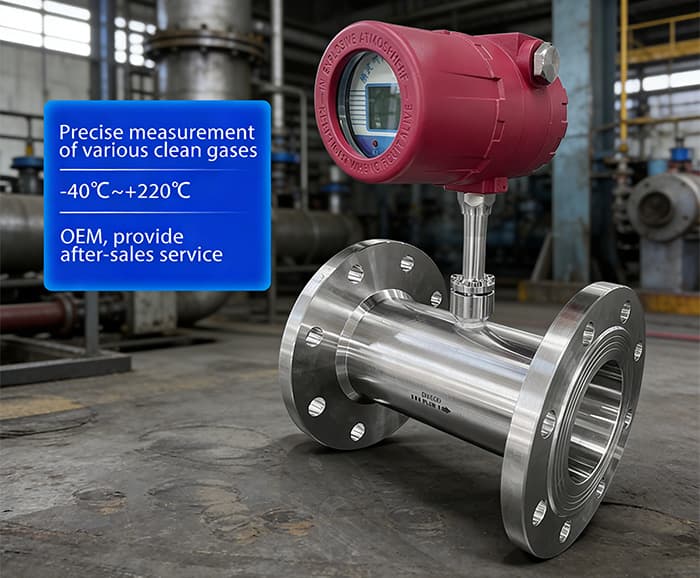
Thermal gas mass flow meters work through thermal dispersion technology. The method measures mass flow directly by detecting heat transfer from a heated sensor to the flowing gas. Unlike volumetric flow meters, thermal mass flow meters skip the need for external pressure or temperature compensation. That simplifies installation and tightens measurement accuracy. The sensor uses two RTD elements: one heated, one unheated as a reference. Gas flowing past the heated sensor carries heat away, creating a temperature differential between the two sensors. That differential corresponds directly to the gas mass flow rate.
How Thermal Mass Flow Meters Improve Energy Efficiency in Industrial Applications
Thermal gas mass flow meters give you direct, accurate mass flow readings of gases. That matters for precise energy accounting and optimization in industrial settings. Monitoring combustion air, compressed air, and other process gases lets facilities spot inefficiencies and catch leaks before they drain resources. The optimization translates to lower operational costs and tighter energy control. Precision at this level allows better management of energy resources, which shows up directly in overall plant efficiency numbers.
Advantages Over Traditional Flow Measurement Technologies
Thermal gas mass flow meters bring several practical advantages over traditional methods. No moving parts means less maintenance and better reliability over time. The design creates low pressure drop across the meter, which cuts energy loss in the pipeline. A wide turndown ratio lets these meters accurately measure gas flow across a broad range of velocities. Direct mass flow measurement capability proves critical for reliable energy control, outperforming volumetric or differential pressure flow meters and vortex flow meters in many applications.
Strategic Applications for Industrial Energy Control
Thermal gas mass flow meters serve diverse industrial applications where precise energy management matters. Their ability to deliver accurate, real-time gas flow data supports critical energy control strategies. Facilities deploy these meters for everything from monitoring combustion air in furnaces to measuring flare gas emissions. That range of use shows why they’ve become important for optimizing energy across industrial processes.
Industries That Benefit Most from Precise Gas Flow Control Using Thermal Meters
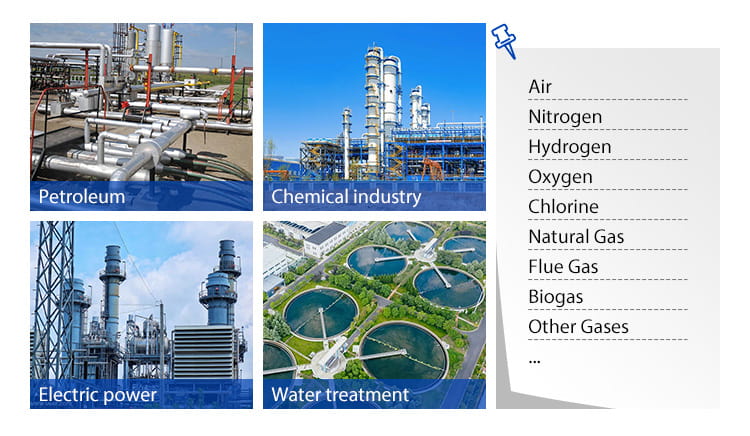
Industries running heavy gas processes or facing strict environmental compliance requirements see the biggest gains. Oil and Gas operations use them for flare gas measurement and custody transfer. Chemical and Petrochemical facilities rely on them for precise process control. Power Generation benefits from combustion air and stack gas monitoring. Food and Beverage applications put them to work for inert gas blanketing. Accurate thermal gas mass flow meters prove valuable for optimizing energy use, maintaining safety, and meeting regulatory standards across these sectors.
Ensuring Accuracy and Reliability in Harsh Environments
Industrial environments throw difficult conditions at measurement equipment. Extreme temperatures, high pressures, corrosive substances. Thermal gas mass flow meters need to handle these harsh environments while maintaining consistent, accurate measurements. Pokcenser Automation builds quality and durability into our designs. Our meters carry CE, ATEX, ISO, and RoHS certifications. Those approvals mean safe, reliable operation even in hazardous area sensors where flammable gases or vapors exist. We focus on robust solutions that hold their accuracy and reliability through extended operational periods. That supports critical energy control and environmental compliance monitoring.
Selecting the Right Thermal Gas Mass Flow Meter
Picking the right thermal gas mass flow meter determines whether you get optimal energy control solutions. Several criteria need evaluation to ensure the meter works effectively in your specific application. Gas composition, expected flow range, operating pressure, and temperature all factor in. Output requirements and installation constraints also shape the decision. Working through these parameters carefully leads to a tailored solution that maximizes efficiency and accuracy.
| Criteria | Description | Impact on Selection |
|---|---|---|
| Gas Composition | Type of gas (e.g., natural gas, air, nitrogen) | Affects heat transfer properties and calibration requirements |
| Flow Range | Minimum and maximum flow rates expected | Determines meter size and turndown ratio needed |
| Operating Pressure | Pressure within the pipeline | Influences sensor design and material compatibility |
| Temperature | Gas temperature and ambient temperature | Affects sensor material and temperature compensation needs |
| Output Requirements | Analog (4-20mA), digital (RS485 Modbus), or relay outputs | Ensures compatibility with existing control systems |
| Installation Type | Inline, insertion, or remote mounting options | Dictates physical design and ease of integration |
Future Trends in Gas Flow Measurement and Automation
Gas flow measurement continues evolving as industrial automation and digital transformation advance. Future developments point toward tighter integration with Industry 4.0 technologies. Enhanced connectivity through the Internet of Things and Artificial Intelligence applications for predictive maintenance are gaining ground. These changes will produce smarter energy management systems capable of real-time data analysis and proactive optimization. Such advances should improve the efficiency and reliability of thermal gas mass flow meters while supporting sustainable industrial practices.
Frequently Asked Questions About Thermal Gas Mass Flow Meters
How do thermal mass flow meters improve energy efficiency in industrial applications?
Thermal gas mass flow meters provide direct, accurate mass flow readings of gases. This is crucial for precise energy accounting and optimization. By monitoring combustion air, compressed air, and other process gases, industries can identify inefficiencies, prevent leaks, and optimize fuel consumption. This leads to significant reductions in operational costs and enhanced energy control. This precision allows for better management of energy resources, directly impacting overall plant efficiency.
What are the key advantages of thermal gas mass flow meters over traditional flow measurement technologies?
Thermal gas mass flow meters offer several distinct advantages. These include direct mass flow measurement without needing external pressure or temperature compensation. They have no moving parts, which reduces maintenance. They also provide wide turndown ratios for accurate measurement across varying flow rates and a low-pressure drop. These features make them highly reliable and cost-effective for achieving optimal energy control in diverse industrial settings compared to volumetric or differential pressure flow meters.
Which industries benefit most from precise gas flow control using thermal meters?
Industries heavily reliant on gas processes or requiring stringent environmental compliance benefit significantly. This includes Oil & Gas for flare gas measurement and custody transfer, Chemical & Petrochemical for process control, Power Generation for combustion air and stack gas monitoring, and Food & Beverage for inert gas blanketing. Accurate thermal gas mass flow meters are essential for optimizing energy use and ensuring safety and regulatory adherence across these sectors.
Are thermal gas mass flow meters suitable for hazardous area applications?
Yes, many thermal gas mass flow meters, including those from Pokcenser Automation, are designed and certified for hazardous area sensors. With certifications like ATEX and CE, these meters ensure safe and reliable operation in environments where flammable gases or vapors may be present. This makes them ideal for critical energy control and monitoring in sectors like oil and gas, and chemical processing.
How does Pokcenser Automation ensure the quality and reliability of its thermal gas flow meters for energy control?
Pokcenser Automation ensures quality and reliability through stringent manufacturing processes and adherence to international standards. Our thermal gas mass flow meters are approved with CE, ATEX, ISO, and RoHS certificates. We leverage over 10 years of experience as a sensor manufacturer and solution provider, offering robust designs and comprehensive pre-sales and after-sales support. This guarantees optimal performance and long-term value for industrial energy control applications.
Partner with Pokcenser Automation for Advanced Flow Solutions
Unlock unparalleled energy efficiency and precise process control with Pokcenser Automation’s advanced thermal gas mass flow meters. With over a decade of expertise, we have delivered more than 150,000 solutions globally. Our dedicated 6-person pre-sales and after-sales team provides one-stop, worry-free services, from application evaluation to long-term support. Contact us today for a tailored solution that contributes to your operational excellence and global industrial automation goals. Phone: +86 181 7515 5326 | Email: in**@*******er.com

