 English
 Spanish
Ultrasonic Level Sensors for Advanced Water Treatment Plant Solutions
Water treatment plants deal with conditions that punish imprecise measurement. Corrosive chemicals, fluctuating flows, solids in suspension—these realities demand sensing technology that holds up and delivers accurate data without constant attention. Getting level measurement right affects everything downstream: chemical dosing, overflow prevention, treatment quality, and ultimately whether a facility meets its discharge requirements.
Precision Level Measurement in Water Treatment Operations
Accurate level measurement sits at the center of effective wastewater management and overall plant performance. When level data drifts or fails, operators face a cascade of problems—chemical dosing goes off target, overflow risks climb, and treatment quality suffers. Ultrasonic level sensors measure without touching the liquid, which matters when you’re dealing with corrosive, turbulent, or debris-laden flows common in water treatment. The technology works reliably across tanks, sumps, clarifiers, and filter beds. Consistent measurement translates directly into stable process control and fewer operational surprises.
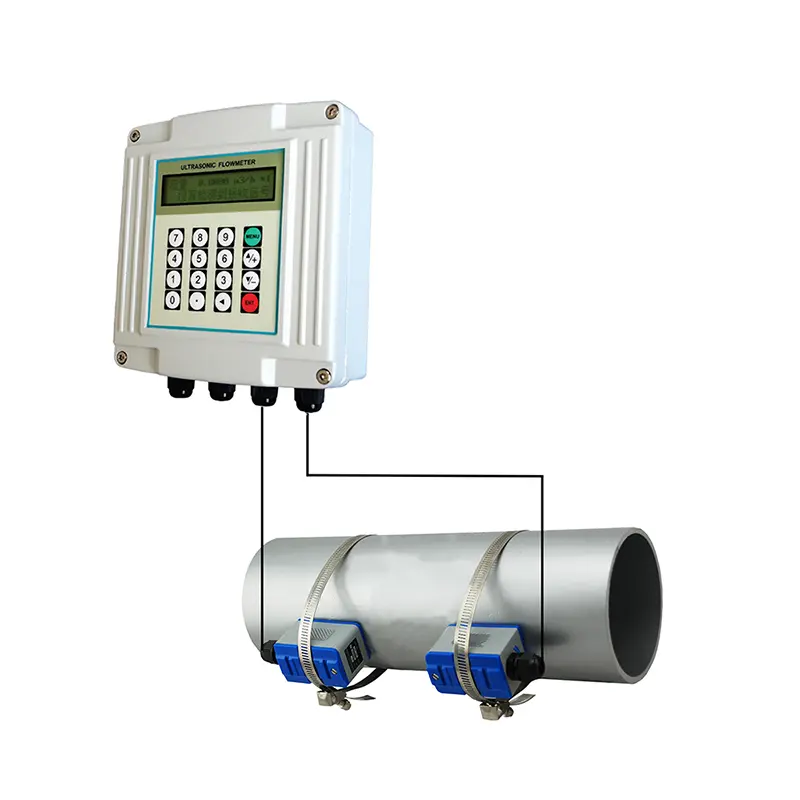
Choosing the right level measurement technology depends on the specific conditions at each measurement point. Here’s how the common options compare:
| Technology | Measurement Principle | Advantages | Disadvantages | Water Treatment Suitability |
|---|---|---|---|---|
| Ultrasonic | Non-contact, sound | High accuracy, no moving parts, versatile | Affected by foam, vapor, temperature gradients | High |
| Radar | Non-contact, microwave | Unaffected by foam, vapor, temperature | Higher cost, complex installation | High |
| Hydrostatic | Submersible pressure | High accuracy, robust, cost-effective | Contact with medium, potential for fouling | Medium-High |
| Float | Mechanical | Simple, low cost, reliable for clear liquids | Moving parts, susceptible to fouling, limited accuracy | Low |
| Capacitive | Contact, dielectric | Good for various liquids, high sensitivity | Affected by coating, complex calibration | Low-Medium |
For a deeper look at how radar and ultrasonic technologies stack up against each other, see our article on 《Radar vs. Ultrasonic Level Sensors: A Selection Guide》.
Operational Benefits of Ultrasonic Sensing in Water Facilities
Ultrasonic sensors bring practical advantages that show up in operating budgets and day-to-day reliability. Because they measure without contacting the liquid, they avoid the corrosion and fouling problems that plague submersible instruments in wastewater applications. Maintenance intervals stretch out. Sensor life extends. The precision these sensors deliver allows operators to dial in chemical dosing more accurately, avoiding both waste and undertreatment. Chemical costs drop while treatment consistency improves.
How do ultrasonic level sensors improve water treatment plant efficiency?
These sensors feed continuous, real-time data to control systems, letting operators hold optimal levels through each process stage. Precise level information enables tighter chemical dosing control, cutting consumption and costs. The non-contact design means less wear, fewer calibration drifts, and reduced downtime for maintenance or repairs. Plants run more continuously with more consistent output quality.
Ensuring Reliability and Accuracy in Challenging Environments
Water treatment facilities are hard on instruments. Corrosive atmospheres, turbulent surfaces, temperature swings, and vapor all test sensor performance. Ultrasonic sensors built for these conditions use robust materials and advanced signal processing to maintain accuracy. Digital filtering and echo recognition algorithms extract valid readings even when foam or vapor complicates the acoustic path. Internal automatic temperature compensation keeps calibration stable across operating conditions. This engineering focus on durability means operators get reliable data from sensors that don’t demand constant attention.
What are the key benefits of using ultrasonic sensors for level monitoring in harsh water environments?
The non-contact measurement approach prevents fouling from suspended solids or corrosive substances, which dramatically reduces maintenance demands. These sensors handle turbulent surfaces and can be configured to compensate for foam, maintaining accurate level data through conditions that would defeat contact-based instruments. The result is reliable operation with minimal manual intervention and better overall system uptime.
Compliance and Environmental Stewardship with Advanced Sensors
Precise level data supports environmental compliance and sustainable operations in tangible ways. Accurate monitoring prevents the overflows and spills that trigger regulatory penalties and environmental damage. Optimized chemical usage reduces the treatment process footprint. The detailed measurement records these sensors provide support regulatory reporting with verifiable data. Plants that invest in measurement accuracy find it easier to demonstrate compliance and maintain their operating permits.
The PWL-U201 and PWL-U202 ultrasonic level sensors demonstrate what’s achievable with focused engineering. The PWL-U201 features an extremely small blind zone (less than 0.06–0.15 m) and ±1 mm accuracy, making it well-suited for liquid level measurement in smaller tanks and chemical storage. The PWL-U202 offers comparable accuracy and blind zone specifications while adding multi-output options including RS485 Modbus and wireless connectivity. Both models reflect a commitment to reliable, accurate measurement in water and wastewater applications.
Integrating Ultrasonic Sensors for Seamless Process Control
Adding ultrasonic sensors to existing automation systems is straightforward. Standard outputs like 4–20 mA and RS485 Modbus connect readily to SCADA systems and Distributed Control Systems. Digital output options support advanced data analytics, giving operators visibility into trends, predictive maintenance indicators, and optimization opportunities. Real-time level information flows where it’s needed for operational decisions.
How does Pokcenser Automation ensure the reliability and accuracy of its ultrasonic level sensors in water treatment applications?
Pokcenser Automation maintains reliability and accuracy through rigorous quality control backed by more than a decade of experience in industrial process control automation. The company holds CE, ATEX, ISO, and RoHS certifications. A dedicated six-person pre-sales team evaluates each application thoroughly, recommending appropriate solutions or designing custom OEM/ODM configurations when standard products don’t fit the requirement. This application-focused approach ensures sensors integrate properly and perform as expected.
Comparison Chart: Key features of Pokcenser’s ultrasonic level sensors relevant to water treatment.
| Feature | PWL-U201 Small Range Ultrasonic Level Transmitter | PWL-U202 Small Blind Spot Ultrasonic Level Transmitter |
|---|---|---|
| Measuring Range | 1m, 2m, 3m | 1m, 2m, 3m |
| Blind Zone | <0.03–0.15 m | <0.06–0.15 m |
| Accuracy | ±1 mm, ±1.5 mm | ±1 mm, ±1.5 mm |
| Signal Output | Analog, Digital (RS485), Switch, Wireless | Analog, Digital (RS485), Switch, Wireless |
| Housing Material | Cast aluminum and SUS304 | SUS304 stainless steel |
| Protection Level | IP65 (customizable) | IP65 (customizable) |
Frequently Asked Questions
What specific challenges do ultrasonic level sensors overcome in water and wastewater treatment?
Ultrasonic level sensors handle the conditions that defeat other measurement approaches: corrosive liquids, turbulent surfaces, foam, and suspended solids. Non-contact measurement eliminates fouling and wear issues, maintaining consistent accuracy without direct contact with the medium. This reduces maintenance burden and improves reliability in demanding environments.
How do Pokcenser Automation’s ultrasonic level sensors contribute to regulatory compliance in water treatment?
These sensors provide the accurate, reliable data that regulatory compliance requires. Precise level control in tanks, sumps, and clarifiers helps prevent overflows, supports accurate chemical dosing, and generates the measurement records needed for environmental reporting. This measurement precision helps facilities meet discharge standards and avoid penalties.
Can Pokcenser Automation provide customized ultrasonic level sensor solutions for unique water treatment plant layouts?
Yes. Pokcenser Automation’s OEM and ODM capabilities, combined with a dedicated pre-sales engineering team, allow for customized solutions. The team evaluates specific application requirements and can design or configure ultrasonic level sensors that integrate with unique plant layouts and operational needs. The goal is solutions that work for the long term.
Partner with Pokcenser Automation for Advanced Water Treatment Solutions
Improving water treatment plant efficiency and compliance starts with accurate measurement. Pokcenser Automation brings more than ten years of experience, global certifications, and a focus on long-term partnerships to every project. From initial evaluation through installation and ongoing support, the approach is practical and application-focused. Contact us to discuss your specific requirements and see how precision level sensing can strengthen your operations. Email: in**@*******er.com Phone: +86 181 7515 5326

