 English
 Spanish
Vortex Flow Meters: Precision Steam Measurement Solutions
Getting steam measurement right matters more than most people realize. I’ve seen facilities lose thousands in energy costs simply because their flow data was off by a few percentage points. Vortex flow meters have become the go-to solution for these applications, and there are good reasons why. They deliver the precision needed for efficiency gains, cost control, and meeting environmental requirements without the headaches that come with more complex technologies.
How Vortex Flow Meters Actually Work in Steam Applications
The physics behind vortex flow meters traces back to Theodore von Kármán’s work on vortex shedding. Here’s what happens inside the meter: when steam flows past a bluff body (essentially a non-streamlined obstruction), vortices peel off alternately from each side. This creates what’s called a Kármán vortex street downstream. The shedding frequency relates directly to fluid velocity and inversely to the bluff body’s width, a relationship captured by the Strouhal number.
Inside the meter, a shedder bar serves as this bluff body. Steam flowing past it generates pressure fluctuations from those alternating vortices. A sensor, typically piezoelectric or capacitive, picks up these pressure changes and converts the mechanical oscillations into electrical pulses. The pulse frequency corresponds directly to steam velocity. An integrated transmitter then processes these signals to calculate volumetric flow rate.
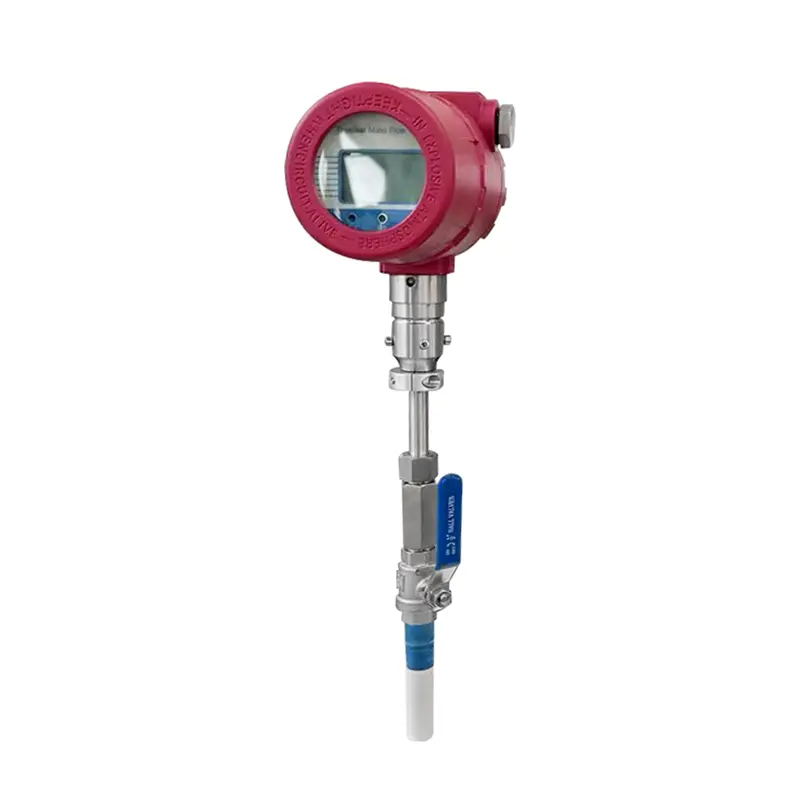
For mass flow measurement, which is what you actually need when steam conditions vary, many modern vortex flow meters include built-in temperature and pressure sensors. These provide real-time density compensation, giving you true mass flow rather than just volumetric readings. This matters because steam density shifts significantly with pressure and temperature changes.
The absence of moving parts gives vortex meters an inherent durability advantage. Nothing wears out from mechanical contact with the steam. The measurement principle itself, based on predictable vortex shedding physics, delivers consistent accuracy in steam flow measurement across varying conditions.
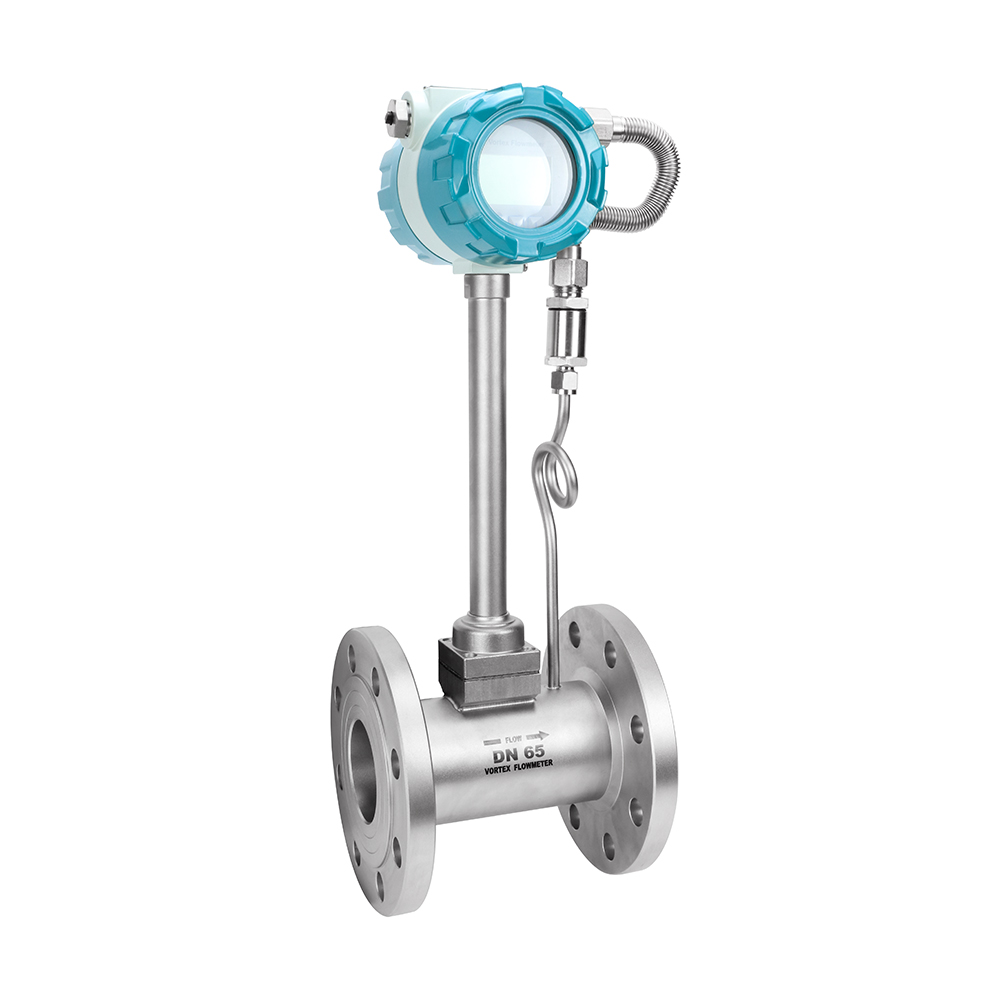
Where Vortex Flow Meters Prove Their Worth in Steam Systems
These meters show up across industries wherever precise steam measurement drives operational decisions. Power generation facilities use them to monitor boiler efficiency, optimizing fuel consumption while keeping emissions in check. Chemical processing plants depend on them for process heating control, maintaining the consistent reaction temperatures that determine product quality. Petrochemical operations rely on accurate steam flow data for distillation columns and heat exchangers.
Large commercial and industrial HVAC systems use vortex meters for steam energy management. This enables accurate billing and smarter distribution of heating resources. Food and beverage manufacturers need precise steam measurement for sterilization and cooking processes, where accuracy directly affects product safety and consistency. Vortex meters handle both saturated steam measurement and superheated steam flow, with construction that tolerates the high temperatures and pressures these applications demand.
Table: Steam Application vs. Meter Type Suitability
| Application Area | Typical Steam Type | Preferred Meter Type | Key Advantage of Vortex Meter |
|---|---|---|---|
| Power Generation | Superheated | Vortex, Orifice | High accuracy, low maintenance |
| Chemical Processing | Saturated/Superheated | Vortex, Coriolis | Wide turndown, robust |
| HVAC Systems | Saturated | Vortex, DP | Cost-effective, stable |
| Food & Beverage | Saturated | Vortex, Coriolis | Hygienic options, reliable |
| Textile Manufacturing | Saturated | Vortex | Handles varying loads |
What Makes Steam Flow Measurement Difficult
Steam presents measurement challenges that trip up many technologies. High temperatures and pressures degrade sensor materials over time. Steam density varies significantly with pressure and temperature changes, making compensation a necessity rather than an option. Condensation can throw off readings, particularly with technologies sensitive to liquid presence. Sudden load changes demand fast response times and wide turndown ratios. Vortex meters address these issues through robust construction and built-in compensation capabilities.
What Sets Vortex Flow Meters Apart for Industrial Steam
The design advantages of vortex flow meters become clear when you consider the operating environment. No moving parts means maintenance-free operation and better reliability in harsh conditions. The flow path design creates minimal pressure drop, reducing energy loss across the measurement point.
Accuracy typically falls within ±1% of reading, which matters when you’re doing energy accounting or tight process control. The wide turndown ratio, often 10:1 to 30:1, allows accurate measurement from low startup flows through peak demands. Vibration resistance keeps performance stable even in mechanically noisy industrial settings. Construction quality translates to sensor longevity and consistent readings over years of service. When you factor in installation and operating costs, vortex meters often deliver the best value for steam metering applications.
Getting Installation, Calibration, and Maintenance Right
Performance depends heavily on proper installation, calibration, and ongoing maintenance. Vortex flow meter installation guidelines exist for good reasons. Sufficient upstream and downstream straight pipe runs allow the flow profile to develop fully, which minimizes measurement errors. Choose a location free from excessive vibration and thermal stress.
Regular flow meter calibration services maintain accuracy over time. This involves comparing meter readings against known standards under controlled conditions. For steam applications, pressure and temperature compensation requires integrating external or internal sensors to correct for density changes. Troubleshooting steam flow meters typically starts with checking sensor condition, wiring integrity, and configuration settings. Preventive maintenance, including periodic inspection of the shedder bar and sensor, catches potential problems early. Following manufacturer recommendations for sensor replacement schedules protects your investment.
How Vortex Meters Stack Up Against Other Technologies
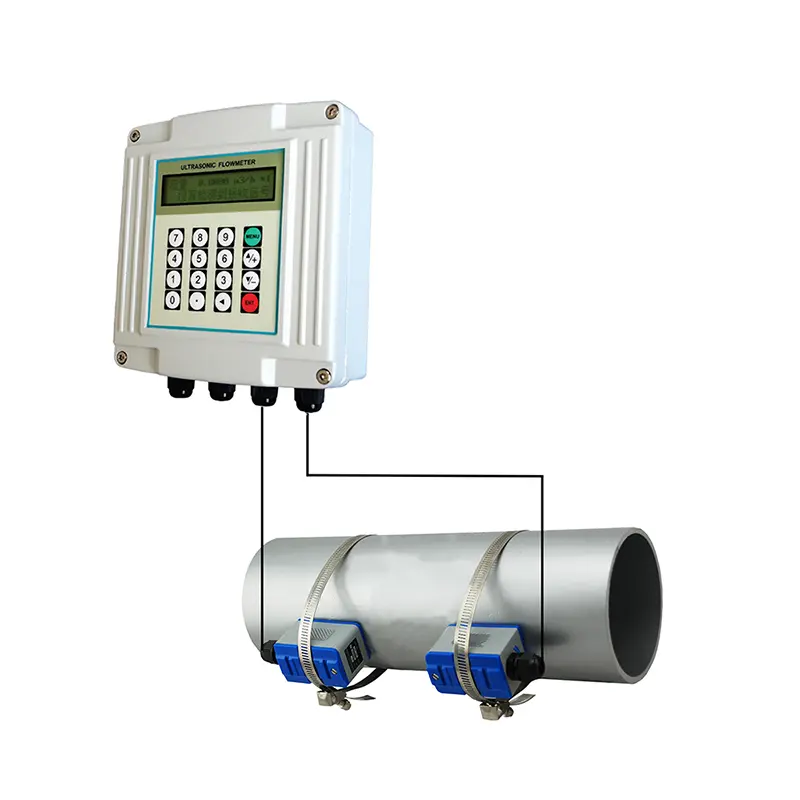
Vortex flow meters hold their own against competing steam measurement approaches. Compared to orifice plates, vortex meters offer wider turndown ratios and lower permanent pressure loss. Differential pressure flow measurement can match accuracy but requires more complex installation and maintenance due to impulse lines. Ultrasonic flow meters for steam applications offer non-invasive measurement but may struggle with steam quality variations and high temperatures. Vortex meters balance accuracy, robustness, and ease of use in challenging steam environments.
Comparison Table: Vortex vs. Other Steam Flow Meters
| Feature/Technology | Vortex Flow Meter | Orifice Plate Flow Meter | Ultrasonic Flow Meter |
|---|---|---|---|
| Accuracy | High (±1%) | High (±1-2%) | Moderate to High (±1-5%) |
| Turndown Ratio | Wide (10:1 to 30:1) | Narrow (3:1 to 5:1) | Wide (30:1 to 100:1) |
| Pressure Drop | Low | High | Very Low |
| Moving Parts | None | None | None |
| Maintenance | Low | Moderate | Low |
| Cost | Moderate | Low | High |
| Steam Quality | Good | Good | Can be affected by wet steam |
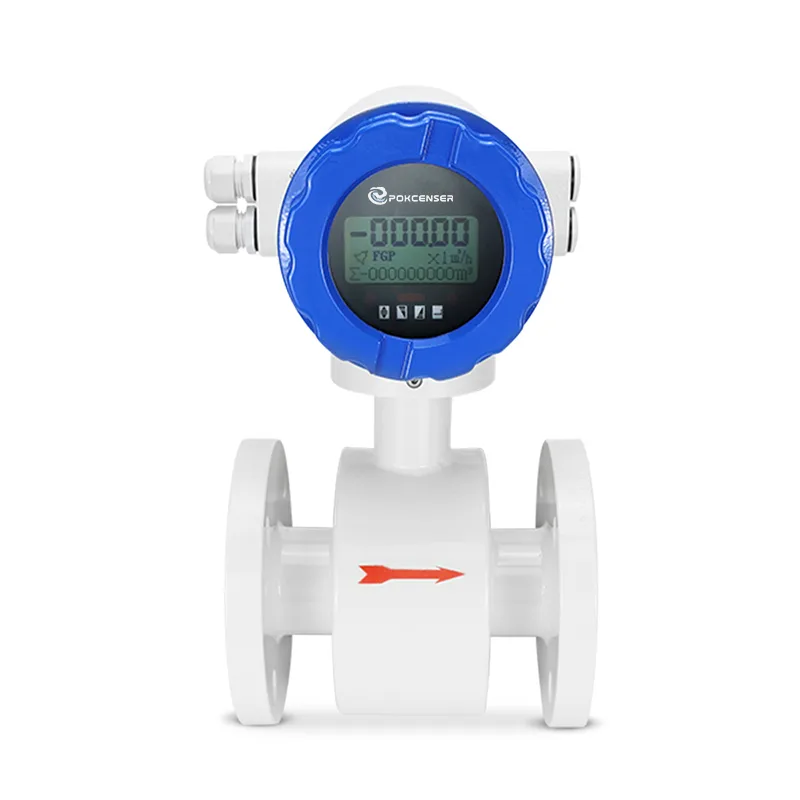
Choosing the Right Vortex Flow Meter for Your Situation
Selecting the appropriate vortex flow meter requires working through several considerations. Start by determining your steam type, whether saturated or superheated, along with operating pressure and temperature. These parameters affect steam density and proper meter sizing. Match the line size flow meter and process connection type to your existing piping. Evaluate accuracy requirements for your specific application, keeping in mind that different models offer varying performance levels.
Consider the process conditions your flow meter will face: minimum and maximum flow rates, condensation potential, and vibration levels. Check that output signals match your control system requirements, whether 4-20mA, Modbus RTU, or other protocols. For hazardous environments, verify appropriate certifications like ATEX or CE. Pokcenser Automation also provides OEM/ODM flow meter solutions for specialized requirements when standard options don’t fit.
Working with Pokcenser Automation on Steam Flow Measurement
Pokcenser Automation brings over a decade of experience in industrial process control automation to steam measurement challenges. Our vortex flow meters carry CE, ATEX, ISO, and RoHS certifications, meeting international quality and safety standards.
Our product range covers flow meters, level sensors, pressure transmitters, temperature sensors, and water analysis instruments. We serve oil and gas, water and wastewater, chemical and petrochemical, and food industries. More than 150,000 solutions have gone to clients across over 100 countries. A dedicated pre-sales and after-sales team handles everything from application evaluation through solution recommendations and ongoing support.
Frequently Asked Questions About Vortex Flow Meters for Steam
What factors should be considered when selecting a vortex flow meter for steam applications?
Start with steam type, whether saturated or superheated, then nail down operating pressure and temperature ranges. Pipe internal diameter determines sizing. Consider your accuracy requirements for the specific application. Process connection type and any hazardous area certifications round out the selection criteria. Getting these factors right ensures the meter performs as expected.
How do vortex flow meters compensate for steam density changes?
Modern vortex flow meters integrate pressure and temperature sensors that provide real-time data. The meter’s electronics use this information to calculate actual steam density on the fly. This mass flow measurement compensation converts volumetric readings into accurate mass flow values. The compensation matters most when steam conditions fluctuate during operation, which happens more often than steady-state calculations suggest.
Why is accurate steam measurement critical in industrial processes?
Steam measurement accuracy affects multiple operational areas. Energy efficiency in steam systems improves when you can identify and reduce waste, which translates to real cost savings. Process control optimization depends on reliable flow data for consistent product quality. Regulatory compliance for emissions and energy consumption requires documented measurement accuracy. Safety systems need accurate data to prevent over-pressurization or supply problems.
For more information on optimizing your steam measurement processes, or to discuss specific application needs, reach out to us. Contact Pokcenser Automation today at +86 181 7515 5326 or in**@*******er.com. Discover how our advanced solutions can enhance your operational efficiency and long-term success.

