 English
 Spanish
Why Monocrystalline Silicon Transmitters Deliver Superior Accuracy?
In process industries where measurement accuracy directly impacts product quality, safety, and profitability, selecting the right instrumentation is critical. Traditional pressure measurement technologies have served industry well for decades, but monocrystalline silicon transmitters represent a quantum leap forward in measurement precision and reliability. By leveraging the unique properties of single crystal silicon, these advanced high accuracy pressure transmitters deliver performance that was once impossible to achieve, making them the technology of choice for demanding applications across petrochemical, pharmaceutical, power generation, and other industries where precision matters most.
Understanding Monocrystalline Silicon Transmitter Technology
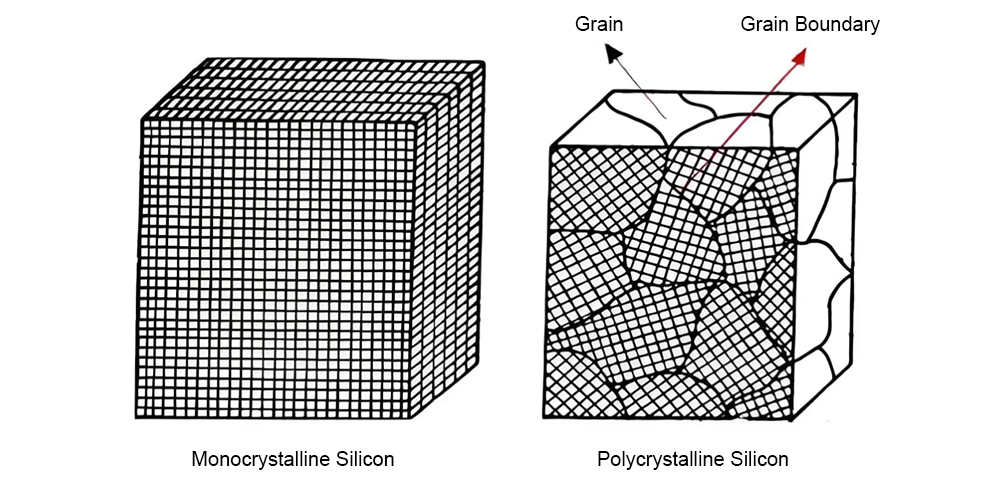
A monocrystalline silicon transmitter is an advanced pressure or differential pressure measuring device that uses a sensing element fabricated from a single, continuous crystal structure of silicon. Unlike polycrystalline or diffused silicon sensors which have grain boundaries and structural irregularities, single crystal silicon has a perfect, uniform atomic lattice structure that provides exceptional mechanical and electrical properties.
This fundamental difference in material structure translates directly into superior measurement performance. Monocrystalline silicon sensors exhibit virtually no hysteresis, exceptional repeatability, and remarkable long-term stability that surpasses conventional sensor technologies by an order of magnitude.
The most advanced monocrystalline silicon pressure transmitters utilize resonant sensor technology, where the sensing element vibrates at a frequency that changes with applied pressure. This frequency-based measurement principle offers inherent immunity to electronic drift and provides digital-quality signals from the sensor itself, making monocrystalline silicon technology ideal for applications requiring the highest levels of accuracy and stability.
How Monocrystalline Silicon Technology Achieves Superior Accuracy
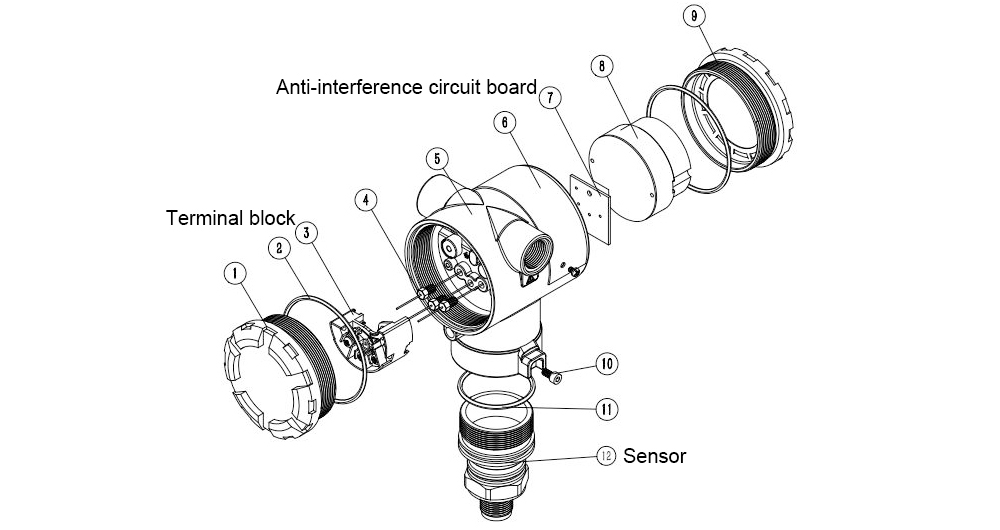
The working principle of monocrystalline silicon transmitters begins with the sensor element—a precisely machined piece of single crystal silicon that acts as a resonating structure. When pressure is applied, the mechanical stress changes the resonant frequency of the silicon element. This frequency shift is measured with extraordinary precision using advanced digital electronics.
Silicon resonant sensors offer several advantages over traditional piezoresistive sensors. Because frequency is measured rather than voltage or resistance, the measurement is inherently digital and immune to electrical noise, temperature-induced drift in electronics, and cable resistance variations. A high stability pressure transmitter using this technology can maintain accuracy specifications for 10+ years without recalibration in many applications.
Temperature compensation in monocrystalline silicon pressure transmitters is achieved through sophisticated algorithms and dual resonator designs. Many advanced models include two resonant sensors—one measuring pressure and temperature, the other measuring only temperature. By comparing these signals, the transmitter achieves exceptional accuracy across wide temperature ranges, typically ±0.04% of span from -40°C to +85°C.
Modern digital pressure transmitters built on single crystal silicon technology incorporate microprocessors that perform real-time compensation for temperature, linearity, and other factors, delivering accuracy specifications of ±0.025% to ±0.075% of calibrated span—3-10 times better than conventional transmitters.
Technical Advantages of Monocrystalline Silicon Transmitter
Precision pressure transmitters based on monocrystalline silicon sensors deliver reference accuracy typically ranging from ±0.025% to ±0.075% of calibrated span, compared to ±0.1% to ±0.25% for conventional transmitters. This 3-10x improvement in accuracy enables tighter process control, reduced product variability, and better regulatory compliance.
Long-term stability is where monocrystalline silicon transmitters truly excel. Traditional sensors may drift 0.1-0.25% per year, requiring frequent recalibration. High accuracy pressure transmitters using single crystal silicon technology demonstrate stability better than ±0.05% over five years—a 5-10x improvement that dramatically reduces maintenance costs and increases measurement confidence.
The perfect crystal structure of monocrystalline silicon provides exceptional repeatability, typically ±0.01% or better. This means measurements remain consistent regardless of whether pressure is increasing or decreasing, enabling precise control of batch processes, custody transfer applications, and quality-critical manufacturing.
Rangeability is another strength of monocrystalline silicon differential pressure transmitters. Many models offer turndown ratios of 100:1 or even 400:1, meaning a single transmitter calibrated for 0-100 bar can accurately measure pressures as low as 0.25 bar. This flexibility reduces inventory requirements and simplifies spare parts management.
Temperature effects are minimized in monocrystalline silicon pressure transmitters through both material properties and advanced compensation. Total error band specifications—which account for all sources of error including temperature—typically range from ±0.1% to ±0.2%, compared to ±0.5% to ±1.0% for conventional transmitters.
Types of Monocrystalline Silicon Transmitters
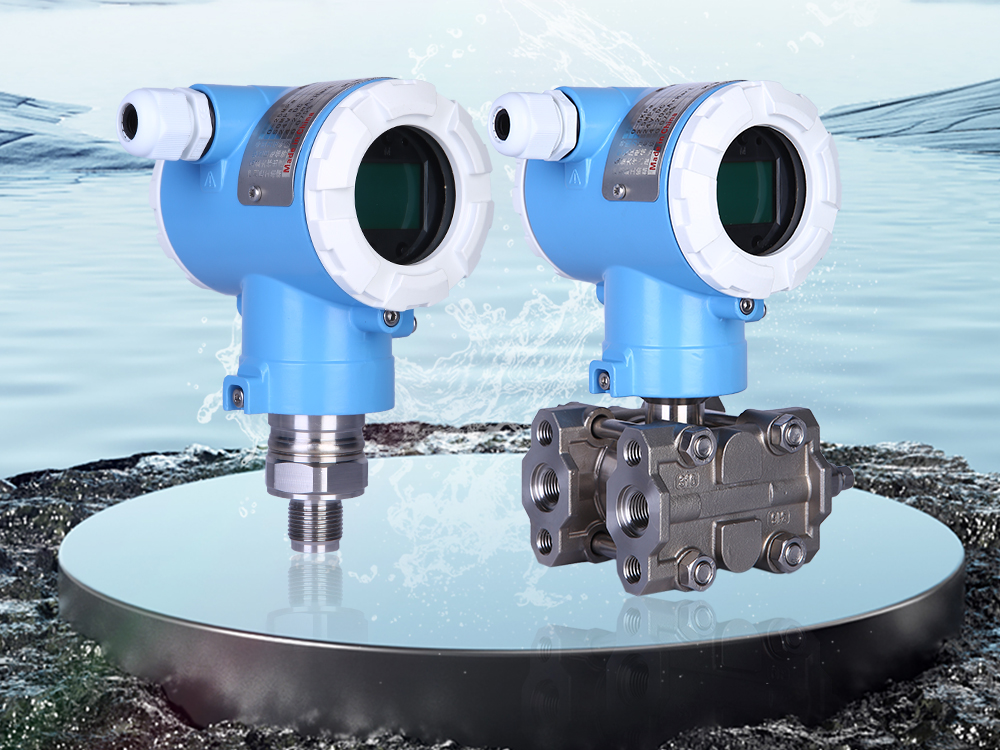
Monocrystalline silicon pressure transmitters are available for gauge, absolute, and sealed gauge pressure measurement. These industrial pressure transmitters handle applications from vacuum to 15,000 psi (1000 bar) with exceptional accuracy. Common uses include reactor pressure monitoring, compressor control, and hydraulic system measurement.
Monocrystalline silicon differential pressure transmitters excel in flow measurement, level measurement in closed tanks, and filter monitoring applications. The superior accuracy of these DP transmitters improves flow measurement uncertainty, enables earlier filter change detection, and provides more reliable tank inventory data.
Smart pressure transmitters combining monocrystalline silicon sensors with advanced diagnostics represent the state-of-the-art in process measurement. These devices continuously monitor sensor performance, detect process anomalies, and predict maintenance needs, transforming transmitters from simple measurement devices into intelligent process monitors.
Specialized versions include sanitary monocrystalline silicon transmitters for pharmaceutical and food/beverage applications, explosion-proof models for hazardous areas, and remote seal configurations for challenging process connections.
Real-World Applications of Monocrystalline Silicon Transmitter
In petrochemical processing, high accuracy pressure transmitters using monocrystalline silicon technology enable precise distillation column control, accurate custody transfer measurement, and reliable safety system inputs. The exceptional stability reduces calibration frequency, lowering maintenance costs while improving measurement confidence.
Power generation facilities—particularly nuclear plants—rely on precision pressure transmitters for safety-critical measurements. Monocrystalline silicon differential pressure transmitters monitor reactor coolant systems, steam generator levels, and turbine control systems where measurement accuracy directly impacts both safety and efficiency.
Pharmaceutical manufacturing demands measurement accuracy and traceability that only monocrystalline silicon transmitters can reliably provide. Batch reactor pressure control, sterile filling operations, and critical process validations benefit from the superior accuracy and long-term stability these transmitters deliver.
Food and beverage production uses single crystal silicon pressure transmitters for applications ranging from carbonation pressure control to aseptic processing. The combination of sanitary design, high accuracy, and stability ensures product quality while meeting stringent regulatory requirements.

Comparing Monocrystalline Silicon with Traditional Technologies
When comparing monocrystalline silicon transmitters with diffused silicon sensors, the difference is stark. While diffused silicon offers good performance at moderate cost, single crystal silicon technology provides 3-5x better accuracy, 5-10x better long-term stability, and significantly lower total cost of ownership when calibration and maintenance are considered.
Capacitive pressure sensors, once considered the gold standard for differential pressure measurement, are being displaced by monocrystalline silicon differential pressure transmitters in high-accuracy applications. Silicon resonant sensors match or exceed capacitive sensor accuracy while offering better overpressure protection, faster response times, and immunity to process material buildup that can affect capacitive sensors.
Traditional strain gauge-based transmitters simply cannot compete with monocrystalline silicon pressure transmitters in applications requiring accuracy better than ±0.1%. The mechanical bonding of strain gauges introduces hysteresis and temperature sensitivity that the monolithic structure of single crystal silicon sensorseliminates entirely.
Factors Affecting Monocrystalline Silicon Transmitter Performance
While monocrystalline silicon transmitters are remarkably stable, proper installation remains important for optimal performance. Mount industrial pressure transmitters in locations with stable ambient temperature and minimal direct sunlight exposure. Vertical mounting with the process connection downward helps prevent moisture accumulation in the electrical enclosure.
Process connection quality matters. Use proper thread sealant compatible with the process medium, and follow manufacturer torque specifications. Over-tightening can induce mechanical stress that affects accuracy, while under-tightening risks leaks. For smart pressure transmitters, ensure proper electrical grounding to minimize electromagnetic interference.
Process medium considerations include compatibility with wetted materials and potential coating or buildup on the sensor diaphragm. Most monocrystalline silicon pressure transmitters feature stainless steel or exotic alloy diaphragms resistant to corrosion, but highly viscous or polymerizing materials may require special configurations or regular cleaning.
Impulse line design affects measurement accuracy in remote-mount applications. Keep impulse lines as short as possible, properly insulate for temperature stability, and slope lines to prevent gas or condensate pockets. For differential pressure transmitters, ensure both high and low-side impulse lines receive identical installation treatment.
Selection and Application Best Practices
Selecting the right monocrystalline silicon transmitter begins with accurately specifying the pressure range. Choose a maximum working pressure within the middle 50-80% of the transmitter’s calibrated span for optimal accuracy. The exceptional rangeability of high stability pressure transmitters means you can often use a single transmitter model for applications with varying pressure requirements.
Accuracy class selection depends on application criticality. For custody transfer, safety systems, and quality-critical control loops, specify ±0.025% or ±0.04% accuracy. For general process monitoring where ±0.1% suffices, the cost savings of slightly lower accuracy specifications may be appropriate.
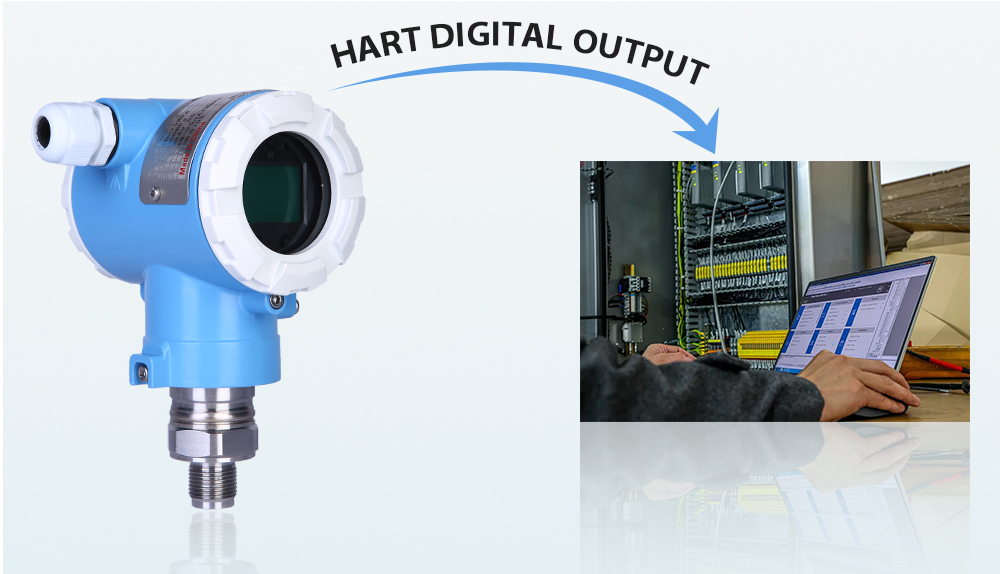
Communication protocol selection increasingly favors digital protocols. While 4-20 mA HART remains common, digital pressure transmitters with Foundation Fieldbus, PROFIBUS PA, or Ethernet/IP provide enhanced diagnostics, remote configuration, and integration with asset management systems. Wireless options using WirelessHART enable installation in locations where wiring is difficult or expensive.
Material selection for wetted components must consider process fluid compatibility. Standard 316L stainless steel suits most applications, but corrosive media may require Hastelloy, Monel, or tantalum. For sanitary applications, specify 316L electropolished finish with tri-clamp connections meeting 3-A standards.
Maintenance and Diagnostic Capabilities of Monocrystalline Silicon Transmitter
One of the greatest advantages of monocrystalline silicon transmitters is their minimal maintenance requirement. The exceptional long-term stability means many installations operate 5-10 years between calibration verifications. When calibration is required, many smart pressure transmitters support remote verification procedures without removing the device from service.
Built-in diagnostics in modern monocrystalline silicon pressure transmitters continuously monitor sensor performance, electronics health, and process conditions. Alerts notify operators of potential issues before they impact measurement accuracy, enabling condition-based maintenance that reduces costs while improving reliability.
Common diagnostic features include sensor drift detection, electronics temperature monitoring, power supply voltage verification, and communication integrity checking. Advanced digital pressure transmitters provide detailed process insights including pressure rate-of-change, statistical analysis, and comparison with predicted values based on process models.
When troubleshooting suspect measurements, use the transmitter’s built-in diagnostics first. Most issues relate to process conditions (plugged impulse lines, process coating), installation problems (improper grounding, mounting stress), or configuration errors rather than sensor failures. The reliability of single crystal silicon sensors means actual sensor failure is rare.
Future Trends in Monocrystalline Silicon Technology
The evolution of monocrystalline silicon transmitters continues toward greater intelligence and connectivity. Next-generation smart pressure transmitters incorporate machine learning algorithms that adapt to specific process conditions, automatically optimizing compensation parameters for maximum accuracy.
Wireless communication is becoming standard in industrial pressure transmitters, with battery-powered monocrystalline silicon sensors operating for years without maintenance. Solar and vibration energy harvesting extends operational life indefinitely for many installations.
Multi-variable measurement represents the next frontier. Single devices combining monocrystalline silicon pressure transmitters with temperature, flow, or density measurement provide comprehensive process information while reducing piping penetrations, simplifying installation, and improving measurement correlation.
Predictive maintenance capabilities enabled by advanced digital pressure transmitters leverage continuous performance monitoring to predict calibration drift, detect developing process issues, and recommend optimal maintenance timing. This transforms transmitters from passive measurement devices into active process optimization tools.
Ready to experience the accuracy, stability, and reliability advantages of monocrystalline silicon transmitter technology? Whether you need high accuracy pressure transmitters for critical control loops, precision pressure transmitters for custody transfer, or monocrystalline silicon differential pressure transmitters for flow measurement, we offer comprehensive solutions backed by expert application support.
Contact our instrumentation experts today to discuss your measurement challenges, receive application-specific recommendations, or request technical specifications and pricing for monocrystalline silicon transmitterstailored to your needs.
FAQs About Monocrystalline Silicon Transmitters
Q: What makes monocrystalline silicon transmitters more accurate than traditional transmitters?
A: Monocrystalline silicon transmitters use a perfect crystal structure without grain boundaries, enabling resonant sensing technology that provides 3-10x better accuracy (±0.025-0.075%) and exceptional long-term stability compared to conventional sensors.
Q: How long can monocrystalline silicon transmitters operate without recalibration?
A: Due to their exceptional stability (typically ±0.05% over 5 years), many monocrystalline silicon pressure transmitters can operate 5-10 years between calibration verifications, significantly longer than conventional transmitters.
Q: What is the difference between resonant and piezoresistive silicon sensors?
A: Silicon resonant sensors in monocrystalline silicon transmitters measure frequency changes rather than resistance changes, providing inherent immunity to electronic drift and superior long-term stability compared to piezoresistive designs.
Q: Are monocrystalline silicon transmitters suitable for high-temperature applications?
A: Most monocrystalline silicon pressure transmitters operate reliably from -40°C to +85°C process temperature. For higher temperatures, remote seal configurations or high-temperature electronics packages extend capability to 200°C+.
Q: What is the typical rangeability of monocrystalline silicon transmitters?
A: High accuracy pressure transmitters using single crystal silicon technology typically offer 100:1 turndown, with advanced models achieving 400:1, allowing one transmitter to accurately measure across a very wide pressure range.
Q: Do monocrystalline silicon transmitters cost more than conventional transmitters?
A: Initial cost is typically 50-100% higher, but monocrystalline silicon transmitters deliver lower total cost of ownership through reduced calibration frequency, fewer spare transmitters needed, improved process control, and enhanced reliability.
Q: Can monocrystalline silicon transmitters be used in sanitary applications?
A: Yes, specialized monocrystalline silicon transmitters with sanitary process connections, electropolished wetted surfaces, and appropriate certifications are widely used in pharmaceutical and food/beverage applications.

