 English
 Spanish
Diaphragm Materials Guide for Pressure Transmitters
In modern industrial processes, especially in chemical, food, and pharmaceutical industries, corrosion remains one of the most critical challenges affecting pressure measurement reliability.
Among all components, the diaphragm material plays a decisive role. It directly contacts the process medium and determines whether a pressure transmitter can maintain accuracy, stability, and long service life.
This guide introduces commonly used diaphragm materials and their typical applications, helping engineers make more informed decisions.
316L Stainless Steel – The Industry Standard
316L stainless steel is one of the most widely used diaphragm materials due to its excellent corrosion resistance and good processability. Its low carbon content reduces the risk of intergranular corrosion, making it suitable for:
- Food & beverage processing
- Pharmaceutical production
- General-purpose industrial applications
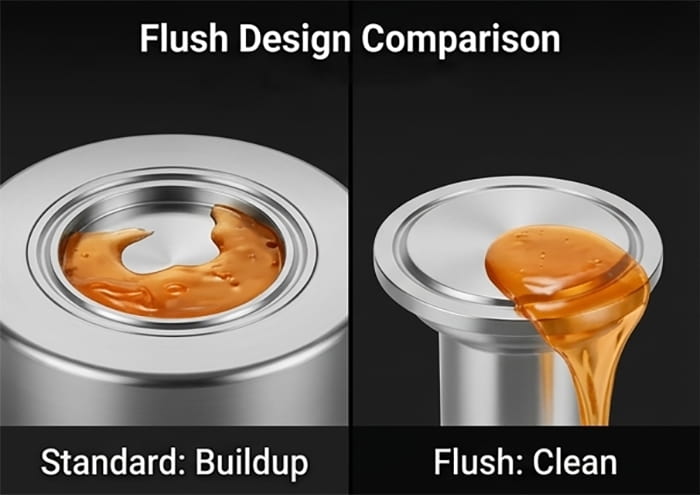
In hygienic environments, diaphragm structure is just as important as material. For example, flush diaphragm designs are often used to avoid residue buildup when measuring viscous or crystallizing media.
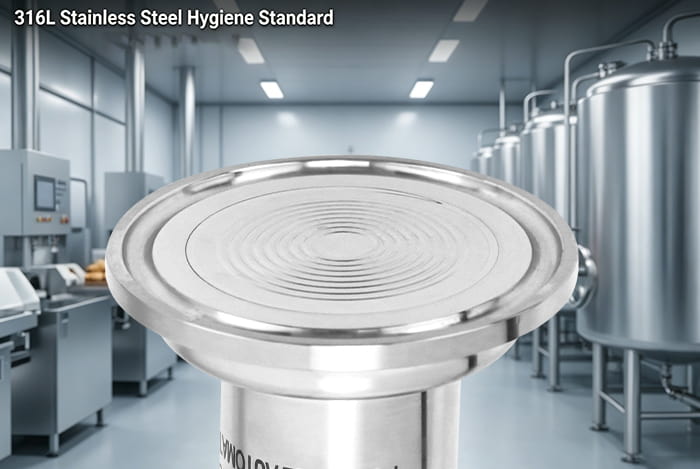
A typical example is the PWP410 Hygienic Pressure Transmitter by Pokcenser, which features a front-flush welded stainless steel diaphragm. This type of structure eliminates dead zones and makes cleaning significantly easier, especially in applications involving paste-like, sticky, or solids-containing media. Such designs are commonly preferred in the food industry where hygiene and cleanability are essential.
904L – Enhanced Resistance for Acidic Media
904L stainless steel offers superior resistance in non-oxidizing acids such as sulfuric, acetic, formic, and phosphoric acids. It also performs well in chloride-containing environments, with strong resistance to:
- Pitting corrosion
- Crevice corrosion
- Stress corrosion cracking
316Ti and 321 – Stability at Elevated Temperatures
- 316Ti improves intergranular corrosion resistance through titanium stabilization, widely used in urea processes.
- 321 provides excellent resistance to high-temperature oxidation and creep, suitable for thermal environments.
304L – Cost-Effective and Versatile
304L is known for its good weldability and corrosion resistance, especially in nitric acid environments. It remains a practical choice where extreme corrosion resistance is not required.
Nickel-Based Alloys – For Harsh Chemical Conditions
Materials such as:
- Hastelloy C-276 / C-22
- Alloy 20
are designed for highly aggressive chemical environments, including mixed oxidizing and reducing media. They are widely used in chemical processing industries where stainless steel is insufficient.
Titanium and Its Alloys – Chloride Resistance Experts
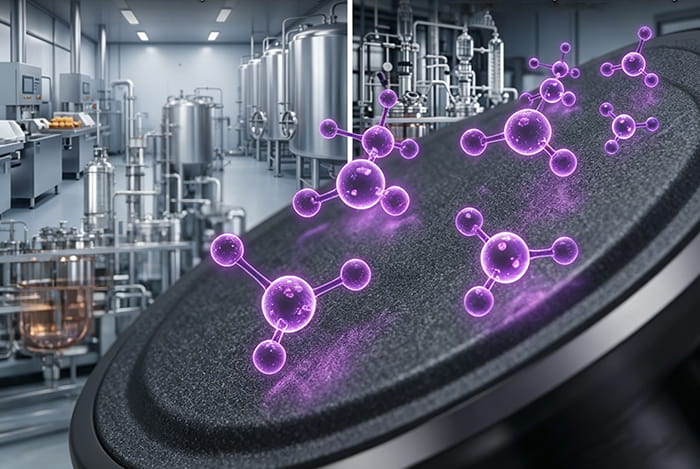
Titanium materials (such as TA9 and TA10) are particularly effective in environments with high chloride concentration, including seawater and desalination systems. They offer:
- Excellent resistance to crevice corrosion
- Strong performance in oxidizing media
Special Metals – Extreme Corrosion Resistance
For highly demanding applications:
- Tantalum – Nearly immune to most acids (except high-temperature limitations)
- Zirconium – Exceptional resistance in strong alkaline environments
These materials are typically used in specialized chemical processes.
High-Performance Alloys for Extreme Conditions
- Monel 400 / 500 – Strong resistance to hydrofluoric acid and alkali
- Inconel 600 / Incoloy 800H – Excellent high-temperature oxidation resistance
Duplex Stainless Steels – Strength Meets Corrosion Resistance
- 2205 Duplex Stainless Steel – Balanced strength and corrosion resistance
- 2507 Super Duplex Stainless Steel – Superior resistance to pitting and chloride attack
Widely used in oil & gas and marine applications.
Choosing the Right Diaphragm Material
Material selection should always be based on actual process conditions:
- Type of medium (acid, alkali, slurry, sanitary media)
- Temperature and pressure
- Chloride content
- Cleaning requirements (especially CIP/SIP in food industry)
In many hygienic applications, material selection and diaphragm structure must be considered together to ensure both corrosion resistance and cleanability.
Understanding diaphragm materials is essential for ensuring the reliability of pressure transmitters in demanding environments. While advanced alloys provide solutions for extreme corrosion, materials like 316L stainless steel remain the backbone of most industrial and hygienic applications.
At the same time, design features such as flush diaphragms demonstrate how engineering details can further enhance performance in real-world conditions.
FAQ
What is the most commonly used diaphragm material?
316L stainless steel is the most widely used due to its balance of corrosion resistance, cost, and versatility.
What is a flush diaphragm pressure transmitter?
It is a transmitter with a flat diaphragm surface that prevents buildup of media, ideal for viscous or hygienic applications.
When should special alloys be used?
In highly corrosive environments where standard stainless steel cannot provide sufficient resistance.
