 English
 Spanish
Ensuring Longevity: Long-Term Maintenance of Liquid Level Sensors
I’ve seen time and again that the steady, accurate behavior of liquid level sensors anchors both process control and safety. When these small devices are ignored, downtime, off-target readings, and avoidable costs follow. Regular care keeps them reliable, stretches their service life, and protects industrial operations from end to end.
Understanding the Importance of Liquid Level Sensor Maintenance
Liquid level sensors are indispensable components across many applications, from chemical processing to Water and Wastewater Treatment::Water and Wastewater Treatment::. Their accuracy directly shapes operational efficiency, product quality, and safety protocols. Skipping upkeep invites problems that escalate quickly.
1. Why Regular Maintenance Extends Sensor Lifespan
Regular maintenance slows wear and tear before it becomes failure. It catches small issues early, preventing them from turning into major breakdowns and meaningfully extending service life. Routine cleaning stops buildup that can obstruct sensing, and consistent checks confirm every component stays within specified parameters.
2. The Impact of Neglect on Operational Efficiency
Neglecting liquid level sensors disrupts operations in costly ways. Inaccurate readings drive incorrect batching, overflow events, or dry-run conditions for pumps. That leads to production losses, higher raw material use, and potential environmental hazards. Unplanned repair downtime compounds the costs and drags on productivity. For example, a faulty sensor in a Chemical Tanks::Chemical Tanks:: could trigger dangerous spills.
3. Key Factors Affecting Sensor Durability
Durability depends on several conditions. The operating environment matters, including temperature swings and corrosive media. Mechanical stress from vibration or impact can erode performance. The liquid itself plays a role, whether abrasive slurries or high-viscosity fluids. Long-term reliability hinges on proper installation and material compatibility.
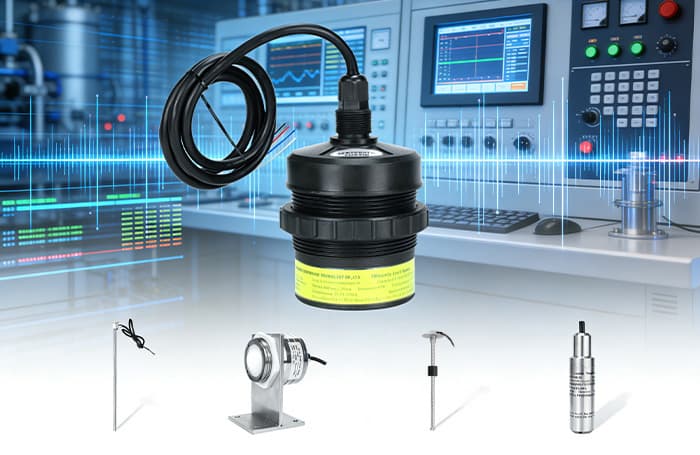
Essential Preventative Maintenance Practices for Liquid Level Sensors
Preventative maintenance underpins continuous, accurate sensor operation. A structured plan reduces surprises and extends equipment life.
1. Establishing a Routine Inspection Schedule
A set inspection rhythm is the backbone of effective maintenance. Schedule intervals based on sensor type, application, and operating conditions. Technicians should visually check for corrosion, physical damage, and material buildup, then verify electrical connections for integrity and proper sealing. Documenting each inspection builds a history that helps predict issues before they surface.
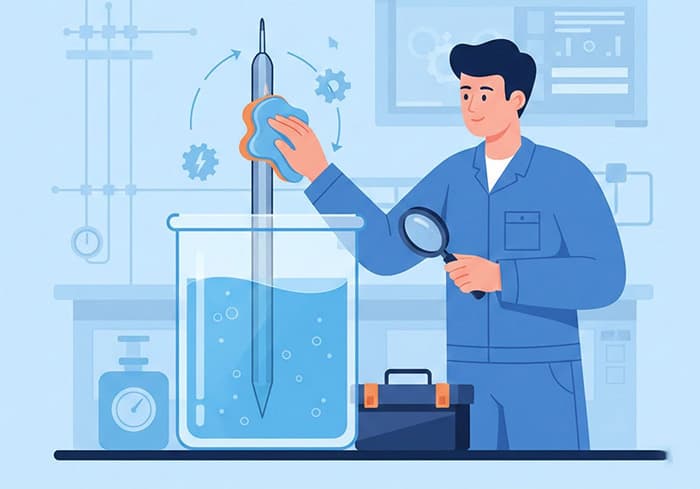
2. Proper Cleaning Techniques for Different Sensor Types
Cleaning must fit the sensor technology and the media involved. Ultrasonic level sensors::ultrasonic level sensors:: benefit from gentle transducer cleaning to remove dust or film. Submersible level transmitters::submersible level transmitters:: need their sensing diaphragm kept clear to avoid fouling. Any chemical cleaning agent has to match sensor materials to prevent damage. Follow the manufacturer’s specific procedures.
| Sensor Type | Common Contaminants | Recommended Cleaning Method | Frequency |
|---|---|---|---|
| Ultrasonic | Dust, film, light buildup | Soft cloth, mild detergent | Monthly |
| Hydrostatic | Sludge, scale, biological growth | Chemical flush, brush (if accessible) | Quarterly |
| Capacitive | Coatings, sticky residues | Solvent wash, mechanical wipe | Bi-monthly |
| Float | Debris, viscous liquids | Manual removal, solvent wash | Quarterly |
| Radar | Condensation, heavy coatings | Air blow, solvent wipe | Semi-annually |
3. Verifying Sensor Calibration and Accuracy
Calibration keeps measurements true. Readings can drift with environmental factors or component aging, so compare the sensor’s output to a known standard and adjust as needed. This holds results within acceptable tolerances. The right interval depends on how critical the application is and how stable the sensor has proven to be.
4. Protecting Sensors from Environmental Damage
Environmental protection has an outsized effect on longevity. Use suitable enclosures to guard against dust and moisture, and sun shields to limit overheating outdoors. In corrosive settings, select resistant materials or apply protective coatings. Proper grounding reduces risk from electrical surges.
If you’re interested, check 《Submersible Level Transmitters: Key Specs to Check First》.
Troubleshooting Common Issues with Liquid Level Sensors
Even with diligent maintenance, issues can arise. A clear troubleshooting approach shortens downtime and restores accuracy faster.
1. Identifying and Resolving Inaccurate Readings
Inaccurate readings usually trace back to a few causes: fouling, calibration drift, or electrical interference. Start by inspecting for obstructions or buildup. Then run a calibration check and adjust if needed. Finally, look into possible EMI sources or grounding faults. Working through these steps methodically reveals the root cause.
2. Addressing Sensor Failure and Intermittent Operation
Failure or intermittent operation points to deeper trouble. Damaged wiring, internal component faults, or harsh environmental stress are common culprits. Begin with a thorough check of wiring and connections for breaks or corrosion. Test the output signal to confirm behavior. If the unit is under warranty, replacement may be the best path. If not, weigh repair versus replacement on cost and risk.
3. Practical Steps for Diagnosing Sensor Problems
Diagnosing sensor problems requires a systematic approach.
1. Review recent maintenance logs for any recurring issues or anomalies.
2. Check power supply and signal integrity using a multimeter.
3. Isolate the sensor from the system to test its functionality independently.
4. Consult the sensor’s technical manual for specific diagnostic procedures.
5. Utilize diagnostic tools provided by the manufacturer, such as software interfaces.
This structured method helps identify problems efficiently.
If you’re interested, check 《Radar vs. Ultrasonic Level Sensors: A Selection Guide》.
Selecting the Right Liquid Level Sensors for Long-Term Reliability
Selecting the right sensor upfront pays dividends in reliability and lower maintenance. Application fit, material compatibility, and design quality all influence performance over time.
1. Considering Application-Specific Requirements for Durability
Every application places its own demands on a sensor. High-temperature environments call for robust construction and specialized materials. Abrasive liquids warrant hardened sensing elements. Matching the sensor to these stresses avoids premature failure and frequent swaps.
2. The Role of Material Selection in Sensor Longevity
Materials determine resistance to corrosion, abrasion, and temperature extremes. Stainless steel (e.g., 316L) delivers strong corrosion resistance for many industrial liquids. Highly corrosive chemicals may require PTFE or PVDF. O-rings and seals must also align with the chemistry to prevent leaks. Careful specification extends sensor life.
3. How Pokcenser Automation Designs for Enduring Performance
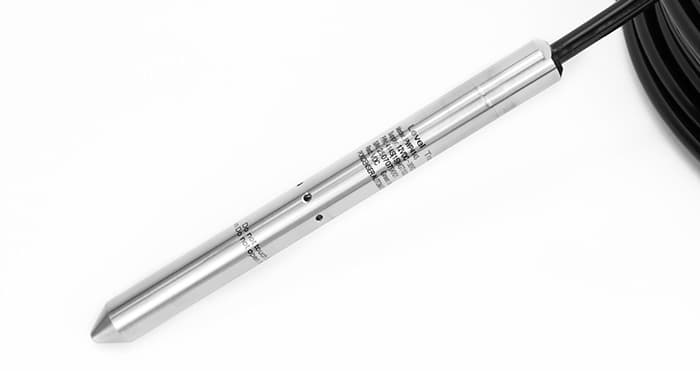
Pokcenser Automation prioritizes enduring performance in our liquid level sensor designs. We use high-grade materials and robust construction techniques for reliability in harsh conditions. Our deep well water level transmitter features IP68 waterproofing and all-stainless-steel construction for long-term submersion. We also provide specialized options for tough environments, including explosion-proof sensors for hazardous areas. The goal is robust, accurate, low-maintenance operation.
Maximizing the Performance and Lifespan of Your Level Sensors
Beyond the basics, a few strategies can push performance and lifespan further by combining better tools, skilled people, and direct manufacturer input.
1. Implementing Advanced Monitoring and Diagnostic Tools
Advanced monitoring delivers real-time visibility into sensor health. Small shifts get flagged early, enabling predictive maintenance. Diagnostic functions, often built into controllers, reveal operating conditions and fault states in detail. For example, the PT6500 Online TDS Meter Controller offers data logging and trend chart display for continuous analysis. This approach reduces surprises and tightens maintenance schedules.
2. Training Personnel for Optimal Sensor Management
Skilled personnel keep sensors performing at their best. Training should cover installation, calibration, cleaning, and basic troubleshooting. With that foundation, technicians can resolve minor issues quickly, stick to schedules, and maintain solid documentation. The result is smoother operation and better safety.
3. Leveraging Manufacturer Support and Expertise
Manufacturers like Pokcenser Automation bring valuable support to the table. We offer detailed technical documentation, specialized training, and responsive service. Our team helps with complex troubleshooting, maintenance planning, and sourcing genuine parts. Tapping into this support keeps sensors at peak performance throughout their lifespan. We are committed to long-term cooperation and creating value for our clients.
If you’re interested, check 《Deep Well Monitoring with Submersible Pressure Transmitters》.
Partner with Pokcenser Automation for Reliable Level Sensing Solutions
Ensuring the longevity and performance of your liquid level sensors keeps industrial operations running smoothly and safely. At Pokcenser Automation, we provide durable, high-quality sensors and full support tailored to your needs. Contact us to discuss your application and see how our expertise can strengthen your process.
Phone: +86 181 7515 5326
Email: in**@*******er.com
FAQs
1. How often should liquid level sensors be calibrated?
Calibration frequency depends on sensor type, application, and required accuracy. Critical services or harsh media may call for quarterly or semi-annual calibration, while less demanding duties may be fine with annual checks. Always use the manufacturer’s guidance alongside historical drift data.
2. What are the signs that a liquid level sensor needs maintenance or replacement?
Watch for erratic readings, total loss of signal, slow response, or visible damage such as corrosion or fouling. Alarms from the control system despite steady liquid levels are another clear sign that attention is needed.
3. Can all types of liquid level sensors be repaired, or are some always replaced?
Many sensors, especially modular designs, allow component replacement. Some sealed or integrated models are built for replacement rather than repair, particularly if the sensing element is compromised. Always weigh the economics of repair versus replacement.
4. How does temperature affect the long-term performance and maintenance of level sensors?
Temperature extremes speed up material degradation and influence electronics. High heat can drive thermal expansion and stress, while low temperatures can cause embrittlement or condensation. Regular checks for thermal stress and proper temperature compensation are necessary.
5. What role does environmental protection play in extending sensor life?
Environmental protection shields sensors from corrosive chemicals, dust, moisture, and temperature extremes. The right enclosures, protective coatings, and mounting locations help prevent premature failure and preserve accuracy, extending operational lifespan.

