 English
 Spanish
Magnetic Float Level Meters for Accurate Oil Tank Monitoring
Keeping oil tank levels exactly where they should be makes operations smoother and people safer, and the difference shows in day-to-day performance. Older monitoring methods miss readings, waste time, and add risk. We’ve seen these challenges up close, which is why we push for better tools. Magnetic float level meters provide a robust, accurate alternative, delivering dependable data for critical decisions.
Understanding the Critical Need for Oil Tank Level Measurement
1. The challenges of traditional oil tank level monitoring
Traditional methods for monitoring oil tank levels create real operational hurdles. Manual dipping exposes personnel to hazardous fumes and potential spills, putting safety on the line. Mechanical float and tape gauges, though common, struggle with friction, wear, and corrosion, which drives inaccurate readings and frequent maintenance. Environmental influences such as temperature swings and vibrations add more error and instability. Those inaccuracies can lead to overfilling or underfilling, causing costly product losses, environmental contamination, and regulatory non-compliance. The absence of real-time data in these older systems also slows inventory management and blocks proactive decision-making.
2. Why accurate level measurement is paramount in oil and gas
Accurate level measurement underpins safety, environmental protection, and financial performance. Reliable data prevents hazardous overfills that can trigger explosions and environmental disasters, protecting personnel and ecosystems. It sharpens inventory management, cutting holding costs and keeping supply chains on schedule. Precise measurements also reduce product loss during transfers and storage, supporting profitability. Regulatory compliance, particularly in hazardous area sensorshazardous area sensors and environmental contexts, mandates dependable measurement systems. Investing in advanced level measurement technologies is not just an upgrade; it’s a strategic imperative.
How Magnetic Float Level Meters Revolutionize Oil Tank Operations
1. Exploring the fundamental working principle of magnetic float level meters
Magnetic float level meters use a straightforward principle built on buoyancy and magnetic coupling. A magnet inside a float moves along a guide tube, rising and falling with the liquid level. Outside the guide tube, a magnetic follower or an array of reed switches tracks the float’s position. As the float’s magnet passes each reed switch, it actuates the switch and changes its electrical state, producing a precise, repeatable indication of liquid level. The system is fully sealed, so the measurement mechanism never contacts the oil, which enhances safety and durability. This design keeps performance steady even in demanding conditions.
2. Key advantages of using magnetic float technology in oil tanks
Magnetic float level meters bring clear advantages to oil tank applications. Their robust construction and sealed design deliver durability and resistance to corrosive media, high pressures, and extreme temperatures. They provide highly accurate, repeatable measurements for inventory control and process optimization. The non-contact nature of the measurement removes mechanical wear and cuts maintenance needs. These meters are inherently safe for hazardous area sensorshazardous area sensors because they do not place electrical components inside the tank, minimizing ignition risk. Their straightforward mechanical principle supports long-term reliability with minimal drift.
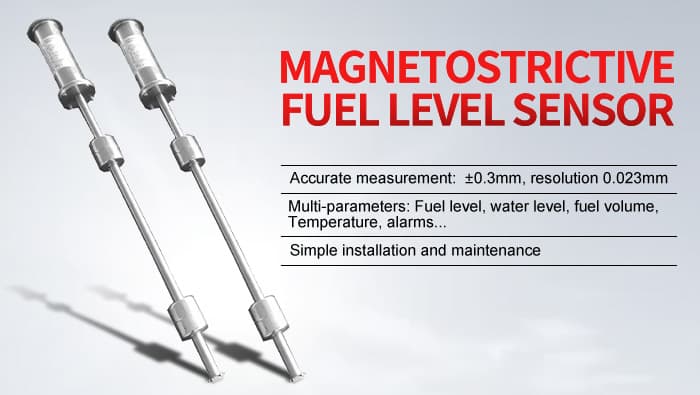
Designing and Selecting Magnetic Float Level Meters for Oil Tank Applications
1. Essential considerations for material compatibility and corrosion resistance
Selecting the correct materials for magnetic float level meters is vital for longevity and performance in oil tanks. The wetted parts, including the float and guide tube, must resist corrosion from crude oil, refined products, and any additives or contaminants present. Common materials include stainless steel (e.g., 316L), Hastelloy, and other exotic alloys, chosen based on the specific chemical composition and temperature of the oil. For example, high sulfur crude oil requires materials with superior resistance to sulfide stress cracking. We carefully assess process conditions to recommend materials that maximize operational life and prevent premature failure.
2. Ensuring safety and compliance in hazardous oil tank environments
Safety is paramount when working with oil tanks that contain flammable and explosive substances. Magnetic float level meters are intrinsically safe due to their mechanical operation, separating the electrical indicator from the tank’s contents. However, proper certification for hazardous area sensorshazardous area sensors (e.g., ATEX, IECEx) is required for any external electrical components, such as transmitters or switches. We ensure that all our solutions meet relevant international and local safety standards, reducing operational risks and providing peace of mind. Proper grounding and installation procedures are also critical to maintain this compliance.
3. Understanding installation methods and maintenance requirements
Magnetic float level meters offer flexible installation options, including top, side, or external chamber mounting. Top-mounted units fit tanks with adequate overhead clearance, while side-mounted options suit tanks with limited access. External chambers, or bypass level indicators, allow maintenance without interrupting the process, which is a meaningful advantage. Maintenance needs stay low thanks to minimal moving parts and robust construction. Regular visual inspections for external damage and occasional calibration checks are usually sufficient. We provide detailed installation guides and support to ensure optimal performance and longevity.
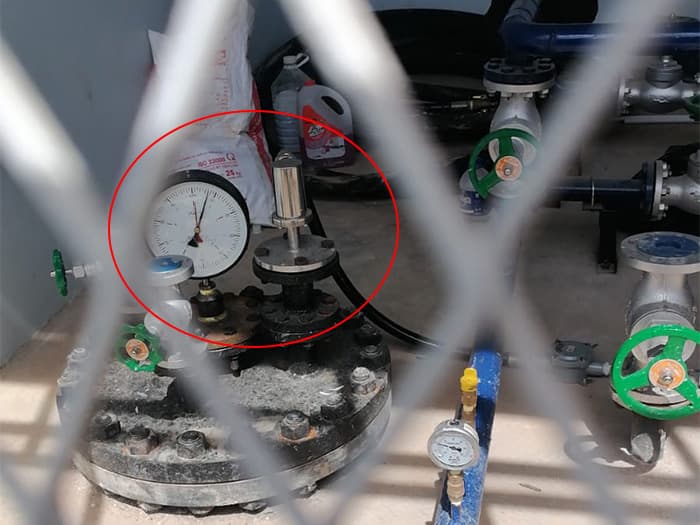
Enhancing Efficiency and Safety with Advanced Level Measurement Solutions
1. Integrating magnetic float level meters with automation systems
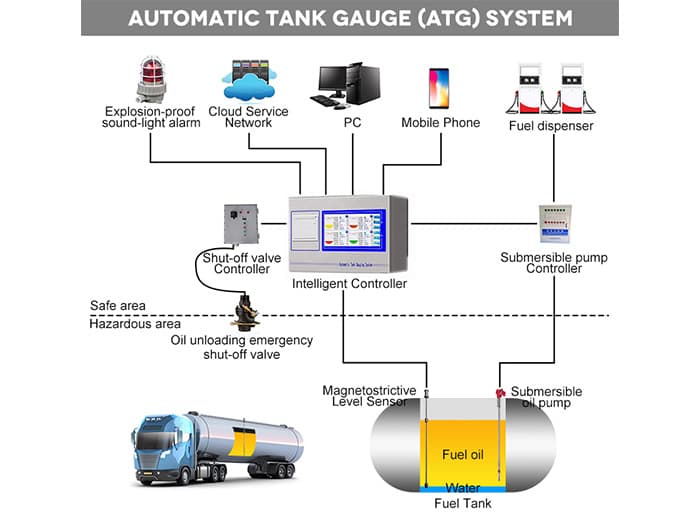
Modern industrial operations expect tight integration of measurement devices with control systems. Magnetic float level meters often come with output options such as 4-20mA analog signals, HART, or Modbus RTU, enabling direct communication with PLCs, DCS, and SCADA systems. This integration supports real-time data acquisition, remote monitoring, and automated control of pumps and valves. By delivering continuous and accurate level data, these meters enable advanced process control strategies, improving efficiency and reducing manual intervention. That connectivity is vital for optimizing operations in complex facilities.
2. Maximizing operational uptime and reducing manual intervention
The reliability and low maintenance of magnetic float level meters directly support maximum uptime. Their robust design lowers the chance of failures, reducing unplanned repairs. Automated data transmission removes the need for manual checks, freeing personnel for other critical tasks and limiting exposure to hazardous environments. This automation also enables proactive maintenance scheduling based on performance data, extending equipment life and preventing costly breakdowns. The result is a more efficient, safer, and more cost-effective operation.
The Future of Oil Tank Level Monitoring and Management
1. Emerging trends and technological advancements in level sensing
Level sensing continues to evolve, with new technologies and enhancements addressing complex industrial demands. While magnetic float level meters remain a reliable choice, advancements in [[Radar level sensorsRadar level sensors]] and [[ultrasonic level sensorsultrasonic level sensors]] provide alternatives for specific applications. Radar technology, for instance, offers non-contact measurement well suited to extremely harsh conditions or limited internal access. Integration with IoT platforms and cloud-based analytics is also gaining ground, enabling predictive maintenance and richer data analysis for optimized tank management. We continuously explore these advancements to provide cutting-edge solutions.
For a detailed comparison of different level sensing technologies, you may find valuable insights in Radar vs. Ultrasonic Level Sensors: A Selection Guide.
Contact Us for Advanced Oil Tank Monitoring Solutions
At Pokcenser Automation, we specialize in reliable and accurate level measurement solutions for the oil and gas industry. Our expertise ensures you receive technology tailored to your specific needs, enhancing safety and efficiency. Contact us today to discuss your requirements and discover how our products can optimize your operations.
Phone: +86 181 7515 5326
Email: in**@*******er.com
FAQs
1. What are the primary benefits of using magnetic float level meters in oil tanks?
Magnetic float level meters offer several key benefits. They provide accurate and reliable level readings, vital for inventory management and preventing overfills. Their robust construction ensures durability in harsh environments, resisting corrosion and high pressures. Additionally, they are inherently safe for hazardous areas, minimizing the risk of ignition.
2. How do magnetic float level meters ensure safety in hazardous oil tank environments?
Magnetic float level meters enhance safety in hazardous environments by utilizing a non-contact measurement principle. The magnetic coupling separates the tank’s contents from external electrical components. This design significantly reduces the risk of sparks or electrical failures that could ignite flammable oil vapors, aligning with stringent safety standards.
3. Can magnetic float level meters be integrated with existing control systems?
Yes, magnetic float level meters are highly compatible with existing control systems. They offer standard outputs like 4-20mA, HART, or Modbus RTU, allowing smooth integration with PLCs, DCS, and SCADA systems. This enables real-time data monitoring and automated process control.
4. What maintenance is required for magnetic float level meters?
Magnetic float level meters require minimal maintenance due to their simple and robust design. Routine visual inspections for external damage and occasional calibration checks are usually sufficient. The sealed construction prevents internal contamination, reducing the need for frequent cleaning or component replacement.
5. Are there specific material considerations for magnetic float level meters in different types of oil?
Yes, material compatibility is vital. The wetted parts must be resistant to the specific type of oil and any contaminants. For example, stainless steel (316L) is common, but more aggressive oils or high temperatures may require specialized alloys like Hastelloy to prevent corrosion and ensure long-term reliability.

