 English
 Spanish
Monocrystalline Pressure Transmitters: Revolutionizing Industrial Process Control
In industrial automation, precise and reliable pressure measurement is critical for safety, efficiency, and product quality. As an industrial automation engineer, I have observed the evolving landscape of pressure sensing technology. Monocrystalline pressure transmitters represent a significant advancement, offering unparalleled accuracy and stability. We will explore their technical superiority and practical benefits across various demanding applications.
Understanding Monocrystalline Pressure Transmitters: A Technological Leap
Monocrystalline pressure transmitters utilize advanced sensor technology, typically incorporating Micro-Electro-Mechanical Systems (MEMS) sensors. These sensors are fabricated from a single crystal of silicon, providing exceptional material uniformity and structural integrity. This single-crystal structure minimizes hysteresis and creep, which are common sources of error in traditional pressure sensors. The result is a highly stable and accurate measurement device, crucial for critical industrial processes.
Traditional pressure sensors often rely on metal diaphragms or ceramic elements. These materials can exhibit greater thermal expansion and mechanical fatigue over time. In contrast, the monocrystalline silicon diaphragm offers superior elasticity and resistance to deformation. This inherent robustness ensures consistent performance even under fluctuating temperatures and pressures. The manufacturing process for monocrystalline sensors involves advanced lithography and etching techniques, allowing for precise control over sensor geometry. This precision contributes directly to the sensor’s high accuracy and repeatability.
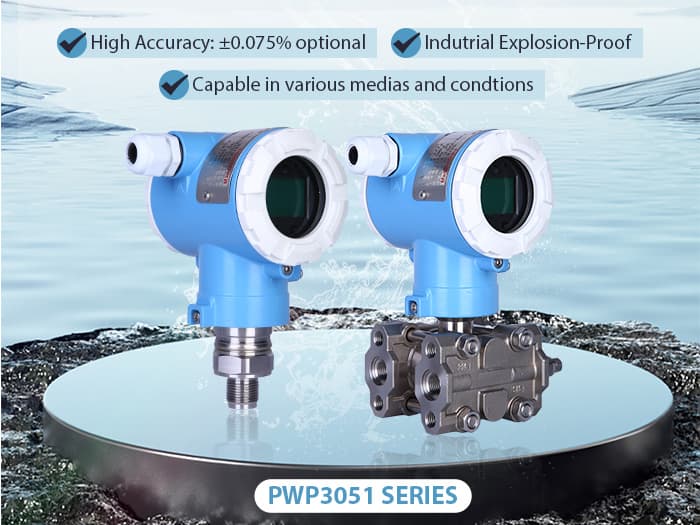
The PWP3051P Intelligent Monocrystalline Silicon Pressure Transmitter exemplifies this technology. It offers high precision and long-term stability, making it suitable for demanding industrial applications. The monocrystalline silicon sensor core provides excellent linearity and minimal drift, ensuring reliable readings over extended periods. This contributes to reduced maintenance requirements and lower operational costs.
The Unrivaled Advantages of Monocrystalline Technology in Industrial Use
Monocrystalline pressure transmitters offer distinct advantages over conventional technologies. These benefits translate into improved operational efficiency, enhanced safety, and reduced costs.
First, monocrystalline sensors provide superior accuracy. Their single-crystal silicon structure ensures minimal material imperfections and consistent mechanical properties. This results in highly precise pressure readings, essential for processes requiring tight control. For example, in chemical processing, even slight deviations in pressure can impact reaction kinetics and product purity.
Second, these transmitters exhibit exceptional long-term stability. The inherent properties of monocrystalline silicon make it highly resistant to drift caused by temperature changes or mechanical stress. This stability reduces the frequency of recalibration, minimizing downtime and maintenance expenses. Many industrial applications demand sensors that maintain accuracy over years of continuous operation.
Third, monocrystalline pressure transmitters offer enhanced durability and reliability. Their robust construction withstands harsh industrial environments, including exposure to corrosive media, high temperatures, and vibrations. This resilience ensures a longer operational lifespan and fewer unexpected failures. This is particularly vital in industries such as oil and gas, where equipment failure can lead to significant safety hazards and financial losses.
Fourth, they provide excellent temperature compensation. Integrated temperature sensors and advanced algorithms ensure accurate pressure readings across a wide operating temperature range. This feature is crucial for applications where ambient or process temperatures fluctuate significantly.
Finally, the digital output options, such as RS485 Modbus RTU, facilitate seamless integration into modern control systems. This allows for remote monitoring, data logging, and advanced diagnostics, further optimizing process control.
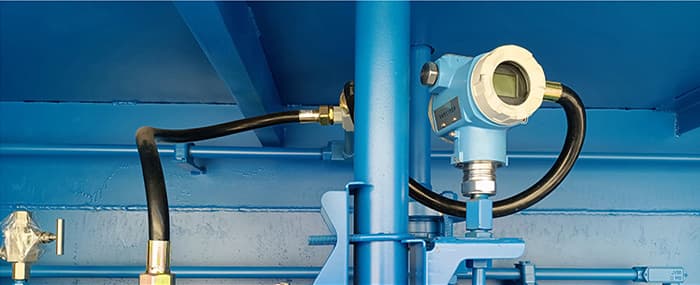
| Feature | Monocrystalline Pressure Transmitters | Traditional Pressure Transmitters |
|---|---|---|
| Accuracy | High (e.g., ±0.075% FS) | Moderate (e.g., ±0.2% FS) |
| Long-Term Stability | Excellent (minimal drift) | Good (some drift over time) |
| Durability | High (resistant to harsh environments) | Moderate (can be susceptible to fatigue) |
| Temperature Compensation | Integrated and highly effective | Often less sophisticated |
| Hysteresis & Creep | Minimal | More pronounced |
| Material | Single-crystal silicon | Metal, ceramic, or others |
| Typical Output | 4-20mA, HART, Modbus RTU | 4-20mA, voltage |
Key Features and Specifications to Consider for Optimal Performance
When selecting a monocrystalline pressure transmitter, several key features and specifications warrant careful consideration. These factors directly impact the instrument’s suitability for a specific application and its overall performance.
- Measurement Range: Determine the required pressure range (e.g., 0-10 bar, 0-600 bar). Ensure the chosen transmitter covers this range with sufficient headroom for process fluctuations.
- Accuracy: Evaluate the specified accuracy (e.g., ±0.075% FS). Higher accuracy is crucial for critical applications where precise control is paramount.
- Output Signal: Confirm compatibility with your existing control system. Common outputs include 4-20mA, HART, and RS485 Modbus RTU. The PWP3051P Intelligent Monocrystalline Silicon Pressure Transmitter offers 4-20mA with HART protocol.
- Process Connection: Select the appropriate thread type (e.g., G1/2, NPT1/2) and material for compatibility with your piping system and process media.
- Wetted Parts Material: Choose materials resistant to the process media to prevent corrosion and ensure sensor longevity. Options include 316L stainless steel, Hastelloy, or Tantalum.
- Temperature Range: Verify the operating temperature limits for both the process and ambient conditions. Monocrystalline sensors typically offer wide temperature compensation.
- Pressure Type: Specify whether gauge, absolute, or differential pressure measurement is needed. For instance, the PWP3051P can measure gauge, absolute, or differential pressure.
- Certifications: For hazardous environments, ensure the transmitter carries relevant certifications such as ATEX or IECEx. This guarantees compliance with safety standards.
- Display: Consider models with local displays for on-site monitoring and configuration, enhancing user convenience.
- Protection Class: An IP65 or IP67 rating ensures protection against dust and water ingress in industrial settings.
For applications requiring precise differential pressure measurement, consider the PWP3051-DR Smart Monocrystalline Dual-Remote Differential Pressure Transmitter. This model offers high accuracy and stability for complex process control.
Diverse Applications of Monocrystalline Pressure Transmitters Across Industries
Monocrystalline pressure transmitters find extensive use across a wide array of industries due to their precision, stability, and robustness. Their advanced technology makes them indispensable in critical measurement and control applications.
In the oil and gas sector, these transmitters monitor pipeline pressures, wellhead conditions, and storage tank levels. Their ability to withstand high pressures and corrosive media ensures reliable operation in harsh environments. This contributes to safe and efficient extraction and transportation processes.
The chemical and petrochemical industries rely on monocrystalline pressure transmitters for process control in reactors, distillation columns, and storage tanks. The sensors’ chemical resistance and accuracy are vital for maintaining product quality and preventing hazardous conditions. They ensure precise control over critical parameters.
If you’re interested, check 《Safety in Hazardous Areas: Using Explosion-Proof Sensors》.
In power generation, particularly in thermal and nuclear power plants, these transmitters monitor steam pressures, boiler levels, and turbine systems. Their long-term stability and high accuracy contribute to efficient energy production and predictive maintenance strategies. This helps optimize plant performance and minimize operational risks.
The pharmaceutical and food industries utilize monocrystalline pressure transmitters in hygienic applications. Sanitary connections and materials like 316L stainless steel ensure compliance with strict regulatory standards. These transmitters monitor pressures in bioreactors, fermenters, and filtration systems, guaranteeing product integrity and safety.
In Water and Wastewater Treatment::https://pokcensertech.com/product-category/solutions/water-wastewater/::, they monitor pump stations, filtration systems, and distribution networks. Their reliability in wet and sometimes corrosive environments is crucial for maintaining water quality and managing resources efficiently. This helps ensure public health and environmental protection.
Furthermore, they are essential in Environmental Monitoring::https://pokcensertech.com/product-category/solutions/hvac/:: for tracking atmospheric pressure, water levels in rivers and lakes, and pressure in air pollution control systems. Their precision supports accurate data collection for environmental assessments and regulatory compliance.
Selecting the Right Monocrystalline Pressure Transmitter for Your Specific Needs
Choosing the optimal monocrystalline pressure transmitter requires a systematic approach. Consider the specific demands of your application to ensure the selected device meets all operational and performance criteria.
- Identify Process Parameters: Define the medium (liquid, gas, vapor), its temperature, pressure, and chemical compatibility requirements. This information guides the selection of wetted parts and housing materials. For corrosive media, materials like Hastelloy or Tantalum might be necessary.
- Determine Measurement Range and Accuracy: Specify the minimum and maximum pressure values and the required measurement accuracy. High-accuracy applications may necessitate a transmitter with a lower full-scale error percentage.
- Evaluate Environmental Conditions: Assess ambient temperature, humidity, vibration levels, and potential exposure to hazardous substances. An appropriate IP rating and explosion-proof certification are crucial for safety in challenging environments.
- Consider Output and Communication Needs: Match the transmitter’s output signal (e.g., 4-20mA, HART, RS485 Modbus RTU) with your control system’s input requirements. Digital communication protocols offer advanced diagnostic capabilities.
- Review Installation Requirements: Determine the mounting method (e.g., threaded, flange, submersible) and available space. Ensure the physical dimensions and connection types are compatible with your existing infrastructure.
- Assess Calibration and Maintenance: Understand the calibration procedures and recommended maintenance intervals. Opt for transmitters with features like automatic calibration to simplify upkeep.
- Consult with Experts: Engage with experienced suppliers or engineers to discuss complex applications or unique requirements. Their expertise can prevent costly mistakes and optimize system performance.
For instance, if you need to monitor Chemical Tanks::https://pokcensertech.com/product-category/solutions/chemicals/::, you would prioritize chemical compatibility and a wide pressure range. If the application involves Water and Wastewater Treatment::https://pokcensertech.com/product-category/solutions/water-wastewater/::, an IP68 rating and corrosion resistance become paramount.
Installation, Calibration, and Maintenance Best Practices for Longevity
Proper installation, regular calibration, and diligent maintenance are crucial for maximizing the lifespan and accuracy of monocrystalline pressure transmitters. Adhering to best practices ensures consistent performance and minimizes operational disruptions.
Installation Guidelines
- Mount Securely: Install the transmitter in a location free from excessive vibration and mechanical stress. Ensure it is easily accessible for maintenance.
- Verify Process Connection: Use appropriate sealing materials and torque specifications for the process connection. Prevent leaks that could compromise measurement integrity.
- Ensure Proper Wiring: Follow manufacturer guidelines for electrical connections. Use shielded cables to minimize electromagnetic interference, especially in industrial environments.
- Consider Environmental Factors: Protect the transmitter from direct sunlight, extreme temperatures, and corrosive atmospheres. Utilize protective enclosures if necessary.
- Vent Properly (for Gauge Pressure): For gauge pressure transmitters, ensure the vent port remains clear and protected from moisture or debris. This maintains accurate atmospheric pressure reference.
Calibration Procedures
- Establish a Schedule: Implement a regular calibration schedule based on process criticality, environmental conditions, and manufacturer recommendations.
- Use Certified Equipment: Calibrate using high-precision, traceable calibration standards. This ensures the accuracy of the reference measurements.
- Perform Zero and Span Adjustments: Adjust the transmitter’s zero point and span according to the calibration procedure. This corrects for any drift or offset.
- Document Results: Record all calibration data, including “as found” and “as left” values. This provides a history of performance and aids in troubleshooting.
- Consider Automatic Calibration: Some advanced transmitters offer automatic calibration features, simplifying the process and improving consistency.
Maintenance Tips
- Regular Inspections: Periodically inspect the transmitter for physical damage, corrosion, or loose connections. Address any issues promptly.
- Clean as Needed: Clean the process connection and sensor diaphragm to prevent buildup that could affect accuracy. Use appropriate cleaning agents compatible with the materials.
- Check Wiring and Sealing: Ensure all electrical connections are secure and weatherproof. Verify the integrity of seals and gaskets.
- Monitor Performance: Track the transmitter’s readings over time for any signs of drift or erratic behavior. This can indicate a need for recalibration or replacement.
- Consult Manuals: Always refer to the manufacturer’s operation and maintenance manuals for specific instructions and troubleshooting guides.
Properly maintained monocrystalline pressure transmitters deliver reliable, high-accuracy data, contributing significantly to overall plant efficiency and safety.
FAQs
What makes monocrystalline pressure transmitters superior to traditional types?
Monocrystalline pressure transmitters leverage advanced semiconductor technology, often incorporating MEMS (Micro-Electro-Mechanical Systems) sensors. This design provides significantly higher accuracy, exceptional long-term stability, and minimal drift compared to traditional metal diaphragm or ceramic sensors. Their inherent structural integrity and precise manufacturing lead to superior performance, especially in demanding industrial environments.
In which industrial environments are monocrystalline pressure transmitters most beneficial?
Monocrystalline pressure transmitters excel in harsh industrial environments characterized by extreme temperatures, high pressures, corrosive media, and vibrations. They are particularly beneficial in industries such as oil & gas, chemical and petrochemical processing, power generation, Pharmaceutical manufacturing, and Water and Wastewater Treatment::https://pokcensertech.com/product-category/solutions/water-wastewater/::, where precision and reliability are critical for safety and operational efficiency.
How do monocrystalline transmitters contribute to lower operational costs?
The superior stability and reduced drift of monocrystalline pressure transmitters lead to fewer recalibrations and less frequent maintenance, significantly lowering operational costs. Their extended lifespan and robust construction also minimize replacement expenses. Furthermore, their high accuracy prevents process inefficiencies and potential product quality issues, contributing to overall cost savings and improved productivity.
Are Pokcenser’s monocrystalline pressure transmitters compatible with existing control systems?
Pokcenser Automation’s monocrystalline pressure transmitters are designed for seamless integration with a wide range of industrial control systems. They typically offer standard output signals such as 4-20mA, HART, and Modbus RTU, ensuring compatibility with PLCs, DCS, and SCADA systems. Our technical team can assist with integration planning to ensure smooth implementation into your current infrastructure.
What kind of support does Pokcenser offer for its pressure transmitters?
Pokcenser Automation provides comprehensive pre-sales and after-sales support. Our 6-person dedicated team assists with application evaluation, recommends suitable solutions, and offers technical guidance for installation, calibration, and troubleshooting. We are committed to providing one-stop, worry-free services to ensure optimal performance and client satisfaction throughout the product lifecycle.
Enhance Your Industrial Processes with Pokcenser Automation
Ready to enhance your industrial processes with superior pressure measurement? Contact Pokcenser Automation Technology Company Limited today for expert consultation and to explore our range of high-performance monocrystalline pressure transmitters. Our team is dedicated to providing tailored solutions and unparalleled support for your long-term success. Email: in**@*******er.com, Phone: +86 181 7515 5326.

