 English
 Spanish
Optimizing Hydraulic Systems: The Essential Role of Oil Pressure Sensors
We’ve seen how the right oil pressure sensor steadies a hydraulic system: monitoring stays precise, failures are less likely, and efficiency holds up. Match sensor capability to the job, and reliability improves while equipment lasts longer. Here we lay out what these devices do, how the main types work, where they deliver value across industries, and the practical criteria we use when selecting a model that fits the application.
Understanding Oil Pressure Sensors in Hydraulic Systems: A Foundational Overview
Oil pressure sensors are indispensable components within hydraulic systems, converting fluid pressure into measurable electrical signals. These signals provide real-time data on system performance, enabling operators to monitor conditions and respond proactively to anomalies. Effective pressure monitoring is critical for maintaining operational integrity, preventing equipment damage, and ensuring worker safety. Without accurate pressure data, hydraulic systems can experience reduced efficiency, unexpected downtime, and catastrophic failures. Integrating reliable sensors helps optimize system performance, minimize maintenance costs, and extend the lifespan of valuable machinery.
Unveiling the Mechanics: How Oil Pressure Sensors Work and Their Diverse Types
Oil pressure sensors translate hydraulic pressure into electrical signals through various mechanical principles. Each type offers distinct advantages and is suited for specific applications. Understanding these mechanisms helps ensure proper sensor selection.
1. Piezoresistive Pressure Sensors: Precision and Durability
Piezoresistive pressure sensors utilize the change in electrical resistance of a material when subjected to mechanical stress. A diaphragm deforms under pressure, transmitting this stress to piezoresistors. The resulting resistance change is then converted into an electrical signal. These sensors offer high accuracy and durability, making them suitable for demanding industrial environments. Piezoresistive Pressure Sensors are often used in applications requiring robust and precise measurements. If you’re interested, check 《8 Things You Should Know About Diffused Piezoresistive Silicon Sensors》.
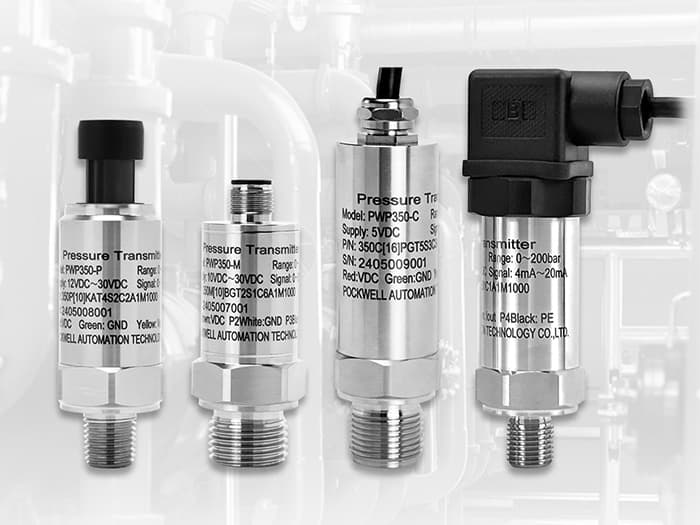
2. Capacitive Pressure Sensors: High Sensitivity and Stability
Capacitive pressure sensors measure pressure by detecting changes in capacitance between two parallel plates. One plate is a flexible diaphragm that moves in response to pressure, altering the distance between the plates and thus the capacitance. These sensors are known for their high sensitivity, excellent long-term stability, and low hysteresis. Capacitive level sensors are particularly effective in applications where precise measurements are needed across varying temperatures.
3. Strain Gauge Pressure Sensors: Robustness for Demanding Applications
Strain gauge pressure sensors employ a metal foil or wire strain gauge bonded to a diaphragm. When pressure deforms the diaphragm, the strain gauge stretches or compresses, changing its electrical resistance. This resistance change is proportional to the applied pressure and is converted into an electrical output. Strain gauge sensors are highly robust and reliable, making them ideal for applications involving high pressures and harsh operating conditions.
Table: Comparison of Oil Pressure Sensor Technologies
| Sensor Type | Principle of Operation | Key Advantages | Typical Applications |
|---|---|---|---|
| Piezoresistive | Resistance change due to mechanical stress | High accuracy, durability, compact size | Automotive, industrial process control, medical devices |
| Capacitive | Capacitance change due to diaphragm displacement | High sensitivity, excellent stability, low hysteresis | HVAC, aerospace, low-pressure measurements |
| Strain Gauge | Resistance change in strained wire/foil | Robustness, wide pressure range, high reliability | Heavy machinery, oil & gas, hydraulic presses |
| Thin-Film | Strain gauge deposited directly onto diaphragm | High stability, resistance to harsh environments | High-temperature applications, aerospace |
| Silicon-on-Sapphire | Piezoresistive elements on sapphire diaphragm | High accuracy, wide temperature range, chemical resistance | Corrosive media, high-temperature industrial processes |
Solving Industry Challenges: The Indispensable Benefits of Integrating Oil Pressure Sensors
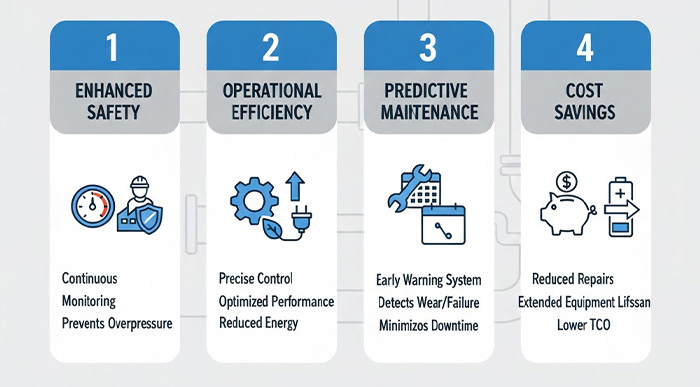
Integrating oil pressure sensors into hydraulic systems offers numerous benefits, directly addressing common industrial challenges. These sensors enhance safety, improve operational efficiency, and contribute significantly to cost savings.
Firstly, they enhance safety by providing continuous monitoring of hydraulic pressure. This prevents overpressure situations that could lead to equipment failure or hazardous conditions. Real-time data allows operators to identify and mitigate risks before they escalate.
Secondly, oil pressure sensors improve operational efficiency through precise control and optimization. By accurately measuring pressure, systems can adjust fluid flow and power delivery, ensuring that machinery operates at peak performance. This optimization reduces energy consumption and improves overall productivity.
Thirdly, these sensors enable predictive maintenance strategies. Continuous data collection allows for the detection of subtle pressure fluctuations that may indicate impending component wear or failure. This early warning system minimizes unplanned downtime and reduces costly emergency repairs. If you’re interested, check 《Safety in Hazardous Areas: Using Explosion-Proof Sensors》.
Finally, integrating oil pressure sensors leads to significant cost savings. By optimizing performance and enabling predictive maintenance, industries can reduce energy consumption, extend equipment lifespan, and lower repair expenses. This comprehensive approach ensures a more reliable and economical operation.
Real-World Impact: Diverse Applications of Oil Pressure Sensors Across Industries
Oil pressure sensors are vital across various industrial sectors, ensuring the efficient and safe operation of hydraulic machinery. Pokcenser Automation provides tailored solutions to meet these diverse needs.
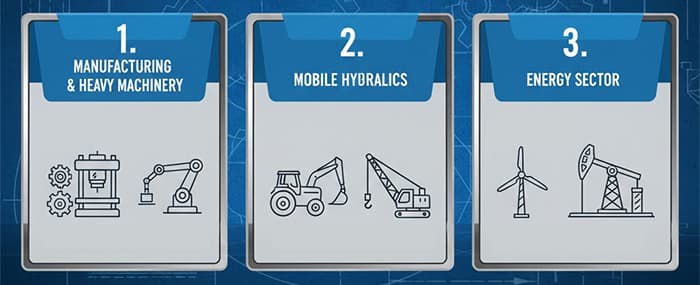
1. Manufacturing and Heavy Machinery: Ensuring Precision and Safety
In manufacturing, oil pressure sensors regulate hydraulic presses, injection molding machines, and robotic systems. They ensure precise force application and consistent product quality. For heavy machinery like excavators and cranes, these sensors monitor hydraulic cylinder pressures, preventing overloads and enhancing operational safety. Our Piezoresistive Pressure Sensors offer the durability and accuracy required for such demanding environments.
2. Mobile Hydraulics: Performance in Dynamic Environments
Mobile hydraulic systems, found in construction equipment and agricultural machinery, rely on oil pressure sensors for optimal performance. These sensors manage variable pump pressures, control steering systems, and monitor brake fluid levels. The robust design of our sensors ensures reliable operation even in harsh outdoor conditions.
3. Energy Sector: Monitoring Critical Infrastructure
The energy sector utilizes oil pressure sensors in power generation, oil and gas extraction, and renewable energy systems. They monitor hydraulic systems in turbines, wellheads, and drilling equipment, ensuring safe and efficient operation. Our explosion-proof sensors are specifically designed for hazardous environments, providing critical data under extreme conditions.
Selecting the Optimal Sensor: Key Considerations for Your Hydraulic System
Choosing the correct oil pressure sensor is critical for the efficiency and longevity of your hydraulic system. We consider several factors to ensure optimal performance and reliability.
First, evaluate the required pressure range to ensure the sensor can accurately measure both minimum and maximum operating pressures. Next, consider the accuracy needed for your application; higher precision often translates to better system control. The operating temperature range is also vital, as sensors must perform reliably under varying thermal conditions.
Environmental resistance, including IP rating and material compatibility, is vital for durability in harsh industrial settings. For instance, our PWP412-T3 SDI-12 Hydrostatic Water Level and Temperature Transmitter offers IP68 protection, ensuring long-term stability in submerged applications. Output signals, such as 4-20mA or RS485 Modbus RTU, must be compatible with your existing control systems. Finally, assess the connection type to ensure smooth integration into your hydraulic setup. This systematic approach guarantees a suitable and effective sensor solution.
Call to Action
Ready to enhance the safety, efficiency, and reliability of your hydraulic systems? Contact Pokcenser Automation Technology Company Limited today for expert consultation and to explore our broad range of industrial pressure sensors and automation solutions. Our team is dedicated to providing tailored, worry-free services and creating long-term value for your operations. Reach us at +86 181 7515 5326 or in**@*******er.com.
FAQs
1. What is the primary difference between an oil pressure sensor and a pressure switch in a hydraulic system?
An oil pressure sensor provides a continuous, analog or digital signal proportional to the pressure, allowing for precise monitoring and control, while a pressure switch only activates or deactivates at a preset pressure threshold, indicating a simple on/off state.
2. How often should hydraulic oil pressure sensors be calibrated or replaced?
The calibration and replacement frequency for hydraulic oil pressure sensors depend on the sensor type, operating conditions, and manufacturer recommendations. Regular calibration (e.g., annually) helps maintain accuracy, and sensors should be replaced if they show signs of damage, drift, or failure to meet performance specifications.
3. Can oil pressure sensors help in diagnosing hydraulic system faults?
Yes. By providing real-time pressure data, oil pressure sensors are invaluable diagnostic tools. Sudden drops or spikes in pressure, or readings outside normal operating parameters, can indicate issues such as pump failure, blockages, leaks, or component wear, enabling early detection and preventative maintenance.

