 English
 Spanish
Pressure Sensor Accuracy and Liquid Control Precision
Achieving precise liquid control sits at the heart of reliable operations across many industries. We’ve seen how even small measurement slips can snowball into waste, downtime, and off-spec product. Over time, it’s become clear that choosing the right high-accuracy sensors and keeping them in top condition is what keeps processes tight, safeguards people and equipment, and satisfies tough regulations. Here’s what truly matters when aiming for superior liquid control with sensor technology.
Understanding Pressure Sensor Accuracy
Accuracy, precision, and repeatability are foundational in liquid control. Accuracy is how close a measurement comes to the true value. Precision is the consistency of repeated measurements. Repeatability is the variation in measurements taken under the same conditions. A sensor can deliver very consistent readings and still be inaccurate if those readings miss the true value. The reverse can also happen when readings hit the true value on average but vary too widely.
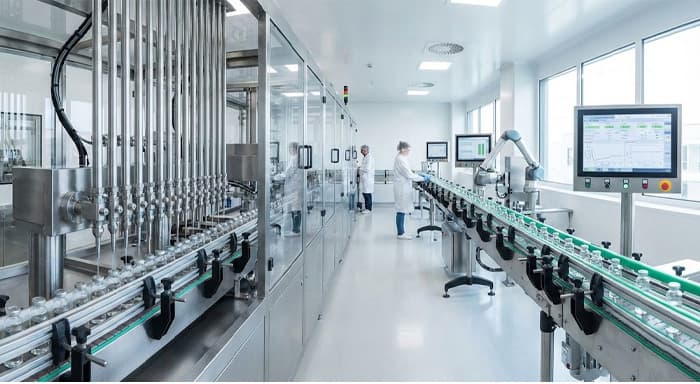
A few key specifications signal how a sensor will perform. Full scale is the maximum measurement range the device covers. Linearity describes how proportionally the output signal tracks the input pressure across that range. Hysteresis is the difference in output for the same input pressure when approached from increasing versus decreasing pressure. These parameters are central to judging reliability.
Environmental conditions shape the trustworthiness of measurements. Temperature swings can expand or contract components and cause drift. Vibration introduces mechanical stress and noise into the signal. Media properties such as density and viscosity influence how the sensor responds. Knowing these factors helps you anticipate and reduce error.
Pain Points of Inaccurate Liquid Control
Measurement errors directly disturb liquid level stability. Overfill can spill product, create hazards, and waste materials. Underfill can interrupt continuous operations and harm equipment. Unreliable level readings stir process instability and force frequent manual intervention.
Process variability often traces back to poor flow control. Dosing systems depend on precise flow measurements to keep ingredient ratios on target. Inaccurate flow leads to inconsistent blending and drifts in uniformity. Overall product consistency suffers when flow rates aren’t tightly managed. For further insights, consider exploring our guide on 《Flow Meter Selection: Turbine vs. Electromagnetic vs. Ultrasonic Flow Meters》.
Material waste and quality problems carry real financial and reputational costs. Bad measurements burn through raw materials and energy. Substandard quality invites recalls, unhappy customers, and brand damage. Profitability and market standing take the hit.
Solutions for Enhanced Liquid Control Precision
Selecting the right high-accuracy pressure sensors is paramount. Choose devices built for your pressure range, temperature window, and media compatibility. Match the required accuracy and environmental conditions to the application to keep performance stable. Our Piezoresistive Pressure Sensors offer exceptional performance in various industrial settings.
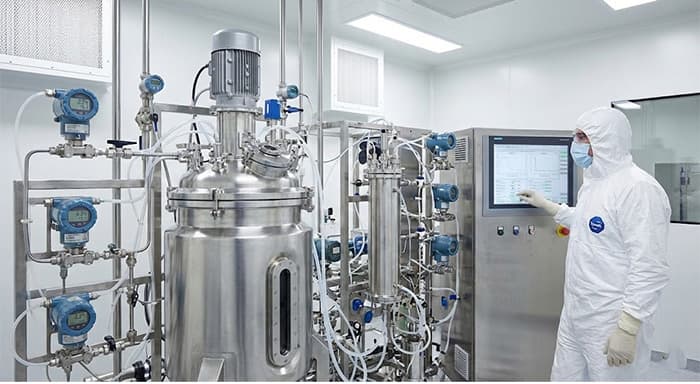
Regular calibration and recalibration keep accuracy from drifting. Time, wear, and exposure shift readings away from true. Routine checks against known standards preserve measurement integrity. That supports regulatory compliance and avoids expensive mistakes.
Advanced sensor technologies raise accuracy even further. Digital compensation corrects for temperature drift and other environmental effects. Smart sensors incorporate microprocessors for stronger data processing and self-diagnostics. These improvements produce steadier, more reliable measurements. For more information on advanced pressure sensing, refer to our 《8 Things You Should Know About Diffused Piezoresistive Silicon Sensors》.
Value Proposition: Benefits of Precise Liquid Control
Optimized efficiency and lower operating costs follow from accurate measurements. Tight control cuts waste and stretches resources. Energy use drops, and maintenance demands ease. The payoff shows up in the return on investment.
Product consistency and quality translate into satisfied customers. When liquid parameters stay on spec, batch variation narrows and integrity improves. Reliability builds trust and strengthens the brand.
Safety and regulatory compliance aren’t optional. Accurate monitoring helps prevent overflows and chemical imbalances. Meeting industry standards and environmental rules avoids penalties and legal exposure. Our explosion-proof sensors are designed for safety in demanding environments.
Real-World Impact: Case Examples of Improved Liquid Control
In oil & gas, accurate pressure sensing helps prevent spills and sharpens extraction performance. Our sensors track pipeline pressures to support safe, efficient transport. Environmental risk drops, and operational safety improves.
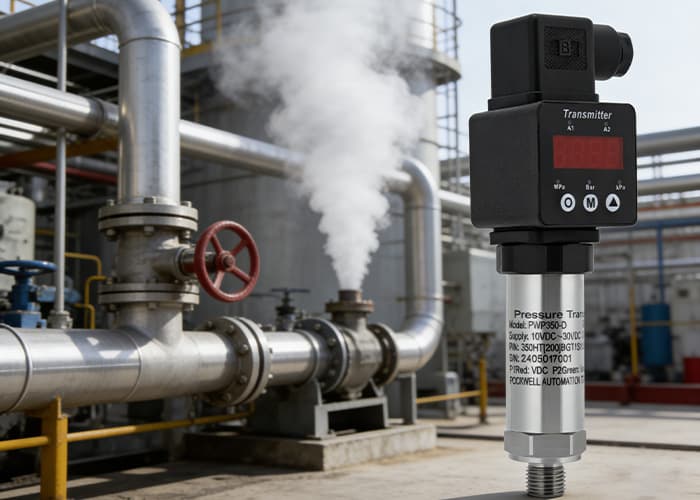
Precision in Water and Wastewater Treatment keeps chemical dosing on point. Accurate residual chlorine readings, for instance, enable effective disinfection without overdosing. Public health is protected, and aquatic ecosystems are safeguarded. For more on water quality, explore our solutions for Water and Wastewater.
In food & beverage production, consistency protects product identity. Tight control of temperature and level sustains taste, texture, and safety. Meeting quality standards keeps consumer trust intact.
The chemical sector and petrochemical industry depend on high reliability when handling hazardous materials. Accurate pressure and flow monitoring reduces leak risk and supports safe operation. The result is lower exposure for personnel and the environment.
FAQs
What is the difference between accuracy and precision in pressure sensors?
Accuracy is closeness to the true value, while precision is the consistency or repeatability of measurements. A sensor can be precise without being accurate, and vice-versa.
How often should industrial pressure sensors be calibrated?
Calibration intervals depend on criticality, environmental stress, and manufacturer guidance. Annual calibration is a solid baseline, while high-precision use cases may call for more frequent checks.
Can environmental factors significantly impact pressure sensor accuracy?
Yes. Temperature swings, humidity, vibration, and electromagnetic interference can all degrade accuracy. Selecting sensors purpose-built for the expected conditions is vital.
What are the main risks of using low-accuracy pressure sensors in liquid control?
Expect process inefficiencies, material waste, inconsistent quality, higher energy use, safety issues such as overfilling, and potential non-compliance with regulations.
How do Pokcenser’s pressure sensors contribute to better liquid control?
Pokcenser’s pressure sensors deliver high accuracy and reliability and are supported by CE, ATEX, ISO, and RoHS certifications. Robust designs and thorough support, from pre-sales evaluation to after-sales service, help maintain precise and stable liquid control for long-term value.
Unlock Precision with Pokcenser Automation
Contact Pokcenser Automation Technology Company Limited today for expert consultation on selecting high-accuracy pressure sensors for your liquid control applications. Our 10+ years of experience and comprehensive support ensure optimal solutions for your industrial needs. Reach us at +86 181 7515 5326 or in**@*******er.com.

