 English
 Spanish
Pressure Sensor Stability and Maintenance Costs Guide
Reliable instrumentation keeps automated processes steady, and pressure sensors sit at the center of that effort. Their long-term stability shapes efficiency, downtime, and what we ultimately spend on upkeep. We’ve seen how small drifts ripple into big headaches, so we look at what causes them, how environment and application choices play a part, the technologies and installation practices that improve stability, the role of calibration, what it all means for TCO, and how smart maintenance and careful selection deliver better value today while positioning for the next wave of connected, predictive sensing.
Understanding Pressure Sensor Stability and Drift
Pressure sensor stability refers to how well a sensor maintains its output over time with a constant input pressure. Drift is the gradual change of that output as time passes. Getting these concepts right underpins effective process control.
1. Defining Stability and Accuracy in Pressure Measurement
Stability reflects a sensor’s resistance to changes in its performance characteristics over time. Accuracy describes how close a measured value is to the true value. A sensor may hit the mark at a given moment yet be unstable, allowing that accuracy to degrade as time goes on. Precision, repeatability, and linearity also shape overall sensor performance. We focus on long-term stability to keep measurements consistent and dependable.
2. Common Factors Influencing Sensor Drift
Several influences drive sensor drift. Material aging and fatigue within the sensing element sit at the top of the list. Exposure to extreme temperatures, pressure cycling, and corrosive media speeds up those effects. Mechanical stress, vibration, and electrical interference can introduce temporary or permanent shifts in output. Sound sensor design and careful material selection help blunt these issues.
3. Impact of Environmental Conditions on Performance
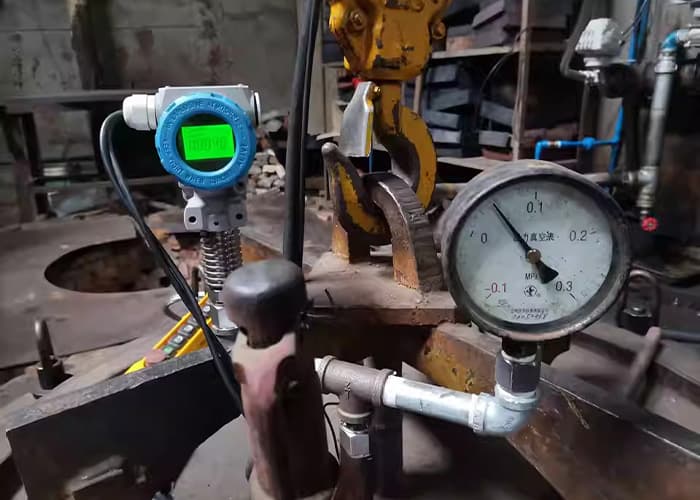
Environmental conditions carry real weight. Temperature swings cause thermal expansion or contraction, which shows up as measurement error. High humidity can compromise electronic components or affect membranes. Vibration adds mechanical stress, while electromagnetic interference (EMI) disrupts signal integrity. Choosing sensors with suitable IP ratings and robust housing matters in harsh environments.
Strategies to Enhance Pressure Sensor Stability
Improving pressure sensor stability calls for a blend of technology and disciplined practices. In our experience, proactive steps pay off over the long haul.
1. Advanced Sensor Technologies for Improved Reliability
Modern pressure sensors use advanced technologies to raise reliability. For instance, diffused piezoresistive silicon sensors offer excellent stability due to their robust construction and integrated temperature compensation. Capacitive and thin-film sensors also deliver strong long-term performance across a range of uses. Selecting the right technology for specific process demands is key.
| Technology | Key Material | Stability | Temperature Range | Applications |
|---|---|---|---|---|
| Piezoresistive | Silicon | High | -40 to 125 °C | General Industrial |
| Capacitive | Ceramic | Very High | -20 to 200 °C | Corrosive Media |
| Thin-Film | Stainless Steel | High | -40 to 150 °C | High Pressure |
2. Proper Installation and Application Best Practices
Correct installation underpins longevity and accuracy. Mount sensors securely to limit vibration and mechanical stress. Use appropriate impulse lines, avoiding sharp bends or excessive lengths that cause pressure drops or blockages. Shield cables from EMI sources to prevent corrupted signals. Following manufacturer guidance on mounting and environmental protection extends service life.
3. The Role of Regular Calibration and Verification
Regular calibration and verification sustain accuracy over time. Calibration aligns the sensor’s output with known reference standards. Verification checks that it still operates within specified accuracy limits. Build a calibration schedule around process criticality and drift characteristics to limit errors and keep compliance on track. We recommend regular calibration to uphold measurement integrity.
Analyzing and Reducing Pressure Sensor Maintenance Costs
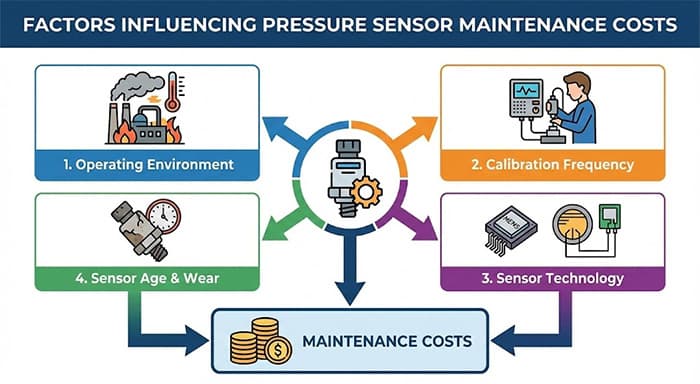
Maintenance costs reach beyond repairs; they include calibration, downtime, and the risk of production losses. We work to shrink these through planning and quality instrumentation.
1. Calculating Total Cost of Ownership for Pressure Sensors
Total Cost of Ownership (TCO) spans purchase price, installation, calibration, repair, and downtime. A lower upfront cost can look appealing, yet frequent calibration or early failure can push TCO higher. We emphasize long-term performance and reliability to capture real savings. Durable, stable sensors cut hidden expenses.
2. Preventive vs Predictive Maintenance Approaches
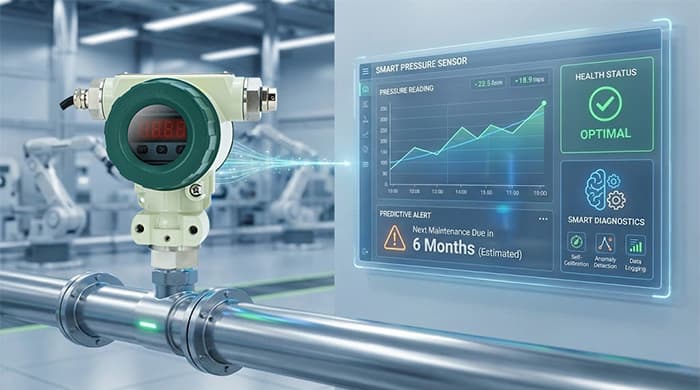
Preventive maintenance uses set schedules for checks and replacements, regardless of actual condition. That can trigger unnecessary work or overlook emerging problems. Predictive maintenance relies on data and analytics to monitor health and anticipate failure. It sharpens schedules, reduces unnecessary downtime, and stretches sensor life. Implementing predictive strategies can materially lower operating costs.
3. Leveraging High-Quality Sensors for Long-Term Savings
High-quality sensors bring stronger stability and durability, which translates into long-term savings. Our Piezoresistive Pressure Sensors and Ceramic Pressure Sensors are built for extended service and minimal drift. That reduces calibration and replacement frequency, trims labor, and helps prevent costly process interruptions. We provide robust solutions that hold up in demanding environments.
For more insights into optimizing your sensor investments, consider reading our article on 《ROI of High-Quality Industrial Sensors》.
Selecting the Right Pressure Sensor for Optimal Performance and Value
Choosing the right pressure sensor directly affects performance and cost-effectiveness. Our expertise helps guide selections toward better outcomes.
1. Key Considerations for Sensor Selection
When selecting a pressure sensor, weigh the media type, pressure range, operating temperature, and required accuracy. Material compatibility matters, especially with corrosive media. Budget and required certifications (e.g., ATEX for hazardous area sensors also factor in. A thorough review of these points ensures the sensor fits the application. For precise liquid level work, our submersible level transmitters deliver reliable results.
2. Pokcenser’s Solutions for Stable and Cost-Effective Measurement
Pokcenser Automation offers pressure sensors built for stability and value. The PWP350 series delivers robust performance across industrial applications with accurate, reliable measurements. The PWP412-T3 hydrostatic water level and temperature transmitter provides high precision and long-term stability for water level monitoring. We prioritize durability and accuracy, backed by certifications such as CE, ATEX, ISO, and RoHS.
To learn more about our offerings, visit our product page for submersible pressure sensor.
Future Trends in Pressure Sensing Technology and Maintenance
Pressure sensing is moving toward greater intelligence, connectivity, and predictive capability. We expect deeper use of AI and machine learning for advanced drift compensation and predictive maintenance. Miniaturization and wireless communication will widen where sensors can be deployed, especially in remote or hard-to-reach locations. These advances will continue to lower TCO and improve system reliability. Our focus is to stay ahead of these shifts and deliver cutting-edge solutions.
Call to Action
Ready to optimize your industrial processes with stable and cost-effective pressure sensing solutions? Contact Pokcenser Automation Technology Company Limited today for expert consultation, custom OEM&ODM solutions, and unparalleled after-sales support. Our team is dedicated to creating long-term value for your operations. Phone: +86 181 7515 5326 | Email: in**@*******er.com
FAQs
1. How often should industrial pressure sensors be calibrated?
Calibration frequency depends on application, environment, required accuracy, and manufacturer guidance. Annual calibration is a solid starting point. Highly critical applications may need shorter intervals, while less critical ones can extend to 2–3 years. Tracking drift trends helps fine-tune the schedule.
2. What is sensor drift and why is it a concern for maintenance costs?
Sensor drift is the gradual change of a sensor’s output over time even when the input stays constant. It drives maintenance costs because it creates inaccurate readings, requiring more frequent calibration, risking process inefficiencies and product quality issues, and raising operational expenditures if not addressed early.
3. Can environmental factors significantly impact pressure sensor stability?
Yes. Extreme temperatures, rapid temperature changes, humidity, vibration, and corrosive media can all degrade stability. Proper selection with suitable IP ratings, material compatibility, and temperature compensation, along with protective measures, helps mitigate these effects and supports long-term reliability.
4. How do high-quality pressure sensors reduce overall maintenance costs?
High-quality pressure sensors, like those from Pokcenser Automation, use superior materials and advanced manufacturing processes that improve inherent stability, reduce drift, and extend lifespan. That means fewer calibrations, fewer repairs or replacements, less downtime, and a lower Total Cost of Ownership (TCO) over the operating life.
5. What role does predictive maintenance play in optimizing pressure sensor stability and costs?
Predictive maintenance uses data analytics and condition monitoring to anticipate significant drift or potential failures before they occur. By continuously tracking performance, history, and environmental factors, maintenance can be scheduled only when needed, avoiding unnecessary preventive work, preventing unplanned downtime, and optimizing sensor life.

