 English
 Spanish
Selecting Corrosion and Explosion-Proof Level Sensors for Safety
We understand that operating in hazardous industrial environments demands meticulous attention to safety and equipment reliability. I have observed firsthand the critical role that properly selected level sensors play in preventing catastrophic failures and ensuring operational continuity. Our experience guides us in identifying the specific challenges posed by corrosive and explosive atmospheres. We aim to provide comprehensive insights to help you make informed decisions for your applications.
Understanding the Critical Need for Specialized Level Sensors
Industrial processes often involve hazardous substances that can be both corrosive and explosive. Accurate and reliable level measurement in these environments is paramount for safety, environmental protection, and operational efficiency. The failure of a standard sensor in such conditions can lead to severe consequences, including equipment damage, environmental contamination, worker injuries, or even fatalities. Therefore, specialized level sensors are not merely an option but a necessity.
1. The inherent dangers of corrosive and explosive environments
Corrosive environments contain chemicals that degrade materials over time, compromising the structural integrity and functionality of sensors. This degradation can lead to leaks, sensor failure, and inaccurate readings. Explosive environments, characterized by the presence of flammable gases, vapors, mists, or combustible dusts, pose a risk of ignition if electrical equipment generates sparks or excessive heat. Combining these two hazards creates an exceptionally challenging scenario where standard equipment is simply inadequate. We regularly encounter these challenges in the chemical, oil and gas, and pharmaceutical industries.
2. Regulatory compliance and safety standards (ATEX, IECEx, NEMA)
Adhering to strict regulatory compliance and safety standards is non-negotiable when dealing with hazardous environments. These standards ensure that equipment is designed, manufactured, and tested to minimize risks.
- ATEX (Atmosphères Explosibles): This European directive mandates safety requirements for equipment and protective systems intended for use in potentially explosive atmospheres. It classifies hazardous areas into zones based on the frequency and duration of explosive atmospheres.
- IECEx (International Electrotechnical Commission System for Certification to Standards Relating to Equipment for Use in Explosive Atmospheres): IECEx is an international system that facilitates global trade of equipment for use in hazardous areas by providing a harmonized certification scheme. This certification ensures a consistent level of safety worldwide.
- NEMA (National Electrical Manufacturers Association): NEMA standards define various enclosure types for electrical equipment, specifying their ability to protect against environmental hazards such as dust, water, and corrosion, as well as providing explosion protection.
Compliance with these standards is not just a legal requirement; it is a fundamental aspect of responsible industrial operation. Choosing certified equipment demonstrates a commitment to safety. If you’re interested, check Safety in Hazardous Areas: Using Explosion-Proof Sensors.
3. Economic impact of improper sensor selection
The economic repercussions of selecting inappropriate sensors extend far beyond the initial purchase cost. Improper sensor selection can lead to:
- Increased maintenance and replacement costs: Corrosive media can rapidly destroy non-resistant sensors, necessitating frequent replacements and costly downtime.
- Production losses: Sensor failures can halt production, resulting in significant financial losses due to missed quotas and operational delays.
- Environmental fines and cleanup costs: Leaks or spills caused by sensor failure can lead to severe environmental damage, incurring hefty fines and expensive cleanup operations.
- Reputational damage: Accidents due to equipment failure can severely damage a company’s reputation, affecting customer trust and market value.
Investing in the correct corrosion and explosion-proof level sensors from the outset is a cost-effective strategy that safeguards assets, personnel, and the environment.
Key Considerations for Corrosion-Resistant Level Sensor Selection
Selecting a corrosion-resistant level sensor requires a thorough understanding of the process media and the materials that can withstand its chemical attack.
1. Material compatibility with process media
The most critical factor in corrosion resistance is the compatibility of the sensor’s wetted parts with the process media. Different chemicals react differently with various materials. For instance, strong acids or bases require highly resistant materials, while milder substances might allow for broader material choices. We always recommend consulting chemical compatibility charts and, if necessary, conducting compatibility tests. The goal is to ensure the sensor material remains intact and functional throughout its operational life.
2. Common corrosion-resistant materials (SS316L, PP, PTFE, PVDF)
Several materials offer excellent corrosion resistance, each with specific strengths and applications:
- SS316L Stainless Steel: This austenitic stainless steel contains molybdenum, which enhances its resistance to pitting and crevice corrosion, particularly in chloride environments. It is widely used in chemical processing and marine applications.
- PP (Polypropylene): A thermoplastic polymer known for its excellent resistance to a wide range of chemicals, including acids, bases, and organic solvents. It is lightweight and cost-effective, making it suitable for many industrial applications.
- PTFE (Polytetrafluoroethylene): Commonly known as Teflon, PTFE offers exceptional chemical inertness and resistance to almost all corrosive media, including strong acids and bases, at high temperatures. Its non-stick properties also prevent buildup.
- PVDF (Polyvinylidene Fluoride): This fluoropolymer provides high resistance to chemicals, abrasion, and UV radiation. It is often used in applications involving aggressive chemicals and high purity requirements.
Choosing the right material ensures the longevity and accuracy of the sensor.
3. Understanding different types of corrosion and their effects on sensors
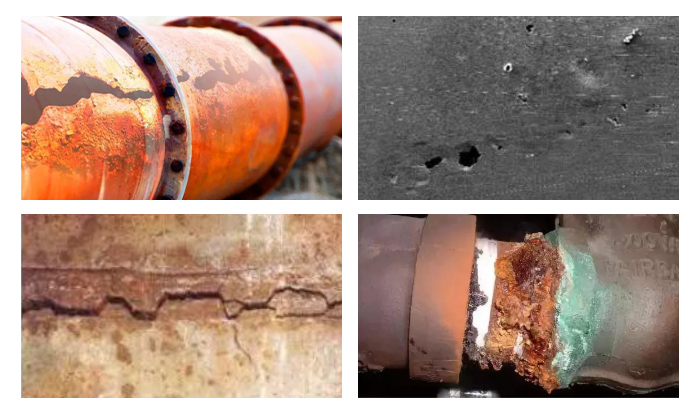
Corrosion is not a singular phenomenon; it manifests in various forms, each with distinct effects on sensor materials:
- Uniform Corrosion: This is a general attack over the entire surface of the material, leading to a relatively even thinning.
- Pitting Corrosion: Localized corrosion that creates small holes or “pits” in the material, often occurring in stagnant solutions or in the presence of chlorides.
- Crevice Corrosion: Occurs in confined spaces, such as under gaskets or bolt heads, where oxygen depletion and pH changes can accelerate corrosion.
- Stress Corrosion Cracking (SCC): A combination of tensile stress and a corrosive environment leads to cracks in the material.
- Galvanic Corrosion: Occurs when two dissimilar metals are in electrical contact in a corrosive electrolyte, with one metal corroding preferentially.
Understanding these types helps in selecting materials that specifically resist the expected corrosive mechanisms in your application.
4. Pokcenser’s solutions for corrosive environments
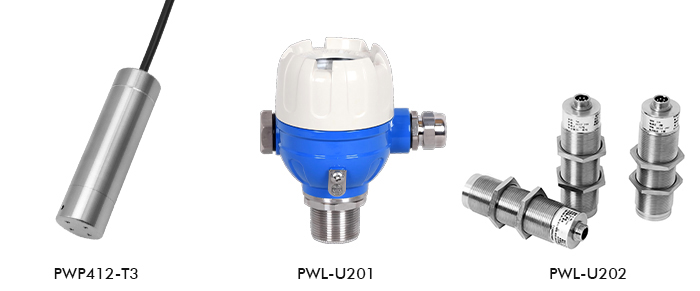
At Pokcenser Automation, we offer a range of level sensors specifically designed to withstand corrosive environments. For instance, our PWP412-T3 hydrostatic level transmitter features all-stainless-steel construction, including SUS304 or SS316L housing and a SS316L diffused piezoresistive silicon sensor core. This design ensures durability and reliable performance in harsh chemical conditions. We also provide specialized ultrasonic sensors like the PWL-U201 and PWL-U202, which can be customized with protective coatings or housing materials for enhanced chemical resistance.
Essential Factors for Explosion-Proof Level Sensor Selection
Explosion protection is critical in industries handling flammable substances. Proper selection of explosion-proof level sensors mitigates the risk of ignition.
1. Classification of hazardous areas (Zones, Divisions)
Hazardous areas are classified based on the likelihood and presence of flammable substances. Understanding these classifications is crucial for selecting appropriately certified equipment.
- Zones (IECEx/ATEX):
- Zone 0 (Gas) / Zone 20 (Dust): Areas where an explosive atmosphere is present continuously or for long periods.
- Zone 1 (Gas) / Zone 21 (Dust): Areas where an explosive atmosphere is likely to occur in normal operation.
- Zone 2 (Gas) / Zone 22 (Dust): Areas where an explosive atmosphere is not likely to occur in normal operation, and if it does, it will only persist for a short period.
- Divisions (North America – NEC/CEC):
- Division 1: Areas where hazardous concentrations of flammable gases, vapors, or liquids can exist under normal operating conditions.
- Division 2: Areas where hazardous materials are handled, processed, or used, but are normally confined within closed containers or systems.
The sensor’s certification must match or exceed the classification of the hazardous area where it will be installed.
2. Explosion protection concepts (Intrinsically safe, Flameproof, Non-incendive)
Various protection concepts are employed to prevent explosions:
- Intrinsically Safe (Ex i): This method limits the electrical and thermal energy to a level too low to ignite an explosive atmosphere. It is often preferred for instrumentation due to its safety and ease of maintenance.
- Flameproof (Ex d): Enclosures are designed to contain an internal explosion and prevent its transmission to the external explosive atmosphere. They are robust and can withstand high internal pressures.
- Non-incendive (Ex nA/nC): Equipment is designed such that it will not ignite a flammable atmosphere under normal operating conditions. This is typically used in Zone 2 or Division 2 areas.
- Pressurized (Ex p): An enclosure is maintained at a pressure higher than the external atmosphere, preventing the entry of flammable substances.
Each concept has specific design and application considerations.
3. Certification requirements and markings (ATEX, IECEx)
Certified explosion-proof equipment carries specific markings indicating its compliance. These markings typically include:
- Group and Category: Specifies the type of hazardous atmosphere (e.g., Group II for gases, Category 1 for Zone 0).
- Protection Type: Indicates the method of explosion protection (e.g., Ex ia for intrinsically safe, Ex db for flameproof).
- Gas Group: Classifies the flammability characteristics of gases (e.g., IIB, IIC).
- Temperature Class: Defines the maximum surface temperature the equipment can reach (e.g., T4, T6).
Understanding these markings is vital for ensuring the correct sensor is deployed in the appropriate hazardous area. For example, our PWP412-T3 hydrostatic level transmitter offers an optional Exia II CT6 explosion-proof rating, making it suitable for a wide range of demanding applications.
4. Design features of explosion-proof level sensors
Explosion-proof level sensors incorporate specific design features to ensure safety:
- Robust Enclosures: Often made from heavy-duty materials like cast aluminum or stainless steel, designed to contain any internal explosion.
- Sealing and Gasketing: Prevents the ingress of flammable gases or dusts into the sensor’s electrical components.
- Cable Glands: Specialized fittings that ensure a flameproof or intrinsically safe connection for electrical cables.
- Component Encapsulation: Critical electrical components may be encapsulated in a potting compound to prevent sparks from reaching the hazardous atmosphere.
These features collectively contribute to the sensor’s ability to operate safely in explosive environments.
5. Pokcenser’s explosion-proof level sensor offerings
Pokcenser Automation provides a comprehensive range of explosion-proof level sensors. Our PWL-U201 and PWL-U202 ultrasonic level transmitters are available with ExiaII CT4Ga and Ex db mb IICT6 Gb explosion-proof ratings, making them suitable for various hazardous locations, including those with flammable gases and vapors. The PWP412-T3 hydrostatic level transmitter also offers an optional Exia II CT6 rating, ensuring safe and reliable level measurement in potentially explosive liquid storage applications. These sensors are rigorously tested and certified to meet international safety standards.
Types of Level Sensors and Their Suitability in Hazardous Applications
The choice of level sensing technology depends heavily on the specific application, including the properties of the media, the required accuracy, and the environmental conditions.
1. Ultrasonic level sensors (e.g., PWL-U201, PWL-U202) in hazardous areas
Ultrasonic level sensors operate by emitting sound waves and measuring the time it takes for the echo to return. This non-contact method is ideal for corrosive liquids as the sensor does not come into direct contact with the medium.
- Advantages: Non-contact measurement, suitable for corrosive liquids, no moving parts, relatively easy installation. Our PWL-U201 and PWL-U202 models offer small blind zones and high accuracy, making them versatile for various tank sizes. They also come with explosion-proof certifications (ExiaII CT4Ga, Ex db mb IICT6 Gb).
- Limitations: Performance can be affected by foam, heavy vapors, turbulence, and extreme temperature variations. Not suitable for vacuum or high-pressure applications.
For more information, you might find Radar vs. Ultrasonic Level Sensors: A Selection Guide helpful.
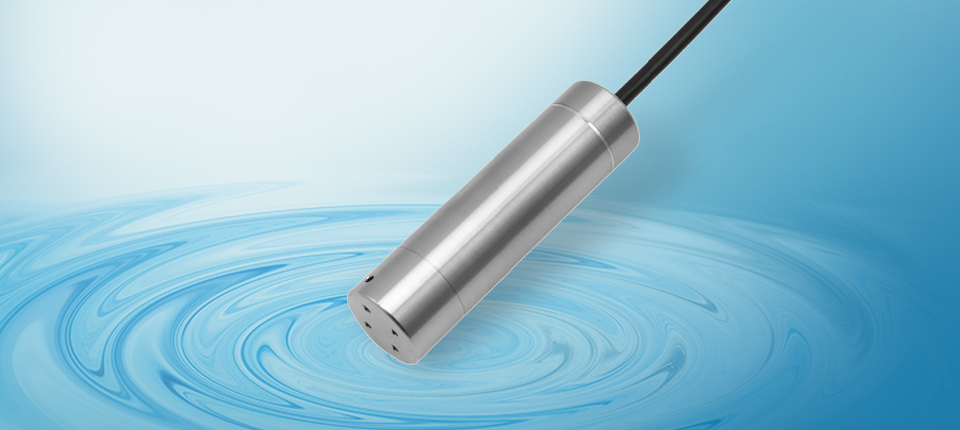
2. Hydrostatic level transmitters (e.g., PWP412-T3) for corrosive liquids
Hydrostatic level transmitters measure the pressure exerted by the liquid column, which is directly proportional to the liquid level. Submersible versions are commonly used for continuous level measurement in tanks or open bodies of water.
- Advantages: High accuracy and reliability, suitable for a wide range of liquids, including corrosive ones (with appropriate material selection), unaffected by foam or vapor. Our PWP412-T3 features all-stainless-steel construction (SS316L) and optional Exia II CT6 rating, making it highly robust for corrosive and hazardous liquid level applications.
- Limitations: Requires direct contact with the medium, susceptible to clogging in highly viscous or sludgy liquids, density changes in the liquid can affect accuracy.
For applications requiring precise liquid level measurement in harsh conditions, submersible level transmitters are often the preferred choice.
3. Other level sensing technologies and their application limitations
While ultrasonic and hydrostatic sensors are common, other technologies exist, each with its own set of advantages and limitations in hazardous environments:
- Radar Level Sensors: Similar to ultrasonic but use microwaves. They are less affected by temperature, pressure, and vapor. However, they can be more expensive and require specific mounting conditions.
- Capacitive Level Sensors: Measure changes in capacitance as the liquid level changes. Suitable for a wide range of liquids and solids, but material compatibility is crucial for corrosive media, and buildup can affect accuracy.
- Float Level Sensors: Simple and reliable mechanical devices. However, moving parts can wear out, and they are generally not suitable for highly corrosive or viscous liquids without specialized materials.
- Magnetostrictive Level Sensors: Offer high precision and are suitable for clean liquids. They are less common in highly corrosive or explosive environments due to material and design constraints.
4. Advantages and disadvantages of each sensor type in specific hazardous conditions
| Sensor Type | Advantages in Hazardous Conditions | Disadvantages in Hazardous Conditions |
|---|---|---|
| Ultrasonic | Non-contact, good for corrosive liquids, explosion-proof options. | Affected by foam, vapor, turbulence; limited by pressure/temperature. |
| Hydrostatic | High accuracy, robust for corrosive liquids, explosion-proof options. | Requires media contact, susceptible to clogging, density affects accuracy. |
| Radar | Non-contact, unaffected by process variations, high accuracy. | Higher cost, complex installation, requires specific mounting. |
| Capacitive | Versatile for various media, no moving parts. | Buildup can affect accuracy, material compatibility is critical. |
| Float | Simple, cost-effective, no power required. | Moving parts wear, not ideal for corrosive/viscous media. |
Choosing the optimal sensor involves balancing these factors against the specific demands of your application. Our team specializes in helping clients navigate these choices.
Installation, Maintenance, and Long-Term Reliability
Proper installation and diligent maintenance are crucial for ensuring the long-term reliability and safety of corrosion and explosion-proof level sensors.
1. Best practices for installing specialized level sensors
Installation in hazardous areas requires strict adherence to certified drawings and local regulations.
- Follow Manufacturer Guidelines: Always refer to the sensor manufacturer’s installation manual for specific instructions.
- Use Certified Components: Ensure all associated components, such as wiring, conduits, and barriers, are also certified for the hazardous area classification.
- Proper Grounding: Establish proper grounding to prevent static electricity buildup and ensure electrical safety.
- Cable Management: Use appropriate cable glands and ensure cables are protected from mechanical damage and chemical exposure.
- Ventilation (for some types): Ensure proper ventilation for certain protection concepts, such as pressurized enclosures.
- Accessibility: Install sensors in locations that allow for safe and easy access for maintenance and inspection without compromising safety.
Improper installation can negate the safety features of certified equipment.
2. Routine maintenance and inspection for safety and longevity
Regular maintenance and inspection are vital for detecting potential issues before they escalate.
- Visual Inspection: Periodically check for signs of corrosion, physical damage, loose connections, or buildup on the sensor.
- Functionality Checks: Verify sensor readings against known levels and perform calibration checks as recommended by the manufacturer.
- Cable and Enclosure Integrity: Inspect cables for wear and tear, and ensure enclosures are properly sealed and free from damage.
- Certification Verification: Confirm that all certifications remain valid and that no unauthorized modifications have been made.
- Documentation: Maintain detailed records of all inspections, maintenance activities, and any repairs performed.
Proactive maintenance extends sensor lifespan and maintains safety compliance.
3. Troubleshooting common issues in hazardous environments
Troubleshooting in hazardous environments requires specialized training and procedures to ensure safety.
- Inaccurate Readings: Check for sensor fouling, calibration drift, or interference from process conditions (e.g., foam for ultrasonic sensors, density changes for hydrostatic sensors).
- No Output: Verify power supply, wiring connections, and internal fuse integrity. Ensure the sensor is correctly configured.
- Intermittent Operation: Look for loose connections, electromagnetic interference, or environmental factors affecting sensor performance.
- Corrosion Signs: If corrosion is observed, identify the root cause (e.g., material incompatibility, breach in protective coating) and replace affected components with more resistant alternatives.
Always follow lockout/tagout procedures and safety protocols before attempting any troubleshooting in hazardous areas.
4. Ensuring long-term operational integrity and compliance
Long-term operational integrity hinges on a continuous commitment to safety and regulatory compliance.
- Regular Training: Ensure personnel involved in installation, operation, and maintenance are adequately trained on hazardous area procedures and sensor-specific requirements.
- Technology Updates: Stay informed about advancements in sensor technology and regulatory changes that might impact your operations.
- Supplier Partnership: Work with reputable suppliers like Pokcenser Automation who provide certified products and expert support.
- Risk Assessments: Conduct periodic risk assessments to identify new hazards or changes in existing conditions that might require adjustments to sensor selection or safety protocols.
By integrating these practices, industries can achieve reliable and safe level measurement in even the most challenging environments.
Partner with Pokcenser Automation for Your Hazardous Area Level Sensing Needs
Choosing the right corrosion and explosion-proof level sensors is a critical decision that impacts safety, efficiency, and compliance. At Pokcenser Automation, we specialize in providing robust and reliable solutions for demanding industrial applications. With over a decade of experience and a comprehensive portfolio of certified products, we are committed to helping you find the perfect sensor for your specific needs. Our 6-person pre-sales and after-sales team is dedicated to offering one-stop, worry-free services, from evaluating your application to recommending suitable solutions and providing ongoing support. Let us help you ensure the safety and longevity of your operations.
Contact us today to discuss your requirements.
Phone: +86 181 7515 5326
Email: in**@*******er.com
About the Author
Li Chengxuan is a senior industrial automation expert at Pokcenser Automation, specializing in the research and application of flow, level, pressure, and temperature sensors and industrial process control solutions. With extensive experience in hazardous industrial environments, Li Chengxuan is dedicated to advancing safety and efficiency through innovative sensor technologies.
FAQs
1. What is the difference between intrinsically safe and flameproof explosion protection?
Intrinsically safe protection (Ex i) limits the energy within the circuit to prevent ignition of an explosive atmosphere. Flameproof protection (Ex d) contains any explosion within a robust enclosure, preventing it from spreading to the surrounding atmosphere. Intrinsically safe is generally preferred for instrumentation due to easier maintenance without de-energizing the system.
2. How do I determine the correct material for a corrosion-resistant level sensor?
Determining the correct material involves evaluating the chemical composition, concentration, temperature, and pressure of the process media. Consult chemical compatibility charts, perform compatibility tests if necessary, and consider materials like SS316L, PP, PTFE, or PVDF based on the aggressiveness of the corrosive agent.
3. Can ultrasonic level sensors be used in all explosive atmospheres?
No, ultrasonic level sensors are not suitable for all explosive atmospheres. Their suitability depends on their specific explosion protection certification (e.g., ATEX, IECEx) and the classification of the hazardous area. Factors like foam, heavy vapors, and extreme temperatures can also affect their performance, requiring careful consideration.
4. What certifications should I look for when selecting an explosion-proof level sensor?
When selecting an explosion-proof level sensor, look for certifications such as ATEX (European Union), IECEx (International), and NEMA (North America). These certifications confirm that the sensor meets specific safety standards for use in hazardous locations, indicating its protection type, gas group, and temperature class.
5. How often should explosion-proof and corrosion-resistant sensors be inspected or calibrated?
The frequency of inspection and calibration depends on the manufacturer’s recommendations, the severity of the operating environment, and regulatory requirements. Generally, visual inspections should be conducted regularly (e.g., monthly), while full calibration and functional checks should occur annually or bi-annually.

