 English
 Spanish
Choosing and Using LCD Pressure Transmitters for Industrial Automation
In plant rooms and well pads where alarms don’t care what time it is, pressure is the variable I watch first. When the measurement is right, control loops stay calm, safety margins hold, and efficiency follows. LCD pressure transmitters make life easier by giving operators a clear local readout while feeding clean data to the control system. From years building sensors and commissioning process control solutions, I’ve learned that the wins come from choosing the right model, matching it to the medium and environment, and installing it with care. What follows is how I approach selection, deployment, and upkeep across industries, along with where these devices shine and how our team supports the full lifecycle.
Understanding the Core Functionality of LCD Pressure Transmitters
1. Defining LCD Pressure Transmitters and Their Importance
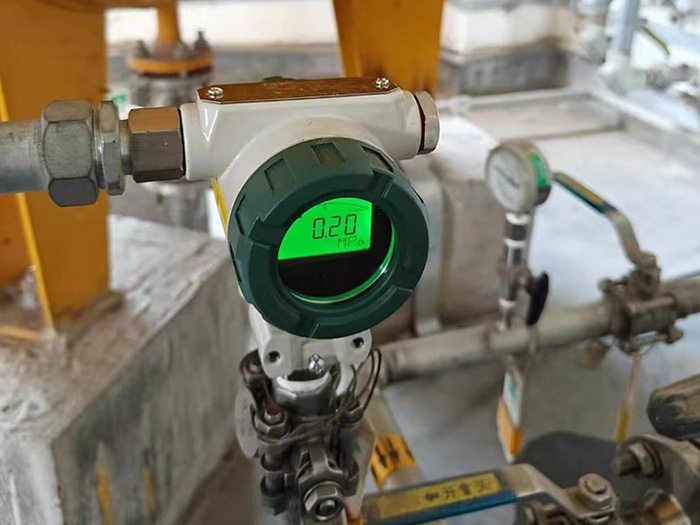
LCD pressure transmitters measure pressure and present the reading on a liquid crystal display. That local display gives immediate, on-the-spot visibility for operators troubleshooting or making quick decisions. At the same time, the device converts the measured pressure into an electrical signal, commonly 4-20 mA or a digital protocol such as RS485 Modbus RTU, and sends it to control systems. The value here is the pairing of accurate measurement with a convenient local indication, which streamlines operations and supports safer field work.
2. Exploring the Underlying Principles of Pressure Measurement
Most LCD pressure transmitters use a pressure sensor, often piezoresistive or capacitive, that deforms under pressure and changes its electrical resistance or capacitance. Internal electronics convert that change into an electrical signal. A built-in microprocessor then applies linearization and temperature compensation before showing the calibrated pressure on the LCD. This digital processing delivers high accuracy and solid stability.
3. Identifying Key Features and Benefits of Modern LCD Displays
Modern displays bring a lot to the table. You get clear, multi-line readings and, with backlighting, visibility holds up in dim spaces or bright sun. Many units provide data logging and trend charts so operators can spot patterns and historical shifts right at the device. Password protection helps prevent tampering, protecting both data and settings. An intuitive menu structure makes configuration and calibration straightforward even when time is tight.
Essential Criteria for Selecting the Right LCD Pressure Transmitter
1. Evaluating Pressure Range and Accuracy Requirements
Selection starts with pressure range and accuracy. The chosen range must cover the full span of expected process pressures, including possible overpressure events. Accuracy, expressed as a percentage of full scale, such as ±0.5% FS, sets the maximum allowable error. Tighter accuracy often costs more, so balance the need for precision with budget realities. In high-consequence applications, I lean toward a tighter accuracy specification.
2. Considering Process Media Compatibility and Material Selection
Wetted materials must match the process media. A mismatch invites corrosion, contamination, or premature sensor failure, and that undermines both safety and data quality. Common choices include stainless steel, such as 316L, Hastelloy, Monel, and Tantalum, each with different chemical resistance profiles. In corrosive chemical processing, specialized alloys are often the only sensible option.
If you’re interested, check 《Piezoresistive Pressure Sensors vs. Ceramic Pressure Sensors: A Comprehensive Comparison》.
3. Assessing Output Signals and Communication Protocols
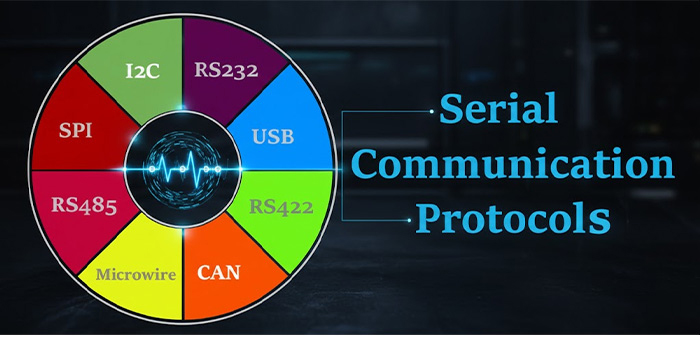
LCD pressure transmitters support a range of outputs to fit control architectures. Analog 4-20 mA remains a workhorse for long cable runs and noise immunity. Digital protocols like RS485 Modbus RTU or HART add remote configuration, diagnostics, and multi-drop networking. The right pick depends on your installed base and the depth of data integration you want.
4. Analyzing Environmental Conditions and Protection Ratings
Industrial sites can be unforgiving, so confirm the transmitter can handle temperature swings, humidity, vibration, and exposure to chemicals. Look at protection ratings such as IP and NEMA for dust and water ingress resistance. For potentially explosive atmospheres, certifications like ATEX or IECEx for explosion-proof sensors are mandatory. We ensure our devices meet rigorous standards for reliable operation in challenging conditions.
5. Understanding Mounting Options and Installation Considerations
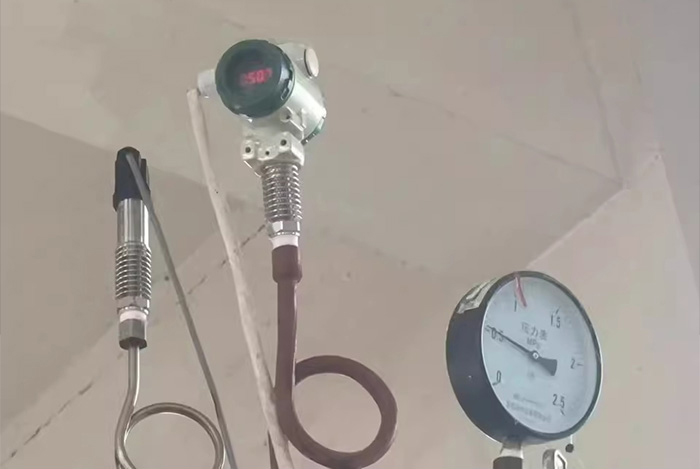
Mounting and installation directly affect performance. Threaded connections, flanges, and remote seals are common choices. Consider vibration, pulsation, and temperature gradients at the mounting point, since these can skew readings. For high-temperature or highly viscous media, a remote seal can protect the sensing element while maintaining measurement integrity. Proper placement helps the sensor see the true process pressure.
Practical Applications of LCD Pressure Transmitters Across Industries
1. Enhancing Control in Water and Wastewater Management
In Water and Wastewater Treatment facilities, LCD pressure transmitters track pressures in pipelines, pumps, and filtration systems. They help maintain target flow rates, flag blockages, and keep treatment steps running efficiently. Monitoring differential pressure across filters, for example, indicates when cleaning or replacement is due.
2. Optimizing Processes in Oil and Gas Operations
Oil and gas operations depend on accurate pressure data for both safety and performance. LCD pressure transmitters monitor wellhead pressures, pipeline conditions, and tank levels. Their rugged build and tolerance for harsh environments make them a staple. They help prevent overpressure, support process optimization during separation, and aid in safer hydrocarbon transport. For example, watching pressure in separation units helps tune the split of oil, gas, and water.
3. Ensuring Safety and Efficiency in Chemical and Petrochemical Plants
Chemical and petrochemical plants handle corrosive and volatile media, so pressure measurement must be both reliable and resilient. With specialized wetted materials where needed, LCD pressure transmitters monitor reactors, distillation columns, and storage tanks. They stabilize processes, reduce risk from dangerous pressure buildup, and help maintain product quality. Compliance with safety standards for hazardous area sensors is non-negotiable in these settings.
4. Supporting Precision in Food and Beverage Production
In food and beverage applications, hygiene and tight control go hand in hand. LCD pressure transmitters measure pressure in pasteurization lines, fermentation tanks, and filling systems. Sanitary designs with flush diaphragms guard against bacterial growth and align with strict hygiene rules. Consistent pressure control supports uniform product quality and efficient throughput.
5. Leveraging Pokcenser’s Expertise in Pressure and Level Measurement Solutions
Pokcenser Automation provides a comprehensive range of pressure and level measurement solutions tailored for industrial automation. Our expertise spans various sensor technologies, including Piezoresistive Pressure Sensors and ultrasonic level sensors. We offer robust, accurate, and reliable instruments designed to meet the demanding requirements of diverse industries. Our team assists clients from application evaluation to post-sales support, ensuring optimal solution implementation.
| Product Model | Type | Key Features | Applications |
|---|---|---|---|
| PWP412-T3 | Hydrostatic Pressure Transmitter | SDI-12 output, IP68, all-stainless-steel | Water towers, groundwater, open irrigation |
| PWL-U201 | Ultrasonic Level Transmitter | Small blind zone (<0.06m), high accuracy (±1mm) | Small tanks, chemical tanks, beverage monitoring |
| PWL-U202 | Ultrasonic Level Transmitter | Small blind zone (<0.06m), multi-output options | Liquid/solid level measurement in small tanks |
| PT6500 | Online TDS Meter Controller | Full-color LCD, data logging, RS485 Modbus RTU | Drinking water, environmental sewage, aquaculture |
| PCS5530C | Residual Chlorine Electrode and Meter | Color LCD, constant pressure method, 4-20mA/RS485 | Drinking water, wastewater treatment, electroplating |
| PT4000 | ORP Controller | LCD color display, RS485 Modbus RTU, 2 relay outputs | Power plants, petrochemical, food & beverage |
Best Practices for Installation, Calibration, and Maintenance
1. Step-by-Step Guide to Proper Installation Procedures
Getting installation right pays dividends.
1. Pick a mounting location that limits vibration and temperature swings.
2. Make sure the process connection is clean and free of debris.
3. Use the proper thread sealant to prevent leaks.
4. Mount the transmitter securely and orient it correctly for accurate readings.
5. Wire the device per the manufacturer’s specifications, with attention to grounding and shielding.
6. Seal cable glands properly to maintain the enclosure’s IP rating.
2. Ensuring Accuracy Through Regular Calibration Techniques
Regular calibration keeps accuracy where it should be.
1. Set a calibration schedule based on application criticality and the manufacturer’s recommendations.
2. Use certified calibration equipment with traceable standards.
3. Perform zero and span adjustments to correct drift.
4. Record “as found” and “as left” results for each calibration.
5. Use in-situ calibration when process conditions cannot be replicated in a lab.
3. Implementing Effective Maintenance Schedules for Longevity
A proactive plan extends service life and reliability.
1. Perform visual inspections for damage, corrosion, or leaks.
2. Clean the process connection and diaphragm on a routine basis, especially in dirty services.
3. Check electrical connections for tightness and integrity.
4. Confirm the enclosure and cable glands remain intact.
5. Replace worn or damaged components promptly to avoid failures.
4. Troubleshooting Common Issues with LCD Pressure Transmitters
Most problems fall into a few buckets: accuracy, display, or communications.
1. For inaccurate readings, look for sensor fouling, incorrect calibration, or process upsets.
2. If the LCD is blank, verify the power supply and wiring.
3. Communication errors often trace back to wiring mistakes, address conflicts in digital networks, or a bad communication module.
4. Refer to the manufacturer’s manual for device-specific steps and diagnostic codes.
5. Always isolate power and pressure before any maintenance or troubleshooting.
Partner with Pokcenser Automation for Your Industrial Needs
Choosing and implementing the right LCD pressure transmitters is crucial for efficient and safe industrial operations. At Pokcenser Automation, we offer a decade of expertise in providing high-quality sensors and comprehensive solutions. Our dedicated team supports you from initial consultation to after-sales service, ensuring your systems perform optimally. We are committed to creating value for our clients worldwide through reliable industrial automation products.
Contact us today to discuss your specific requirements.
Phone: +86 181 7515 5326
Email: in**@*******er.com
FAQs
1. What is the primary advantage of an LCD pressure transmitter over traditional gauges?
The key advantage is the combination of local visual indication with digital outputs. Operators can read pressure at the point of measurement while the transmitter sends data to a control system for monitoring and control. That dual role improves flexibility and efficiency.
2. How often should an LCD pressure transmitter be calibrated?
Calibration intervals depend on the criticality of the process, the accuracy requirement, and environmental conditions. In high-stakes or harsh environments, annual or semi-annual calibration is common. Less demanding applications can stretch the interval, but periodic checks help preserve accuracy.
3. Can LCD pressure transmitters be used in hazardous environments?
Yes. Many LCD pressure transmitters are built for hazardous areas and carry certifications such as ATEX or IECEx, indicating suitability for zones with flammable gases or dust. These hazardous area sensors use explosion-proof enclosures and intrinsically safe designs to prevent ignition.
4. What communication protocols are typically supported by these devices?
Common options include 4-20 mA analog output for simplicity and reliability. Digital protocols like RS485 Modbus RTU and HART are also widely supported, enabling remote configuration, diagnostics, and multi-variable data for better integration.
5. How do I determine the correct pressure range for my application?
Identify the minimum and maximum operating pressures, including potential overpressure conditions. Choose a transmitter with a full-scale range that comfortably covers those values, leaving a safety margin. Avoid oversized ranges, since that can reduce measurement resolution and accuracy.

