 English
 Spanish
Diffused Silicon Pressure Sensors: Essential for Chemical Plant Safety
Chemical plants present complex operational challenges, particularly regarding safety and efficiency. Accurate pressure measurement is paramount in these environments, where hazardous materials and extreme conditions are common. We recognize that reliable sensing technology is not merely an operational advantage but a critical safety imperative. This article explores how diffused silicon pressure sensors meet these stringent demands, ensuring robust and precise monitoring.
Understanding the Critical Role of Pressure Sensors in Chemical Plants
Pressure sensors are fundamental components in chemical processing, providing real-time data crucial for process control and safety systems. Their role extends beyond simple measurement; these devices act as the first line of defense against potentially catastrophic events. Without precise pressure monitoring, chemical plants risk operational inefficiencies, equipment damage, and severe safety hazards.
1. The Challenges of Pressure Measurement in Chemical Environments
Measuring pressure in chemical plants involves navigating numerous difficulties. Corrosive chemicals, high temperatures, extreme pressures, and the presence of hazardous materials create a demanding environment for any sensor. Traditional pressure measurement technologies often struggle with these conditions, leading to frequent failures, inaccurate readings, and increased maintenance costs. Such failures compromise process integrity and elevate safety risks.
2. Why Accurate Pressure Monitoring is Non-Negotiable for Safety and Efficiency
Accurate pressure monitoring directly impacts both safety and operational efficiency in chemical plants. Precise data enables operators to maintain optimal process parameters, preventing deviations that could lead to dangerous pressure buildups or leaks. This precision minimizes waste, optimizes resource utilization, and ensures product quality. Furthermore, reliable pressure data supports regulatory compliance, reducing the risk of fines and legal liabilities. The continuous and accurate feedback from pressure sensors allows for proactive adjustments, safeguarding personnel and assets.
How Diffused Silicon Technology Ensures Superior Performance
Diffused silicon technology offers a robust solution for pressure measurement in challenging industrial settings. Its inherent design provides enhanced stability and accuracy compared to other sensor types. This makes it particularly well-suited for the rigorous demands of the chemical industry.
1. The Fundamental Principles of Diffused Silicon Pressure Sensors
Diffused silicon pressure sensors operate on the piezoresistive effect. A silicon diaphragm, precisely etched, contains diffused resistive elements. When pressure applies to the diaphragm, it deforms, causing a change in the resistance of these elements. This change is then converted into an electrical signal proportional to the applied pressure. The monocrystalline structure of silicon ensures excellent linearity and minimal hysteresis, contributing to high accuracy.
2. Advantages of Diffused Silicon Sensors Over Other Pressure Measurement Technologies
Diffused silicon sensors offer several advantages over alternative technologies. Their solid-state construction eliminates moving parts, enhancing durability and reducing susceptibility to mechanical wear. They exhibit superior long-term stability and repeatability, crucial for consistent performance in critical applications. Compared to, for example, Ceramic Pressure Sensors, diffused silicon sensors generally offer higher accuracy and better temperature compensation. For further comparison, you might find Piezoresistive Pressure Sensors vs. Ceramic Pressure Sensors: A Comprehensive Comparison insightful.
3. Key Characteristics Making Diffused Silicon Ideal for Chemical Applications
Several characteristics make diffused silicon sensors ideal for the chemical sector. Their robust construction withstands harsh conditions, including high pressures and temperatures. The ability to integrate advanced signal conditioning directly onto the silicon chip provides excellent noise immunity. Additionally, their compact size allows for flexible installation in tight spaces. These sensors also demonstrate strong resistance to vibration and shock, common in industrial environments.
Critical Applications of Diffused Silicon Pressure Sensors in Chemical Plants
Diffused silicon pressure sensors are indispensable across various critical applications within chemical plants. Their reliability and precision contribute significantly to operational safety and efficiency.
1. Monitoring Reactor Pressure for Process Control and Safety
Chemical reactors operate under precise pressure conditions to ensure desired reaction kinetics and product yields. Diffused silicon pressure sensors provide continuous, accurate monitoring of reactor pressure. This data allows for real-time adjustments, preventing runaway reactions or vessel overpressure. Early detection of pressure anomalies can avert catastrophic failures and protect personnel.
2. Ensuring Storage Tank Integrity and Preventing Overpressure Incidents
Storage tanks in chemical plants often hold volatile or corrosive substances under specific pressure regimes. Diffused silicon pressure sensors monitor tank pressure, ensuring it remains within safe limits. This prevents tank rupture due to overpressure or collapse from vacuum conditions. Their robust design handles the corrosive nature of stored chemicals.
3. Optimizing Pipeline Flow and Preventing Blockages
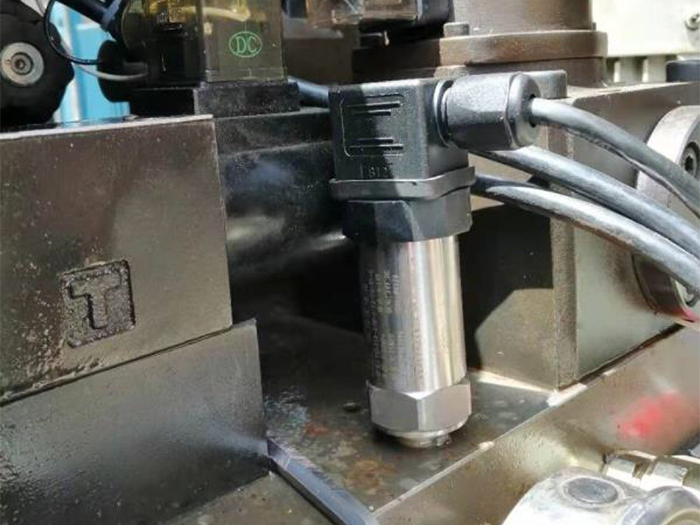
Maintaining optimal flow in pipelines is essential for efficient chemical processing. Pressure sensors installed along pipelines detect pressure drops or increases that may indicate blockages, leaks, or pump malfunctions. By providing immediate feedback, these sensors help operators maintain stable flow rates, prevent costly downtime, and ensure consistent product delivery.
4. Detecting Leaks and Abnormal Pressure Conditions in Hazardous Areas
The presence of hazardous materials necessitates specialized sensing solutions. Diffused silicon pressure sensors, particularly those certified as explosion-proof sensors, are critical for detecting subtle pressure changes that may signal leaks or abnormal conditions in hazardous areas. Their inherent stability and resistance to environmental factors ensure reliable operation where safety is paramount. We often recommend Safety in Hazardous Areas: Using Explosion-Proof Sensors for more details.
5. Managing Utility Systems Such as Steam and Compressed Air
Utility systems like steam and compressed air are vital for many chemical plant operations. Accurate pressure monitoring in these systems ensures efficient energy use and prevents equipment damage. Diffused silicon pressure sensors help maintain stable pressures, optimizing utility consumption and reducing operational costs. This contributes to overall plant efficiency and reliability.
Selecting the Right Diffused Silicon Pressure Sensor for Chemical Plant Needs
Choosing the appropriate diffused silicon pressure sensor requires careful consideration of several factors. The harsh nature of chemical environments demands sensors that can withstand specific operational challenges.
1. Evaluating Material Compatibility for Corrosive Media
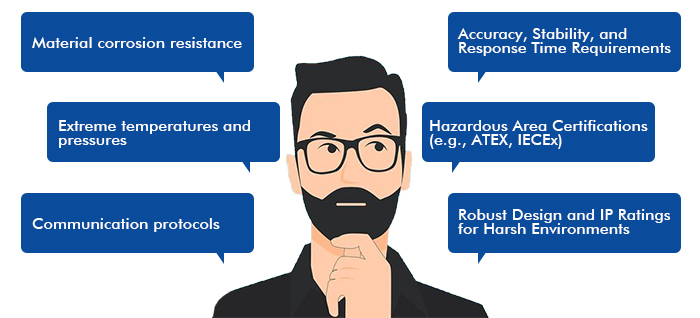
The wetted parts of a pressure sensor must be compatible with the media it measures. In chemical plants, this often means selecting materials resistant to highly corrosive acids, bases, or solvents. Stainless steel alloys (e.g., 316L, Hastelloy) and specialized coatings are common choices to ensure longevity and prevent sensor degradation. Material selection directly impacts sensor lifespan and measurement reliability.
2. Considering Temperature and Pressure Ranges for Extreme Conditions
Chemical processes often involve extreme temperatures and pressures. The selected sensor must operate reliably within these specified ranges without compromising accuracy or structural integrity. High-temperature applications may require remote seals or specialized cooling elements. Overpressure protection is also a critical consideration to prevent sensor damage during process upsets.
3. Assessing Accuracy, Stability, and Response Time Requirements
The required accuracy, long-term stability, and response time depend on the criticality of the measurement. For precise process control, high accuracy (e.g., ±0.1% FS) and excellent stability are essential. Fast response times are crucial for safety-critical applications where rapid pressure changes must be immediately detected. These performance metrics directly influence process safety and product quality.
4. Understanding Hazardous Area Certifications (e.g., ATEX, IECEx) for Safety Compliance
Many areas within chemical plants are classified as hazardous due to flammable gases or dusts. Sensors used in these environments must carry appropriate certifications, such as ATEX or IECEx, to ensure they do not become ignition sources. These certifications confirm that the sensor design adheres to strict safety standards for operation in potentially explosive atmospheres.
5. Exploring Communication Protocols and Integration with Control Systems
Modern chemical plants rely on integrated control systems. The chosen pressure sensor must support compatible communication protocols, such as 4-20 mA, HART, Modbus RTU, or Foundation Fieldbus. Seamless integration ensures that pressure data flows efficiently to PLCs, DCSs, or SCADA systems for monitoring, control, and data logging. This connectivity is vital for automation and remote management.
6. Importance of Robust Design and IP Ratings for Harsh Environments
Beyond material compatibility, the overall design and ingress protection (IP) rating of the sensor are crucial. An IP67 or IP68 rating indicates protection against dust and water ingress, essential for outdoor or washdown applications. Robust housing and cabling protect internal electronics from physical damage and environmental stressors, ensuring continuous operation.
Installation, Calibration, and Maintenance Best Practices
Proper installation, regular calibration, and diligent maintenance are critical for maximizing the performance and lifespan of diffused silicon pressure sensors in chemical plants. Adhering to best practices ensures accuracy, reliability, and safety.
1. Proper Installation Techniques to Maximize Sensor Lifespan and Accuracy
Correct installation begins with selecting the optimal mounting location, minimizing vibration and temperature fluctuations. Ensure proper sealing and thread engagement to prevent leaks. For corrosive media, use chemical seals or diaphragm seals to protect the sensor diaphragm. Always follow manufacturer guidelines for torque specifications and wiring connections. Incorrect installation can lead to inaccurate readings or premature sensor failure.
2. Routine Calibration Procedures for Sustained Performance
Regular calibration is indispensable for maintaining sensor accuracy over time. Chemical plant environments can cause sensor drift due to temperature changes, pressure cycling, or media exposure. Establish a calibration schedule based on process criticality and sensor history. Use certified calibration equipment and trained personnel to perform adjustments. Documentation of calibration results is essential for compliance and traceability.
3. Effective Maintenance Strategies to Prevent Downtime
Preventive maintenance extends sensor life and minimizes unexpected downtime. Regularly inspect sensors for signs of corrosion, physical damage, or loose connections. Clean process connections and impulse lines to prevent blockages. Proactive replacement of aging sensors or components, based on predictive maintenance data, can prevent costly process interruptions.
4. Troubleshooting Common Issues with Pressure Sensors in Chemical Plants
Common issues include zero drift, span errors, and intermittent readings. Zero drift often indicates temperature effects or sensor aging, requiring recalibration. Span errors might suggest calibration issues or sensor damage. Intermittent readings could stem from electrical noise, loose wiring, or process fluctuations. A systematic troubleshooting approach, starting with visual inspection and checking electrical connections, helps identify and resolve problems efficiently.
The Future of Pressure Sensing in Chemical Processing
The field of pressure sensing continues to evolve, driven by demands for greater precision, connectivity, and sustainability. Innovations promise to further enhance safety and efficiency in chemical processing.
1. Advancements in Sensor Technology and Smart Features
Future diffused silicon pressure sensors will likely feature enhanced embedded intelligence. This includes self-diagnosis capabilities, advanced temperature compensation algorithms, and improved long-term stability. Miniaturization will enable integration into smaller process lines and equipment. We also anticipate the development of novel materials for even greater chemical resistance and broader operating ranges.
2. Integration with Industry 4.0 and IoT for Predictive Maintenance
The integration of pressure sensors into Industry 4.0 architectures and the Industrial Internet of Things (IIoT) will revolutionize chemical plant operations. Sensors will transmit data wirelessly to cloud-based platforms for real-time analysis. This enables predictive maintenance, where potential failures are identified before they occur, minimizing downtime and optimizing maintenance schedules. This shift towards data-driven decision-making enhances overall plant reliability.
3. Sustainable and Eco-Friendly Pressure Measurement Solutions
As environmental regulations tighten, the demand for sustainable and eco-friendly sensing solutions will grow. This includes sensors with lower power consumption, reduced material footprints, and easier recyclability. Innovations may also focus on developing sensors that require less frequent calibration, reducing the need for calibration gases or liquids. These advancements contribute to greener chemical manufacturing processes.
Partner with Pokcenser Automation for Advanced Pressure Sensing Solutions
Reliable pressure measurement is non-negotiable in the demanding environment of chemical plants. At Pokcenser Automation, we specialize in providing high-quality pressure transmitters and comprehensive industrial process control solutions. Our expertise ensures that your operations benefit from precision, safety, and efficiency. Contact us today to discuss your specific needs and discover how our advanced sensing technologies can optimize your chemical plant processes.
Phone: +86 181 7515 5326
Email: in**@*******er.com
About the Author
Li Chengxuan is a senior industrial automation expert at Pokcenser Automation, specializing in the research and application of flow, level, pressure and temperature sensors and industrial process control solutions.
FAQs
1. What makes diffused silicon pressure sensors particularly suitable for chemical plants?
Diffused silicon pressure sensors are highly suitable due to their excellent accuracy, long-term stability, and robust construction. Their solid-state design resists vibration and shock, while the silicon diaphragm provides precise, repeatable measurements essential for critical chemical processes. This technology handles harsh conditions effectively.
2. How often should diffused silicon pressure sensors in chemical plants be calibrated?
Calibration frequency depends on process criticality, operating conditions, and regulatory requirements. For highly critical applications or harsh environments, annual or semi-annual calibration is often recommended. Less critical applications might allow for longer intervals, but regular checks are always prudent.
3. What certifications are important for pressure sensors used in hazardous chemical environments?
For hazardous chemical environments, certifications like ATEX (Europe) and IECEx (international) are crucial. These ensure the sensors are designed and tested to operate safely in potentially explosive atmospheres, preventing them from becoming ignition sources. Compliance with local safety standards is also necessary.
4. Can diffused silicon pressure sensors withstand highly corrosive chemicals?
Yes, diffused silicon pressure sensors can withstand highly corrosive chemicals when equipped with appropriate wetted materials. Manufacturers offer sensors with diaphragms and process connections made from corrosion-resistant alloys like Hastelloy, Monel, or tantalum, often combined with chemical seals for enhanced protection.
5. What are the main benefits of upgrading to diffused silicon pressure sensors in an existing chemical plant?
Upgrading provides enhanced safety through more accurate and reliable pressure monitoring, reducing the risk of incidents. It also improves operational efficiency by enabling tighter process control, reducing downtime, and optimizing resource consumption. The long-term stability and reduced maintenance needs offer significant cost savings.

