 English
 Spanish
Float vs. Radar Level Sensors: Choosing the Right Solution
Picking the right level sensor for industrial jobs is a huge deal, honestly. It really impacts how smoothly things run and how much money you end up spending. We often find ourselves scratching our heads, wondering whether a float or radar technology is the better fit. To make a smart choice, you really need to get down to brass tacks: understand how each one works, what it’s good at, and where it falls short. Here at Pokcenser Automation, we’ve been elbow-deep in industrial process control for over a decade, and that experience has given us some pretty solid insights into these technologies.
Understanding Float Level Sensors and Their Operation
1. The fundamental principles of float level measurement
Float level sensors are pretty straightforward, relying on a basic principle we all learned in science class: buoyancy. Imagine a little float, designed to be lighter than the liquid it’s in, bobbing up and down with the liquid’s surface. That vertical movement is then somehow translated into a signal that tells you the liquid level. There are a few clever ways this translation happens – sometimes it’s a magnetic connection to a reed switch, other times it’s mechanical linkages or even potentiometric elements. What’s key is that these sensors are inherently mechanical; they actually touch the stuff they’re measuring.
2. Key advantages of using float level sensors
Honestly, float sensors have some real perks. For starters, they’re usually pretty easy on the wallet, especially for simple tasks. Because they’re mechanical, you can generally figure them out and troubleshoot them without needing a Ph.D. They give you a direct, solid measurement that doesn’t get messed up by things like how conductive the liquid is, its dielectric constant, or even its density. Plus, they’re often intrinsically safe because they don’t typically use electricity right there in the tank. That makes them a good choice for all sorts of liquids, from plain old water to fuels and even some chemicals.
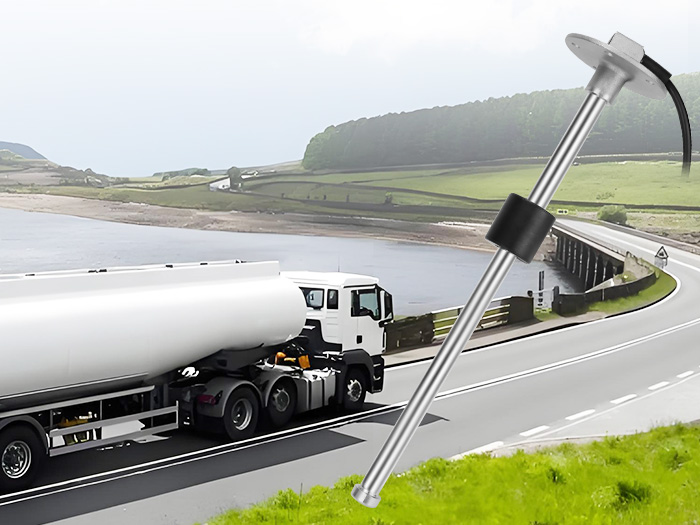
3. Limitations and considerations for float sensor applications
But let’s be real, despite their simplicity, float sensors aren’t perfect. All those moving parts? They can wear out, meaning more maintenance and a higher chance of failure if you’re dealing with abrasive or corrosive liquids. And if you’ve got foam, turbulence, or really thick liquids, that float might not move properly, throwing off your accuracy. They’re also a no-go for liquids that tend to crystallize or coat things, as the float will just get stuck. Oh, and their physical size can be a pain in smaller tanks or vessels with a lot of internal clutter. If you need super-high precision or want to measure without touching the liquid, you’re probably better off looking at other technologies. You might find more information on alternative sensors in Hydrostatic vs. Float Sensors: A Cost vs. Accuracy Guide.
Exploring Radar Level Sensors and Their Technology
1. How radar technology measures liquid and solid levels
Radar level sensors are pretty cool; they use electromagnetic waves to figure out how far away a surface is. Basically, a transmitter zaps microwave pulses down towards the liquid or solid. These pulses bounce off the surface and zip back to a receiver. The sensor then does some quick math based on how long that round trip took (what we call time-of-flight, or TOF) to calculate the level. This whole non-contact thing is a huge plus, especially when you’re dealing with tough environments. You’ll find Radar level sensors in a couple of flavors: guided wave radar (GWR) and non-contact radar, each with its own sweet spot for different applications.
2. The benefits of radar level sensing in industrial settings
Radar level sensors are truly a workhorse, giving you super accurate and reliable measurements that pretty much ignore changes in temperature, pressure, or density. Since they don’t touch the process media, there are no moving parts to wear out, which means less maintenance – a huge win! This makes them perfect for those nasty corrosive, abrasive, or super-hot applications. What’s more, radar sensors can even see through foam and vapor, which are notorious for messing with other sensor types. They’re fantastic for both liquids and solids, making them incredibly versatile across all sorts of industries. For more insights into radar technology, refer to Radar vs. Ultrasonic Level Sensors: A Selection Guide.
3. Challenges and application boundaries for radar sensors
Now, while radar sensors are incredibly versatile, they do have a few quirks. Their performance can be a bit sensitive to the dielectric constant of the material they’re measuring – that’s what affects how well the signal reflects. If you have a really low dielectric constant (like with some hydrocarbons), you might need a specialized radar sensor or a bigger antenna. Installation also takes a bit of thought; you have to consider the tank’s shape and any internal bits that could cause false echoes. And yeah, the initial cost is generally higher than float sensors. But honestly, their long-term reliability and lower maintenance often make that initial investment totally worth it.
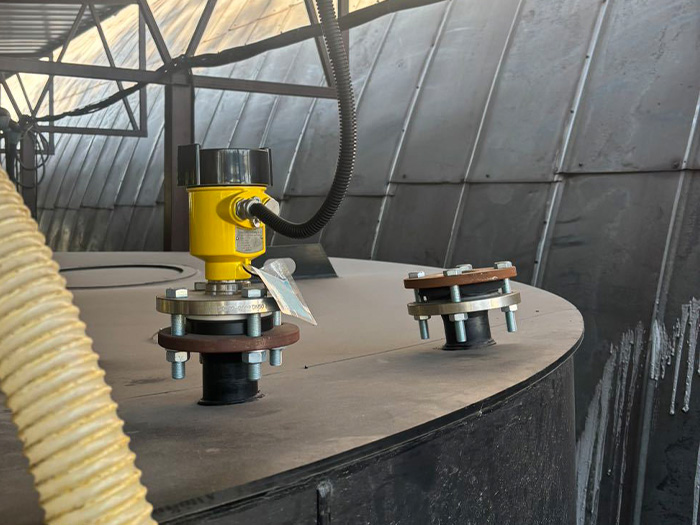
Critical Factors for Selecting Level Sensors
1. Analyzing process media characteristics and compatibility
The stuff you’re measuring – its properties are absolutely the most important thing when picking a sensor. Think about how thick it is, its density, if it’s corrosive, its temperature, pressure, and whether there’s foam, vapor, or solids floating around. For example, really thick or sticky liquids will gum up mechanical parts like floats, while corrosive chemicals demand materials that won’t just dissolve. Radar sensors, because they don’t touch anything, usually handle aggressive media much better.
2. Evaluating environmental conditions and operational demands
The environment itself plays a huge role in how well a sensor performs and how long it lasts. High temperatures, extreme pressures, vibrations, and hazardous areas all scream for tough sensors with the right certifications. For instance, explosion-proof sensors are a must-have in places where things could go boom. And what you actually need the sensor to do – like continuous monitoring versus just telling you if it’s high or low – also guides your choice.
3. Considering accuracy, range, and response time requirements
Accuracy is non-negotiable for keeping your process in check and knowing what you’ve got in stock. Radar sensors generally blow float sensors out of the water when it comes to accuracy, especially over longer distances. The measurement range tells you if a sensor is right for your tank size. And response time? That’s important too; some jobs need instant updates, while others can handle a bit of a delay.
4. Assessing installation complexities and maintenance needs
Installation can be a real headache, and it varies wildly. Float sensors often mean someone has to get inside the tank for installation or maintenance, which can halt operations. Radar sensors, especially the non-contact kind, can often be installed from the outside or through a nozzle, making life a lot easier. How often you have to maintain it and how easy it is to fix are also huge factors for your long-term operating costs.
5. Understanding cost implications and long-term value
The sticker price is just one piece of the puzzle when it comes to the total cost. You’ve got to factor in installation, calibration, maintenance, and even the potential cost of downtime or bad measurements if a sensor fails. While float sensors might look cheaper upfront, radar sensors often deliver better long-term value because they need less maintenance and last longer.
Direct Comparison of Float and Radar Level Sensors
| Feature | Float Level Sensors | Radar Level Sensors |
|---|---|---|
| Measurement Type | Contact (mechanical) | Non-contact (electromagnetic waves) |
| Media Type | Liquids (non-viscous, non-foaming) | Liquids and solids (versatile) |
| Accuracy | Moderate, depends on float movement | High, generally unaffected by process conditions |
| Reliability | Good, but susceptible to wear and fouling | Excellent, no moving parts in contact with media |
| Maintenance | Higher, due to moving parts and media contact | Lower, due to non-contact operation |
| Cost | Generally lower initial cost | Generally higher initial cost |
| Environmental Impact | Affected by foam, turbulence, viscosity | Less affected by foam, vapor, temperature, pressure |
| Installation | May require tank entry | Often simpler, can be installed externally/via nozzle |
| Hazardous Areas | Can be intrinsically safe | Available in explosion-proof versions |
1. Performance comparison across various industrial applications
When you look at different industrial applications, the performance gap between float and radar sensors can be pretty striking. Float sensors really shine in simple, clean liquid situations where cost is your main concern. Think basic water tanks or sumps – they’re perfect there. But throw in aggressive chemicals, high temperatures, or a lot of foam, and float sensors quickly become a headache, just unreliable. Radar sensors, especially Radar level sensors, on the other hand, stay accurate and stable even in those tough conditions, making them ideal for complex processes in places like chemical plants or oil & gas.
2. Durability and reliability in challenging environments
A sensor’s durability and reliability directly impact whether your operations stay up and running, and how safe they are. Float sensors, with all their moving parts, are just more likely to wear out, especially if they’re in abrasive or corrosive stuff. That means you’ll be checking and replacing them more often. Radar sensors, because they don’t actually touch the media, are far more durable and reliable in harsh industrial settings. This cuts down on unexpected shutdowns and just makes the whole process more solid. We’re all about providing tough solutions for demanding jobs.
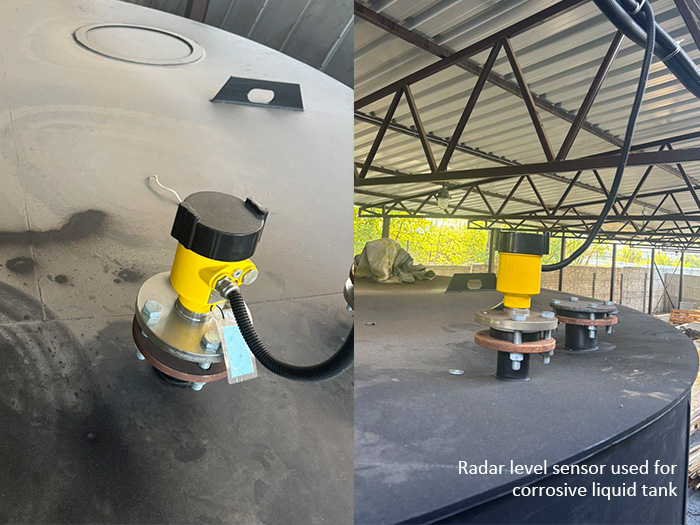
3. Cost-effectiveness and total cost of ownership analysis
While float sensors often have a lower price tag upfront, you really need to do a full total cost of ownership (TCO) analysis. That TCO includes installation, maintenance, calibration, and all those potential costs that come with downtime or inaccurate measurements. Radar sensors, despite that higher initial investment, usually end up costing less in the long run because they need so little maintenance and just keep going and going. This long-term financial benefit often makes that initial price difference totally worth it, especially for critical applications.
Practical Applications for Each Sensor Type
1. Ideal scenarios where float sensors excel
Float sensors are truly at their best when you need something simple, affordable, and direct. These are the sweet spots:
1. Water tanks and reservoirs: Great for just knowing the level and kicking on a pump in non-critical water storage.
2. Sump pits: Perfect for spotting high or low levels and turning on pumps to prevent overflows or dry runs.
3. Fuel tanks: In smaller, simpler fuel storage setups where you don’t need super-precise, continuous readings.
4. Simple chemical storage: For chemicals that aren’t corrosive, aren’t too thick, and won’t gunk up the float.
5. Wastewater treatment: In certain stages where there isn’t much solid stuff and you just need basic on/off level switching.
2. Optimal uses for radar level sensors
Radar level sensors are definitely the go-to for tough jobs that demand high accuracy, reliability, and non-contact measurement. Think of these scenarios:
1. Chemical Tanks and reactors: Absolutely essential for corrosive, high-temperature, or high-pressure liquids.
2. Oil and gas industry: You need precise measurements of crude oil, refined products, and liquefied gases in storage tanks here.
3. Food and beverage processing: Perfect for hygienic applications where you absolutely cannot have contamination from contact.
4. Pharmaceutical Industries: Critical for super-precise level control of sensitive ingredients and products.
5. Solids level measurement: In silos and hoppers, whether it’s powders, granules, or big bulk materials.
6. Wastewater treatment plants: For continuous level monitoring in clarifiers, digesters, and equalization basins, especially when foam or sludge is an issue.
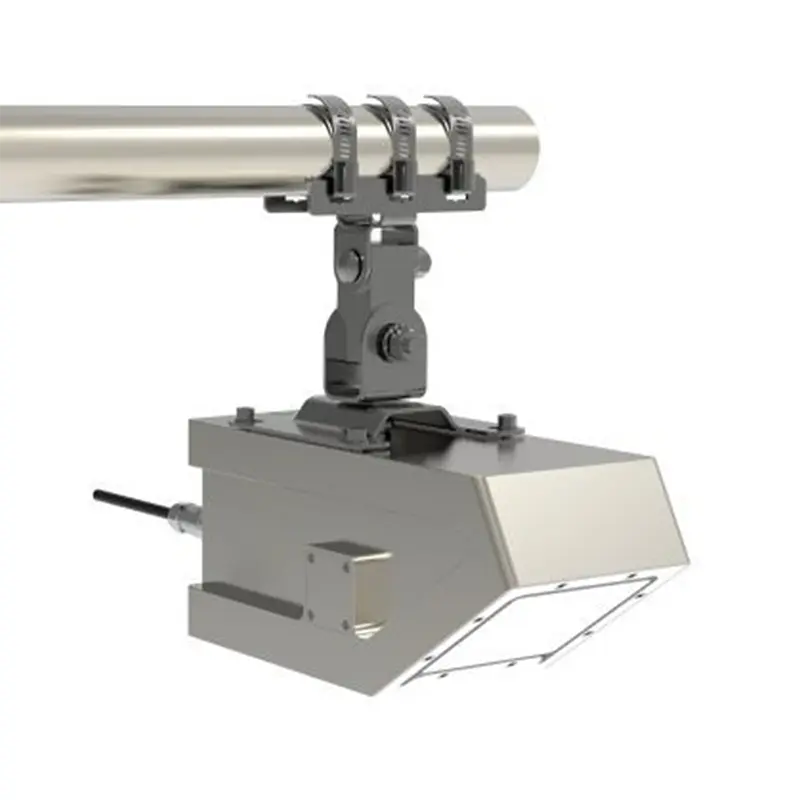
3. Hybrid approaches and integrated solutions for complex systems
Sometimes, in really complex setups, mixing and matching float and radar sensors can be a brilliant move. For example, you might have a radar sensor handling the continuous, super-accurate measurements, while a float switch acts as a separate high-level or low-level alarm for safety. That kind of redundancy really boosts system reliability and safety. And when you throw in advanced control systems, you can really optimize level management by pulling data from all sorts of sensors.
Contact Us for Your Level Sensing Needs
Honestly, figuring out whether to go with a float or radar level sensor really comes down to a deep dive into your specific application. Here at Pokcenser Automation, we’ve been doing this for over 10 years, providing industrial process control solutions. We’re happy to share our expertise to help you pick the tech that’s just right, making sure you get top performance and great value. Don’t hesitate to reach out today to chat about what you need.
Phone: +86 181 7515 5326
Email: in**@*******er.com
About the Author
Li Chengxuan is a senior industrial automation expert at Pokcenser Automation, specializing in the research and application of flow, level, pressure and temperature sensors and industrial process control solutions.
FAQs
1. What are the primary differences between float and radar level sensors?
Okay, so float sensors use a little buoyant object that just bobs with the liquid level, giving you a direct, mechanical measurement. They’re all about contact. Radar sensors, on the other hand, shoot out electromagnetic waves that bounce off the liquid or solid surface, and they measure how long that takes to figure out the level. Those are non-contact.
2. In which applications is a float level sensor generally preferred over a radar level sensor?
You’ll usually prefer float sensors when cost-effectiveness and simplicity are your main drivers. Think basic water tanks, sumps, or simple storage for non-viscous, non-foaming chemicals. They’re also a good call if you don’t have much power at the measurement point or just don’t want electricity there.
3. When should I consider a radar level sensor instead of a float level sensor?
Definitely consider a radar level sensor if you’re dealing with corrosive, thick, or really hot/pressurized liquids. They’re also your best bet when foam, turbulence, or solid particles are in the mix, or when super high accuracy and minimal maintenance are crucial for continuous monitoring.
4. How do environmental factors like temperature and pressure affect the performance of these sensors?
Float sensors can definitely get thrown off by extreme temperatures and pressures; it might change the liquid’s density or cause mechanical issues. Radar sensors, though, are pretty much unfazed by temperature and pressure changes, giving you stable performance across a huge range of environmental conditions.
5. Can float and radar sensors be used together in a single application?
Absolutely! Using both float and radar sensors together is actually a pretty common and smart move for boosting reliability and safety. A radar sensor can give you that continuous level measurement, while a float switch acts as a backup high or low alarm, making sure critical safety functions are still covered even if one system decides to take a nap.

