 English
 Spanish
Flow Meter Selection: Balancing Cost and Performance for Optimal Value
Choosing the right flow meter for your operations, it’s a bit like picking the right tool for a delicate job – you need to balance what you pay upfront with how well it’s going to perform over the long haul. We’ve seen firsthand how much this decision can sway everything from how precise your processes are to how much you’re shelling out for maintenance, and ultimately, your bottom line. From where we stand, having walked countless clients through this, a good, hard look at both the price tag and the performance specs is absolutely non-negotiable if you want to get real value in an industrial setting. Our goal here? To cut through the noise and help you navigate this often-tricky selection process, making sure your final choice hits that sweet spot between your budget and what your technical needs truly demand.
Understanding the Critical Role of Flow Meters in Industrial Processes
1. Defining Flow Measurement and Its Importance
At its heart, flow measurement is simply about quantifying how much fluid – be it liquid or gas – is moving through a pipe or conduit. But don’t let that simple definition fool you; this process is absolutely foundational across a huge array of industries. Think chemical plants, oil and gas operations, water treatment facilities, and manufacturing lines – they all rely on it. Getting accurate flow data isn’t just a nice-to-have; it’s essential for controlling processes, balancing materials, and staying compliant with regulations. When you measure precisely, you’re not just ensuring product quality, you’re also optimizing how you use resources and keeping your operations safe.
2. The Impact of Accurate Flow Measurement on Operations and Profitability
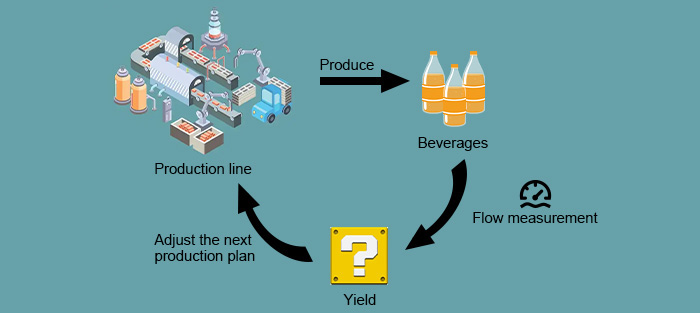
Let’s be blunt: accurate flow measurement directly impacts how efficiently you run your business and, more importantly, how much money you make. If your measurements are off, even a little, you’re looking at wasted raw materials, energy going up in smoke, and products that just don’t meet spec. On the flip side, spot-on flow data lets you dose precisely, manage energy like a pro, and keep your processes humming along reliably. All of this, as you can imagine, directly translates into lower operating costs and fatter revenues. Take chemical processing, for example; I’ve seen minor inaccuracies snowball into significant financial losses over time – it’s truly astounding.
Key Factors Influencing Flow Meter Cost and Performance
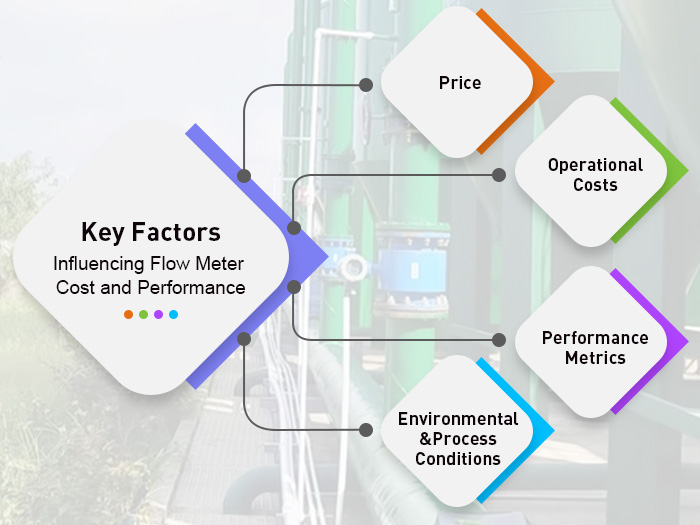
1. Initial Purchase Price and Installation Expenses
The sticker price of a flow meter can swing wildly, depending on the technology it uses, the materials it’s made from, and all the bells and whistles it comes with. Then there are the installation costs, which include everything from labor to modifying pipes and getting the whole thing up and running. If you’re looking at a complex installation – maybe it needs specialized welding or means shutting down operations for a bit – those upfront expenses are going to climb. Interestingly, some of the more advanced meters, despite their higher purchase prices, can actually be simpler to install, potentially bringing down your total initial outlay. It’s not always as straightforward as it seems.
2. Operational Costs: Maintenance, Calibration, and Energy Consumption
Beyond the initial purchase, you’ve got to factor in the ongoing operational costs. We’re talking routine maintenance, those periodic calibrations, and, of course, the energy it consumes. Meters with moving parts, for instance, often demand more frequent TLC, which means more labor and a steady supply of spare parts. How often you calibrate really depends on how accurate you need to be and how stable your process is. And don’t forget energy! Some flow meters, like certain types of differential pressure meters, can actually rack up significant energy bills just from the pressure drop they create.
3. Performance Metrics: Accuracy, Repeatability, and Turndown Ratio
When we talk about performance, a few terms always come up. Accuracy is pretty self-explanatory: how close is the measurement to the actual, true value? Repeatability is about consistency – if you measure the same thing under the same conditions, do you get the same result every time? And the turndown ratio? That’s the range of flow rates a meter can handle accurately, from the absolute minimum to the maximum. These metrics are absolutely critical, especially for applications where you need pinpoint precision and a lot of operational flexibility. Naturally, meters that boast higher performance in these areas usually come with a higher price tag, but they often deliver greater operational benefits that make the investment worthwhile.
4. Environmental and Process Conditions: Temperature, Pressure, and Fluid Properties
The environment and process conditions are huge determinants in picking the right flow meter. You have to think about the fluid’s temperature, the operating pressure, and its specific properties – things like viscosity, density, and how corrosive it is. The meter you choose has to be able to stand up to these conditions without its accuracy or lifespan taking a hit. For example, if you’re dealing with corrosive fluids, you’ll need specialized materials, and that’s definitely going to bump up the meter’s cost.
Types of Flow Meters: A Cost-Performance Comparison
1. Mechanical Flow Meters: Weighing Simplicity Against Precision
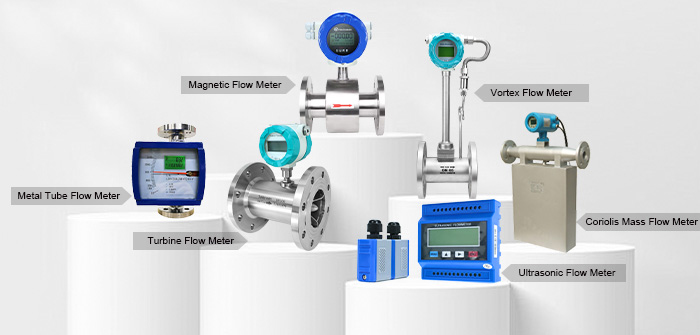
Mechanical flow meters, like the trusty variable area (rotameters) and turbine meters, are generally pretty kind to your wallet and a breeze to install. They’re good on the repeatability front, but honestly, their accuracy often lags behind more advanced tech, and their turndown ratio can be a bit limited. You might find yourself doing more maintenance with these because of their moving parts, which, let’s face it, are prone to wear, especially if you’re dealing with abrasive fluids. The LZS Series Plastic Tube Flowmeters are a solid, economical choice for non-corrosive liquids, while our LZ Metal Tube Flow Meters are built like tanks for tougher environments. If you’re curious to dive deeper, you might want to check out Flow Meter Selection: Turbine vs. Electromagnetic vs. Ultrasonic Flow Meters.
2. Differential Pressure Flow Meters: Assessing Reliability and Application Scope
Differential pressure (DP) flow meters – think orifice plates, Venturi tubes, and nozzles – are everywhere, and for good reason. They’re reliable and can handle a vast range of applications. They work by measuring the pressure drop across a constriction. While their initial costs are usually pretty moderate, getting them installed properly requires some serious engineering, and they can actually cost you more in energy down the line because of the permanent pressure loss they create. Their accuracy, by the way, really hinges on precise calibration and stable fluid properties.
3. Magnetic Flow Meters: Evaluating Accuracy in Conductive Fluids
Magnetic flow meters, or electromagnetic flow meter (magmeter) as they’re often called, are incredibly accurate for conductive liquids and slurries. They’re fantastic because they cause no pressure drop, demand very little maintenance, and boast a wide turndown ratio. Sure, their initial cost is typically higher than mechanical meters, but their long-term benefits – that accuracy and low maintenance – often make them a very smart investment. Just a heads-up: they’re a no-go for non-conductive fluids like hydrocarbons or gases.
4. Ultrasonic Flow Meters: Analyzing Non-Invasive Technology and Versatility
Ultrasonic Flow Meters are pretty cool because they measure flow without ever touching the fluid. This non-invasive approach makes them incredibly versatile, perfect for situations where you absolutely can’t interrupt the process. You can find them in clamp-on, insertion, and in-line versions. While the upfront cost can range from moderate to high, their installation is generally simpler, and they require very little maintenance. Our PWF-U Series Ultrasonic Flowmeters, for example, offer fantastic accuracy and versatility for all sorts of liquids. For more insights, you might find Flow Meter Selection: Turbine vs. Electromagnetic vs. Ultrasonic Flow Meters useful.
5. Coriolis Mass Flow Meters: Understanding High Precision and Cost Implications
If you’re after the absolute pinnacle of precision, Coriolis Meters are your go-to. They directly measure mass flow, density, and temperature, making them indispensable for critical applications that demand super accurate mass balance or custody transfer. Now, I won’t lie, their initial cost is significantly higher than most other types. But here’s the kicker: their superior accuracy and complete lack of moving parts translate into incredibly low maintenance and substantial long-term operational savings. Plus, they’re incredibly versatile, handling a vast range of fluids, even the really viscous or non-conductive ones.
6. Vortex Flow Meters: Considering Durability and Wide Temperature Range
Vortex flow meters work by detecting the little whirlpools (vortices) created by a bluff body placed in the flow path. They’re tough as nails, have no moving parts, and can handle a wide variety of fluids, including gases, steam, and even low-viscosity liquids. You get good accuracy and a decent turndown ratio with these. Initial costs are moderate, and maintenance is low, which is always a plus. Just remember, they need a minimum flow speed (Reynolds number) to work effectively and can be a bit sensitive to disturbances in the flow profile.
Making an Informed Decision: A Step-by-Step Selection Guide
1. Defining Your Application Requirements and Constraints
Before you even think about specific meters, you absolutely have to get down to brass tacks about your application. What kind of fluid are you dealing with? What are its properties – viscosity, density, corrosivity? What are the temperature and pressure ranges? And what’s the flow rate range you need to measure? Don’t forget to nail down the required accuracy, repeatability, and how quickly it needs to respond. Are there any pesky regulatory requirements or hazardous area classifications you need to worry about? This initial deep dive is the bedrock for picking the perfect flow meter.
2. Calculating Total Cost of Ownership (TCO) for Different Flow Meter Types
This is where many people trip up. You must calculate the Total Cost of Ownership (TCO) for any potential flow meter. TCO isn’t just the price tag; it’s the initial purchase, installation costs, energy consumption, maintenance, and all those calibration expenses spread out over the meter’s entire lifespan. Trust me, a cheaper initial price doesn’t always mean a lower TCO. For instance, a super-accurate meter with a higher upfront cost might actually save you a fortune in the long run by cutting down on wasted product or slashing energy bills.
3. Prioritizing Performance Needs Versus Budgetary Limitations
It’s a classic dilemma, isn’t it? You’ve got to weigh your performance needs against the cold, hard reality of your budget. If you’re looking at a critical application where even tiny errors could lead to massive losses, then, by all means, justify investing in that high-accuracy meter. But for less critical processes, a more economical option might be perfectly fine. The trick is to find that sweet spot, balancing the performance you want with what your finances allow, always keeping an eye on the long-term return on investment.
4. Leveraging Vendor Expertise and Support for Optimal Selection
Honestly, don’t try to go it alone. Lean on the experts, like us at Pokcenser Automation. Our team has seen it all and can offer invaluable insights into your specific applications, guiding you toward the right solutions. We’re not just here to sell you a meter; we offer comprehensive support, from that initial evaluation all the way through to after-sales service. Our goal is to make sure you pick the most appropriate and cost-effective flow meter for your needs. We’ll help you dissect your entire application to recommend solutions that truly fit.
Pokcenser Automation’s Flow Meter Solutions: Matching Needs with Technology
At Pokcenser Automation, we’ve got a whole arsenal of flow meters, designed to hit that perfect balance between cost and performance for just about any industrial need you can imagine. Our main products are built with reliability and precision in mind, even for the toughest environments.
1. LZS Series Plastic Tube Flowmeters: Economical and Corrosion-Resistant Options
For those applications where you need something economical and tough against corrosion, our LZS Series Plastic Tube Flowmeters are absolutely ideal. They’re transparent, which is super handy for visual monitoring, and they’re a great fit for the chemical industry, lighter manufacturing, and water treatment. Their simple design and robust plastic shell mean they stand up beautifully to acids and alkalis, promising a long, dependable life.
2. LZ Metal Tube Flow Meters: Robust Solutions for Harsh Environments
When things get really tough – high temperatures, intense pressures, or seriously corrosive environments – our LZ Metal Tube Flow Meters step up to the plate. These all-metal construction meters are incredibly robust and reliable, perfect for measuring both liquids and gases in sectors like petrochemicals and power generation. They boast low pressure loss and can even come with optional LCD displays for even better monitoring.
3. PWF-U Series Ultrasonic Flowmeters: High-Accuracy, Non-Invasive Measurement
Our PWF-U Series Ultrasonic Flow Meter solutions are all about high-accuracy, non-invasive flow measurement. This series is pretty comprehensive, featuring multi-channel clamp-on models (like the PWF-U2000MCC), insertion types (PWF-U2000MCI), and even small pipe clamp-on options (PWF-U1000). They’re incredibly versatile, a breeze to install without ever interrupting your process, and suitable for a huge variety of liquids, including those in water and wastewater treatment. If you’re looking for minimal maintenance and top-notch precision, these are a fantastic choice.
Partner with Pokcenser Automation for Optimal Flow Meter Solutions
Look, choosing the right flow meter isn’t just another checkbox; it’s a strategic move that profoundly impacts your operational efficiency and your costs for years to come. Here at Pokcenser Automation, we bring over a decade of hard-won expertise and a comprehensive product portfolio to the table, all to deliver solutions perfectly tailored to you. Our team is genuinely eager to help you navigate the often-complex world of flow meter selection, ensuring you strike that ideal balance between cost and performance for your unique application. Why not reach out today? Let’s chat about your requirements and explore how our advanced flow measurement technologies can truly optimize your processes.
Phone: +86 181 7515 5326
Email: in**@*******er.com
About the Author
Li Chengxuan is a senior industrial automation expert at Pokcenser Automation, specializing in the research and application of flow, level, pressure and temperature sensors and industrial process control solutions.
FAQs
1. What is the most cost-effective flow meter for basic water flow measurement?
For straightforward water flow measurement in applications that aren’t super critical, you’ll generally find that mechanical flow meters, like our LZS Series Plastic Tube Flowmeters, are the most cost-effective. They’re simple to install and usually offer enough accuracy for many general uses. However, you should always, always consider the fluid properties and the measurement range you need to make sure it’s truly suitable.
2. How does flow meter accuracy impact long-term operational costs?
Flow meter accuracy plays a massive role in your long-term operational costs. Think about it: higher accuracy means less waste, optimized resource usage, and fewer headaches with product quality issues. When your measurements are precise, you minimize errors in material balance, leading to more efficient processes and, over time, substantial savings on raw materials and energy. It also significantly reduces the risk of costly downtime that can stem from inaccurate readings.
3. Can a single flow meter type be used for both liquid and gas applications?
Honestly, most flow meter technologies are designed specifically for either liquids or gases, because the fundamental properties and measurement principles are just so different. For example, magnetic flow meters need conductive liquids, while thermal mass flow meters are built for gases. Some technologies, like vortex or Coriolis meters, can measure both, but their performance characteristics might vary quite a bit between the two fluid phases.
4. What are the benefits of non-invasive ultrasonic flow meters?
Non-invasive Ultrasonic Flow Meters come with a whole host of benefits. For starters, they’re incredibly easy to install – no cutting pipes! – and they create no pressure drop. They’re also fantastic for corrosive or abrasive fluids. They minimize process downtime during both installation and maintenance, making them super versatile for various industrial applications where maintaining process integrity is paramount. Plus, that clamp-on design really cuts down on the risk of leaks.
5. How often should industrial flow meters be calibrated?
The calibration frequency for industrial flow meters isn’t a one-size-fits-all answer. It really hinges on several factors: how accurate you need to be, how stable your process is, any regulatory requirements you have to meet, and, of course, the manufacturer’s recommendations. Critical applications usually demand more frequent calibration – think annually – while less critical ones might stretch it out to every few years. Regular calibration is absolutely essential for ensuring continued accuracy and staying compliant.

