 English
 Spanish
Pipeline vs. Open Channel Flow Meters: A Comprehensive Selection Guide
Selecting the appropriate flow meter sets the tone for accuracy and reliability throughout an industrial process. The choice between pipeline and open channel devices hinges on where and how the fluid moves, and we’ve seen good systems stumble over a poor meter match. With a clear grasp of operating principles, limits, and site conditions, it becomes far easier to pick a meter that performs well now and holds up over time. Here, we clarify the differences and share our recommendations based on what consistently works in the field.
Understanding the Fundamental Differences Between Pipeline and Open Channel Flow Measurement
Flow measurement underpins process control and environmental monitoring. We group instruments into pipeline and open channel types based on the conduit. Pipeline flow meters work in closed, pressurized systems where the pipe runs full. Open channel flow meters handle conduits with a free surface exposed to air, such as rivers, canals, and partially filled pipes. That single change in environment drives different measurement principles and instrument designs.
In pipelines, electromagnetic flow meters and ultrasonic flow meters are mainstays. An electromagnetic flow meter, or magmeter, measures flow by sensing the voltage induced as a conductive liquid passes through a magnetic field. This suits conductive media. Ultrasonic Flow Meters use sound to determine velocity, serving a broader range of liquids, including those with suspended solids. Selection hinges on fluid properties and the accuracy target.
Open channel measurement often relies on primary structures like weirs and flumes to establish a predictable level-to-flow relationship. Ultrasonic sensors commonly read the level, which is converted to flow; velocity-area methods are also used in some cases. The challenge is keeping the hydraulics consistent and accounting for environmental influences.
These approaches map cleanly to real work. In chemical processing, precise pipeline measurement governs dosing and control. In Water and Wastewater Treatment plants, open channel meters monitor influent and effluent. Understanding these fundamentals is the first filter when choosing technology.
Key Criteria for Selecting the Optimal Flow Meter: A Detailed Comparison
Choosing the right flow meter starts with a few non-negotiables: accuracy, pressure and temperature limits, fluid compatibility, and upkeep. We match these to the application’s demands. The table below compares common types for pipeline and open channel use.
| Feature | LZS Series Plastic Tube Flowmeter (Pipeline) | LZ Metal Tube Flow Meter (Pipeline) | PWF-U2000MCC (Pipeline) | PWF-U2000MCI (Pipeline) | PWF-U1000 (Small Pipe Clamp-on) | PWF-UOC3000 (Open Channel) |
|---|---|---|---|---|---|---|
| Type | Variable Area (Rotameter) | Variable Area (Rotameter) | Clamp-on Ultrasonic | Insertion Ultrasonic | Clamp-on Ultrasonic | Ultrasonic (Level-based) |
| Accuracy | ±4% | 1.5% or 2.5% | ±0.5% FS (multi-channel) | ±0.5% FS (multi-channel) | ±2% (±1% after calibration) | ±0.5% FS |
| Pressure | ≤0.6 MPa | 1.5 times rated pressure | N/A (clamp-on) | N/A (insertion) | N/A (clamp-on) | N/A (open channel) |
| Temperature | 0–60 ℃ | -40 to 400 ℃ | -30 to 160 ℃ | -30 to 160 ℃ | 0–75 ℃ | -20 to 60 ℃ |
| Fluid Type | Liquids | Liquids, Gases | Homogeneous Liquids | Homogeneous Liquids | Water, single-phase liquids | Water, Sewage |
| Material | AS or PC tube, SS304, ABS float | All-metal | Cast Aluminum | Stainless Steel | Aluminum, industrial plastics | ABS, PTFE |
| Installation | Thread/Flange | Flange | Clamp-on | Insertion | Clamp-on | Non-contact |
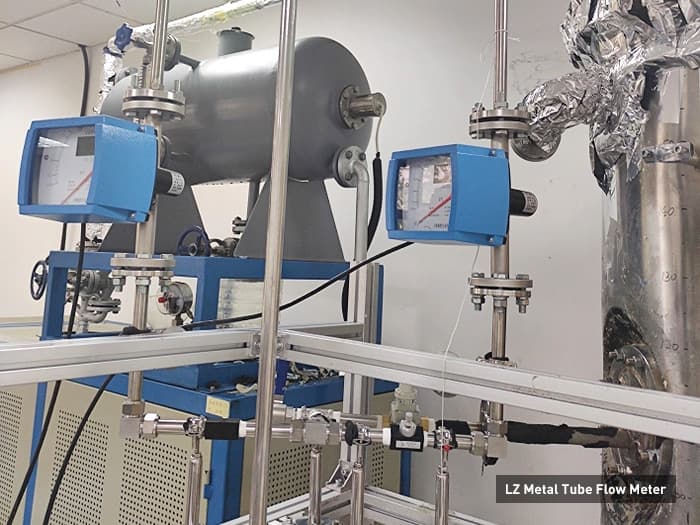
For pipeline service, the LZ Metal Tube Flow Meter handles high temperature and pressure well, fitting petrochemical and power duties. The LZS Series Plastic Tube Flowmeter is a cost-effective pick for simpler liquid tasks. For non-invasive setups, PWF-U2000MCC and PWF-U1000 Ultrasonic Flow Meters deliver high accuracy and quick installation without stopping flow. The PWF-U2000MCI insertion ultrasonic meter installs without shutting the line.
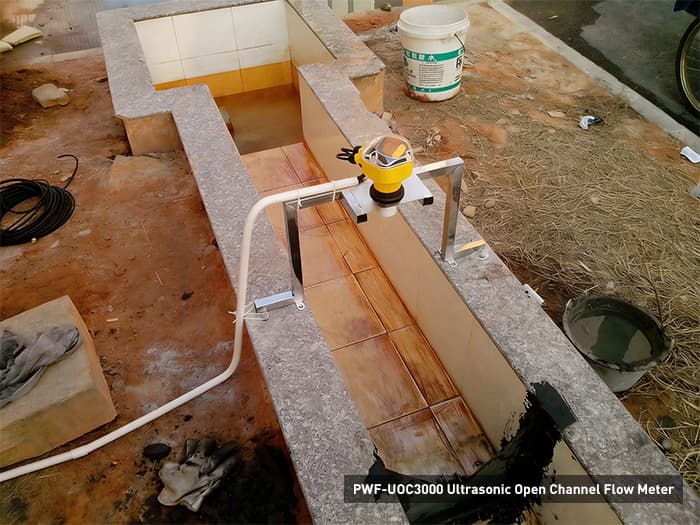
In open channels, the PWF-UOC3000 Ultrasonic Open Channel Flow Meter targets partially filled conduits with accurate, level-based flow. It’s a strong fit for environmental monitoring and water resource work. We weigh each site’s specifics before recommending a path.
Pros and Cons of Pipeline Flow Meters Across Diverse Industrial Applications
Pipeline meters underpin tight process control and monitoring. Benefits include high accuracy, suitability for pressurized lines, and broad fluid compatibility. electromagnetic flow meters are strong with conductive liquids, offering high accuracy and low pressure loss. They see heavy use in food and beverage, pharmaceuticals, and chemical processing where hygiene and precise dosing matter.
There are trade-offs. Many installations require cutting into the line, which can mean downtime and cost. Maintenance can be tricky in hazardous or hard-to-reach areas. Wetted materials must match the chemistry to avoid corrosion, a key consideration in the chemical sector. The LZ Metal Tube Flow Meter, built all-metal, thrives in harsh service but may not suit every corrosive medium.
Even with those hurdles, in controlled settings the upside often wins. Continuous, real-time data supports immediate adjustments that improve efficiency and quality. We evaluate needs case by case to align performance with budget. If you are interested in learning more about different flow meter technologies, read our article on 《Flow Meter Selection: Turbine vs. Electromagnetic vs. Ultrasonic Flow Meters》.
Advantages and Challenges of Open Channel Flow Meters in Water and Wastewater Management
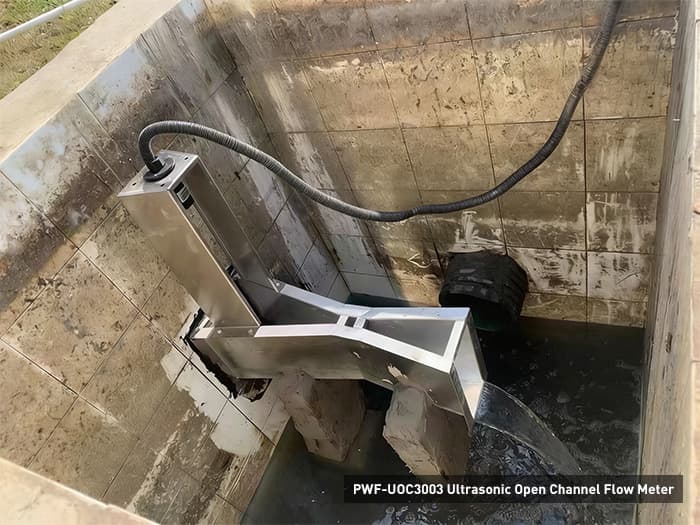
Open channel meters are central to water resource management and regulatory compliance. Their strength is measuring when pipes are not full, common in Water and Wastewater systems, irrigation networks, and natural streams. The PWF-UOC3000/3003 Ultrasonic Open Channel Flow Meter provides non-contact measurement that lowers maintenance and avoids contamination, a clear advantage with raw sewage or abrasive fluids.
They do face hurdles. Debris, uneven velocity profiles, and shifting geometry can affect accuracy. Weather and temperature swings can drift readings. Careful site selection and calibration reduce these risks. Installing primary devices like weirs or flumes adds civil work and upfront cost but stabilizes the hydraulics for better measurement.
Even so, continuous monitoring from open channel meters delivers the data needed for water management, pollution control, and reporting. That visibility supports resource planning and helps prevent environmental harm. We tailor solutions to handle these complexities in Environmental Monitoring and Rivers.
Making an Informed Decision: Expert Recommendations for Your Specific Flow Measurement Needs
Choosing between pipeline and open channel meters, then narrowing to a specific technology, starts with the application context. We look at fluid properties and flow regime alongside environment, budget, and lifecycle maintenance to make a sound call.
For closed conduits, consider an electromagnetic flow meter for conductive liquids or an Ultrasonic Flow Meter for non-conductive or slightly contaminated fluids. In harsh service, the LZ Metal Tube Flow Meter offers robust performance. For small pipes, the PWF-U1000 is compact and accurate.
For open channels, ultrasonic level-based systems such as the PWF-UOC3000 are often the practical, reliable route. Non-contact operation reduces wear and simplifies upkeep. Where needed, we factor in integrated temperature and pressure measurement to strengthen data quality and usefulness.
Our aim is dependable performance with long-term value. We draw on a decade of experience and a broad product range to provide recommendations that fit. With our support, you get proven technology and responsive service aligned to industrial automation requirements.
Frequently Asked Questions
What are the primary differences in installation for pipeline vs. open channel flow meters?
Pipeline flow meters mount within a closed pipe and must match pipe size, material, and pressure. Open channel meters go into open conduits such as rivers, canals, or partially filled pipes and often rely on weirs or flumes to condition the flow. Installation centers on site characteristics and keeping flow undisturbed.
How does fluid type influence the selection between these two flow meter categories?
Fluid type is a deciding factor. Pipeline meters can handle clean liquids through to viscous or corrosive chemicals, depending on the technology used, such as magnetic for conductive liquids, ultrasonic for clean or dirty liquids, and Coriolis for mass flow. Open channel meters are used mainly for water and wastewater where the surface is exposed and solids are common. Solids content, aeration, and specific chemical traits guide the best principle in both categories.
Can Pokcenser Automation provide customized solutions for unique flow measurement challenges?
Yes, Pokcenser Automation provides customized OEM & ODM solutions. With over a decade of experience and a dedicated pre-sales team, we assess the full application and recommend or develop flow meter solutions tailored to your process for optimal performance and long-term reliability. We aim for long-term cooperation and value creation for our clients worldwide.
Contact Us Today
Ready to optimize your industrial flow measurement? Contact Pokcenser Automation’s expert team today for a free consultation and tailored solution recommendation. Leverage our 10+ years of experience and global support to ensure precise and reliable flow control in your operations. Email us at in**@*******er.com or call +86 181 7515 5326.

