 English
 Spanish
The Ultimate Guide to Ceramic Pressure Sensors for Corrosive & Aggressive Media
When conventional pressure sensors fail in harsh chemical environments, the consequences can be catastrophic—from costly production downtime to safety hazards and environmental incidents. Ceramic pressure sensors have emerged as the gold standard solution for measuring pressure in corrosive and aggressive media, offering unmatched chemical resistance and long-term stability where metallic sensors simply cannot survive.
From pharmaceutical manufacturing and chemical processing to wastewater treatment and food production, industries dealing with acids, alkalis, solvents, and other aggressive substances require pressure measurement solutions that can withstand extreme conditions without degradation. This comprehensive guide explores why corrosion-resistant pressure sensors have become indispensable in these demanding applications and how to select the right solution for your specific needs.
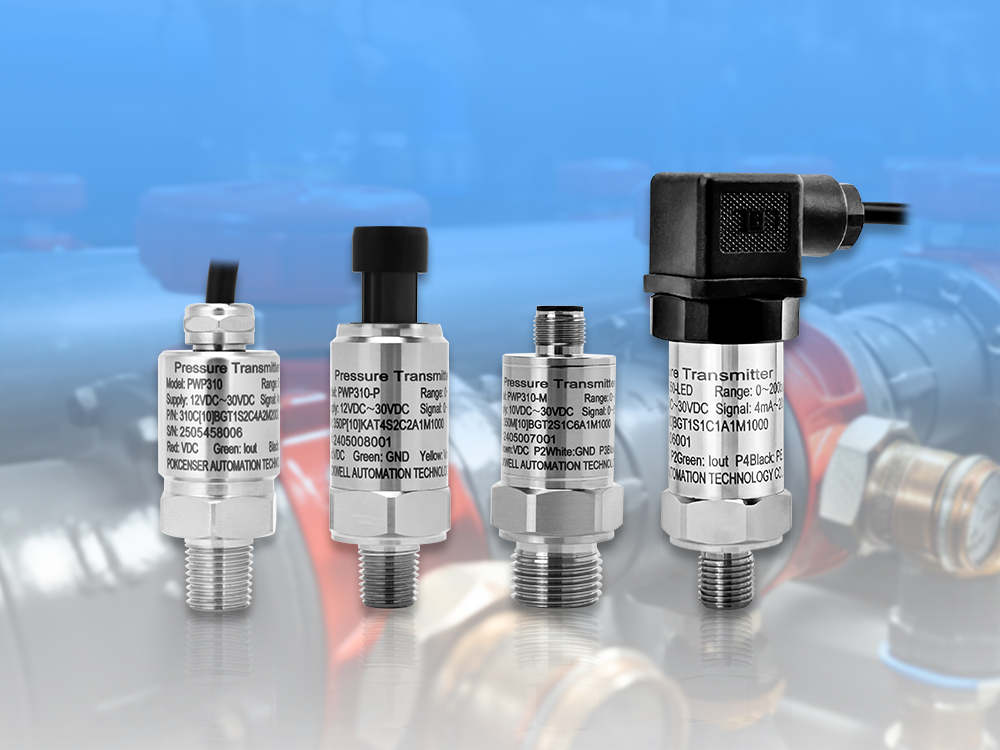
Ceramic pressure sensor designed for corrosive and aggressive media measurement.
What Makes Ceramic Pressure Sensors Unique?
Ceramic pressure transducers differ fundamentally from traditional metal-diaphragm sensors in their sensing element construction. The heart of these devices is a thick-film or thin-film ceramic diaphragm—typically made from aluminum oxide (Al₂O₃) or zirconium oxide (ZrO₂)—that serves as both the pressure-sensing element and the media-contacting surface.
Unlike stainless steel diaphragms that can corrode, pit, or degrade when exposed to aggressive chemicals, ceramic materials exhibit exceptional chemical inertness. The chemical-resistant pressure sensor design places the ceramic diaphragm in direct contact with the process media, while strain gauges or capacitive elements bonded to the back of the diaphragm detect microscopic deflections caused by pressure changes.
This unique construction provides several critical advantages: near-universal chemical compatibility, zero porosity (eliminating media penetration), excellent long-term stability, and the ability to measure pressure accurately even in media that would rapidly destroy conventional sensors. The dry ceramic pressure sensor design—where electronics remain completely isolated from process media—ensures reliable operation even with the most aggressive substances.
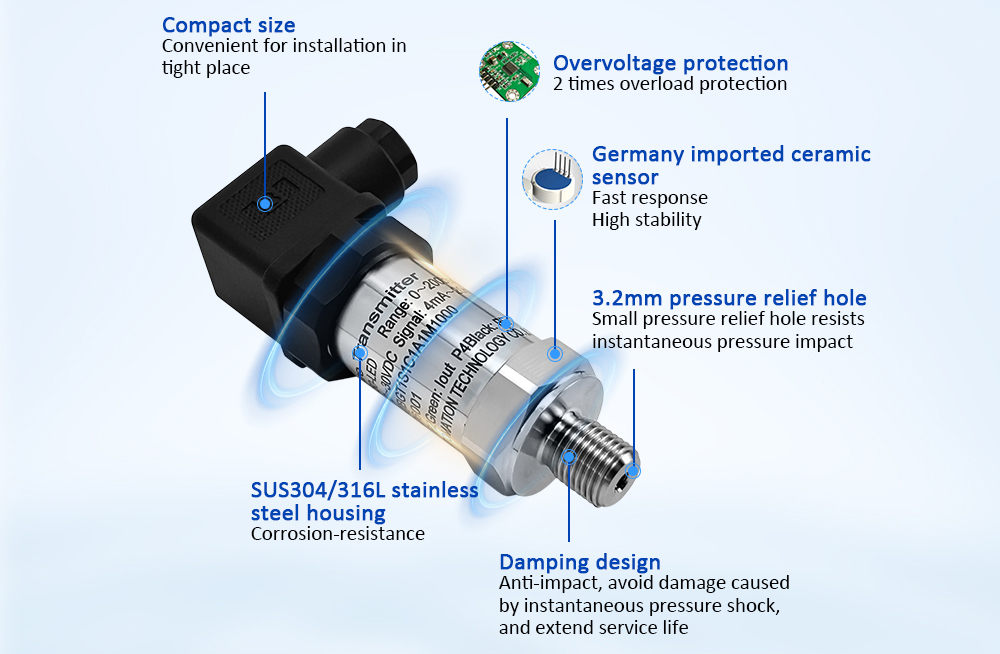
Internal structure of a ceramic pressure sensor showing diaphragm and sensing elements.
Industries and Applications Requiring Corrosion-Resistant Pressure Measurement
Chemical processing represents perhaps the most demanding application environment for pressure sensors. Manufacturing facilities producing acids, bases, solvents, and specialty chemicals operate with substances that aggressively attack most materials. Pressure sensors for aggressive media installed in reactor vessels, distillation columns, and transfer lines must withstand continuous exposure to concentrated sulfuric acid, hydrochloric acid, sodium hydroxide, and organic solvents without performance degradation.
Pharmaceutical and biotechnology manufacturing requires pressure monitoring in processes involving aggressive cleaning agents and sterilization chemicals. CIP (Clean-in-Place) and SIP (Steam-in-Place) procedures expose sensors to high-concentration caustic solutions, acids, and superheated steam—conditions that demand chemical-resistant pressure transducers capable of withstanding thermal cycling and chemical exposure without calibration drift.
Water and wastewater treatment facilities face unique challenges with corrosive media ranging from chlorine solutions and ozone to acidic or alkaline process streams. Corrosion-proof pressure gauges monitoring filtration systems, chemical dosing pumps, and treatment reactors must maintain accuracy despite continuous exposure to these harsh chemicals.
Food and beverage production increasingly utilizes ceramic sensors for applications involving acidic products (fruit juices, dairy, fermentation), aggressive cleaning chemicals, and high-temperature sterilization. The non-porous ceramic surface prevents bacterial growth and contamination, making these sensors ideal for hygienic applications requiring frequent cleaning.
Experiencing premature sensor failures in corrosive environments? Contact our application engineers for a free compatibility assessment and solution recommendation tailored to your specific media and process conditions.
Ceramic vs. Metallic Sensors: Understanding the Critical Differences
The fundamental distinction between ceramic diaphragm pressure sensors and traditional metallic sensors lies in their chemical resistance profiles and failure modes. Stainless steel 316L, the most common material for conventional pressure sensors, offers good general corrosion resistance but remains vulnerable to specific chemicals—particularly chlorides, acids at elevated temperatures, and certain organic compounds.
When stainless steel corrodes, it typically exhibits pitting corrosion, crevice corrosion, or stress corrosion cracking—failure modes that can occur suddenly and without warning. Corroded sensors produce erratic readings, drift out of calibration, or fail completely, potentially compromising process control and safety systems.
Industrial ceramic pressure sensors, by contrast, demonstrate exceptional resistance to virtually all chemicals except hydrofluoric acid and some molten alkalis. The dense, non-porous ceramic structure prevents chemical penetration and eliminates the electrochemical corrosion mechanisms that affect metals. This results in predictable, stable performance over extended service life—often 5-10 years in applications where metallic sensors might fail within months.
Temperature performance also differentiates these technologies. Quality acid-resistant pressure sensors with ceramic diaphragms typically operate reliably from -40°C to +150°C, with some specialized variants handling up to 200°C. The low thermal expansion coefficient of ceramic materials minimizes temperature-induced measurement errors, a critical advantage in processes with significant temperature variations.
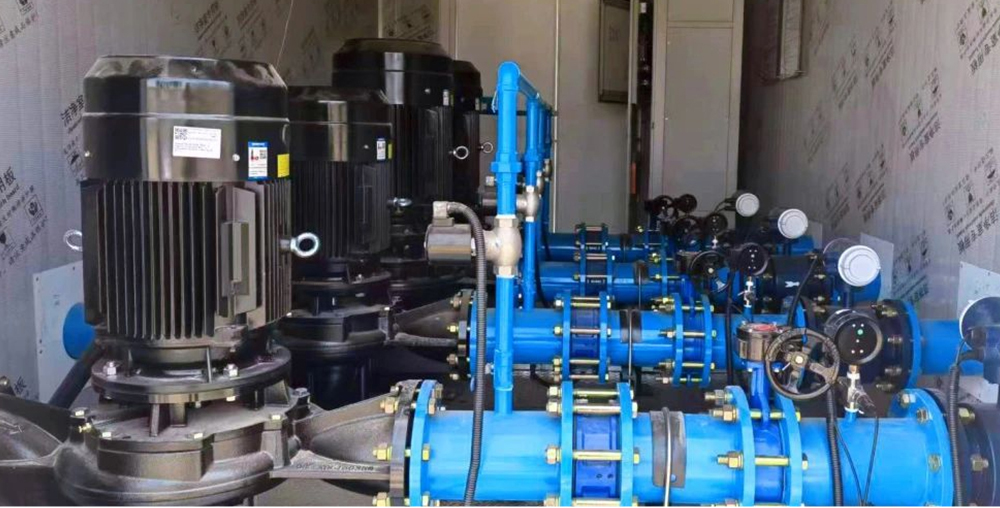
Industries using ceramic pressure sensors for corrosive and chemically aggressive processes.
Key Technical Specifications and Selection Criteria
Selecting the optimal corrosive media pressure sensor requires careful evaluation of several technical parameters and application requirements. Pressure range compatibility is fundamental—ceramic sensors are available spanning ranges from 0-1 bar for low-pressure applications up to 0-600 bar for high-pressure industrial processes. Overpressure rating, typically 2-3x the nominal range, provides important safety margin against pressure spikes.
Accuracy specifications for quality ceramic sensors typically range from ±0.25% to ±0.5% of full scale, with premium models achieving ±0.1% accuracy. Long-term stability—the sensor’s ability to maintain calibration over time—is particularly important in corrosive environments. Superior alkali-resistant pressure sensors maintain calibration within ±0.25% annually, minimizing recalibration requirements and associated downtime.
Output signal options influence system integration. Traditional 4-20mA analog output remains common for simple installations, while HART, Modbus, and other digital protocols enable advanced diagnostics and remote configuration. Some modern solvent-resistant pressure transmitters offer multiple output configurations and programmable ranges for maximum flexibility.
Process connection design impacts installation and maintenance. Flush-mount diaphragm configurations eliminate dead spaces where media could collect or crystallize, critical for applications with viscous fluids, slurries, or crystallizing substances. Thread types (NPT, BSPT, G-thread) and connection sizes must match existing infrastructure, while consideration of mounting orientation ensures optimal performance and media drainage.
Temperature compensation methods affect measurement accuracy across operating temperature ranges. Analog compensation using matched resistor networks provides basic correction, while digital compensation with microprocessor-based algorithms delivers superior accuracy. For applications with wide temperature variations, digital compensation is worth the incremental cost.
Installation Best Practices for Maximum Service Life
Proper installation of high-temperature ceramic pressure sensors significantly impacts measurement accuracy and service life. Process connection location should avoid turbulent flow regions, cavitation zones, and areas where particulates or crystals might accumulate. Ideally, mount sensors in straight pipe sections away from elbows, valves, and pumps that generate pressure pulsations.
When installing in vertical pipes, mounting orientation matters. For gas or vapor service, install sensors at the top of pipes to prevent liquid accumulation. For liquid service, side-mounting or bottom-mounting prevents gas pocket formation against the diaphragm. Include isolation valves when possible to enable sensor removal without process shutdown—a critical feature for maintenance planning.
Electrical installation requires attention to signal integrity and safety. Shielded cables minimize electromagnetic interference in electrically noisy industrial environments. Proper grounding prevents ground loops that can introduce measurement noise. For hazardous area installations, ensure sensors carry appropriate certifications (ATEX, IECEx, FM, CSA) and follow explosion-proof wiring practices.
Initial commissioning should include zero verification with sensor isolated from process pressure, followed by span verification using calibrated test equipment or comparison with a traceable reference standard. Document baseline readings to establish a performance benchmark for future maintenance activities.
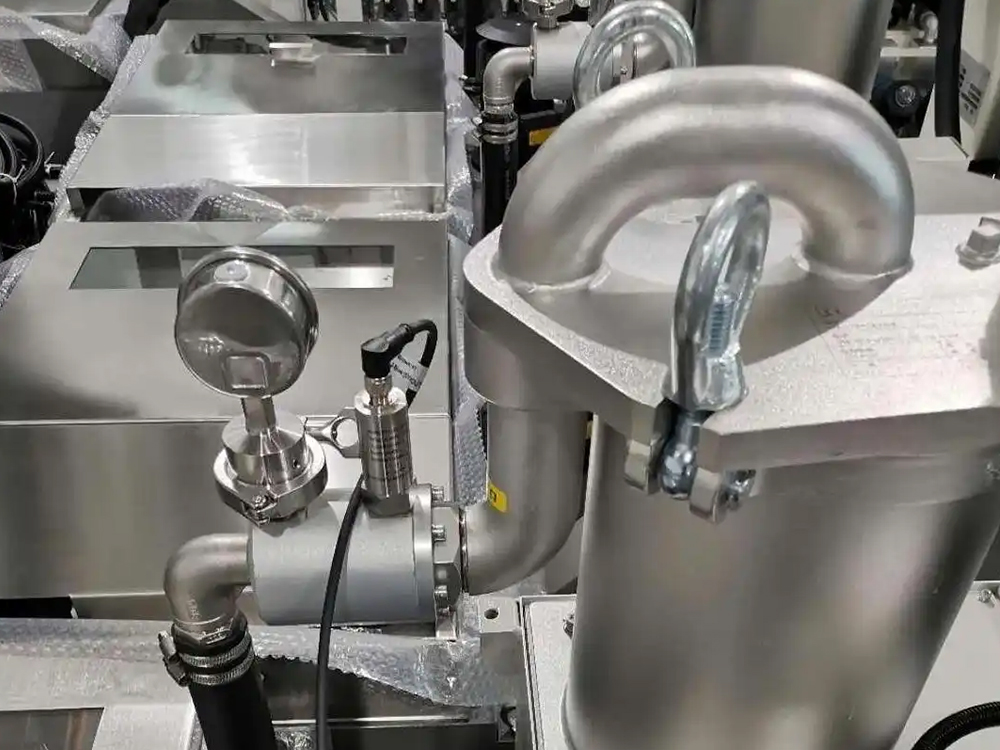
Comparison of ceramic and stainless steel diaphragms in corrosive environments.
Maintenance and Troubleshooting of Ceramic Sensors
Despite their exceptional durability, ceramic pressure sensors require periodic maintenance to ensure continued accuracy and reliability. Inspection intervals depend on application severity—quarterly for highly aggressive media, semi-annually for moderate conditions, and annually for less demanding applications. Visual inspection should check for physical damage, process buildup on the diaphragm, and electrical connection integrity.
Diaphragm cleaning procedures vary by application. Many ceramic sensors tolerate vigorous cleaning without damage, but always consult manufacturer recommendations. For crystallized deposits, gentle dissolution using appropriate solvents typically works better than mechanical scraping. Some installations benefit from periodic flushing with cleaning solutions between production runs to prevent buildup.
Calibration verification ensures measurement accuracy hasn’t drifted beyond acceptable limits. While ceramic sensors demonstrate excellent stability, calibration checks every 12-24 months represent good practice for critical applications. Comparison against a portable calibrator or reference standard identifies sensors requiring adjustment or replacement.
Common troubleshooting issues include signal instability (often caused by electromagnetic interference or loose connections), zero offset (potentially indicating diaphragm contamination or temperature effects), and complete signal loss (typically electrical connection problems or transmitter electronics failure). Systematic diagnosis starting with electrical connections and progressing to diaphragm inspection typically identifies problems quickly.
How Ceramic Sensors Reduce Total Ownership Cost?
Pressure transducers for corrosive environments command premium prices compared to standard stainless steel sensors—typically 2-4x the cost of equivalent metallic devices. However, total cost of ownership analysis consistently demonstrates significant economic advantages for ceramic technology in harsh applications.
Consider a chemical processing application where stainless steel sensors fail every 6-12 months due to corrosion. Beyond the sensor replacement cost ($200-500), each failure incurs installation labor ($150-300), process downtime ($500-5,000+ depending on production value), and potential safety incidents. Annual costs easily reach $1,000-10,000+ per measurement point.
A quality ceramic sensor costing $800-1,500 but lasting 5-10 years delivers dramatically lower total cost of ownership. Extended service life eliminates frequent replacements, reduces maintenance labor, and prevents production disruptions. For facilities with dozens or hundreds of pressure measurement points in corrosive service, the accumulated savings can be substantial—often tens of thousands of dollars annually.
Beyond direct cost savings, ceramic sensors provide less tangible but equally important benefits: improved process control stability (fewer sensor failures means fewer control upsets), enhanced safety (eliminated risk of corrosion-related sensor failures in critical safety systems), and reduced environmental compliance risk (prevented releases from failed sensors).
Ready to eliminate recurring sensor failures and reduce maintenance costs? Schedule a consultation with our pressure measurement specialists to evaluate your applications and calculate your potential ROI with ceramic sensor technology.
Ceramic Sensors as the Long-Term Solution for Harsh Environments
In applications involving corrosive, aggressive, or reactive media, ceramic pressure sensors represent not just a premium option but often the only viable long-term solution. Their exceptional chemical resistance, dimensional stability, and extended service life deliver superior performance and economics compared to conventional metallic sensors that face premature failure in harsh chemical environments.
As industrial processes continue to push boundaries with more aggressive chemicals, higher temperatures, and demanding cleanliness requirements, ceramic sensor technology will become increasingly essential. Recent advances in manufacturing have made these sensors more accessible and affordable while improving performance characteristics—making now an ideal time to evaluate ceramic solutions for your challenging pressure measurement applications.
The choice between recurring sensor failures with conventional technology or long-term reliability with ceramic solutions becomes clear when you calculate total cost of ownership and consider the operational risks of measurement system failures. For any application involving corrosive or aggressive media, ceramic pressure sensors deserve serious consideration as your primary measurement technology.
Frequently Asked Questions
Q: Can ceramic pressure sensors measure vacuum as well as positive pressure?
A: Yes, most ceramic sensors can measure compound ranges including vacuum (negative gauge pressure). Common compound ranges include -1 to +3 bar, -1 to +10 bar, and similar configurations. Always verify the specific model’s capabilities with the manufacturer.
Q: Are ceramic sensors suitable for food-grade and pharmaceutical applications?
A: Absolutely. Ceramic sensors are ideal for these applications due to their non-porous surface that prevents bacterial growth, excellent chemical resistance to cleaning agents, and ability to withstand CIP/SIP procedures. Look for models with FDA-compliant materials and appropriate hygienic certifications (3-A, EHEDG).
Q: What chemicals can damage or attack ceramic pressure sensors?
A: While ceramic exhibits exceptional chemical resistance, hydrofluoric acid (HF) at any concentration will attack ceramic materials. Hot concentrated phosphoric acid and molten alkalis at very high temperatures can also affect some ceramic formulations. For these specific chemicals, consult with the manufacturer about specialized ceramic grades or alternative solutions.
Q: How do ceramic sensors perform with media containing suspended solids or slurries?
A: Ceramic sensors with flush-mount diaphragms handle particulate-laden media very well, as the smooth, hard ceramic surface resists abrasion and the flush design prevents particle accumulation in dead spaces. However, for highly abrasive slurries, consider the particle hardness and velocity—even ceramic can wear under extreme abrasion conditions.
Q: Can I replace a metal-diaphragm sensor with a ceramic sensor without process modifications?
A: In most cases, yes. Ceramic sensors are available with standard process connections (NPT, BSPT, flanges, tri-clamp) and output signals compatible with existing instrumentation. Key considerations are physical dimensions, pressure range compatibility, and electrical output matching. Consult dimension drawings to verify drop-in compatibility.
Q: Do ceramic pressure sensors require special calibration equipment or procedures?
A: No, ceramic sensors calibrate using standard pressure calibration equipment—deadweight testers, pneumatic calibrators, or hydraulic calibrators. The calibration procedure is identical to metallic sensors. The primary difference is ceramic sensors typically maintain calibration longer, reducing recalibration frequency.

