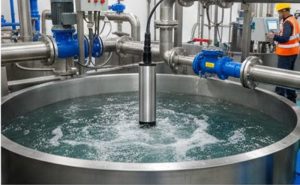
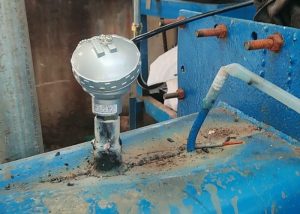
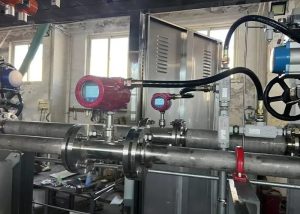
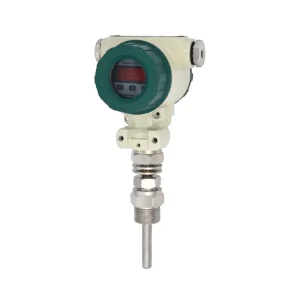
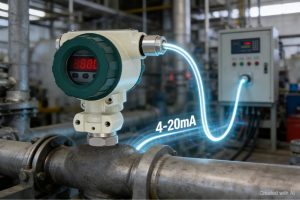
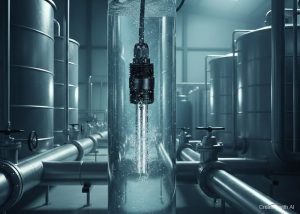
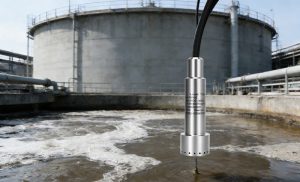
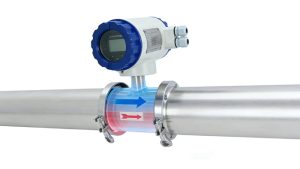
Accurate temperature sensing in high-heat industrial settings isn't optional. Get it wrong, and you're looking at process drift, wasted energy, or worse. With over a decade in the field and more than 150,000 solutions deployed globally, Pokcenser Automation builds high temperature sensing systems that hold up where standard equipment fails. What Makes High Temperature Environments So Hard on Sensors Furnaces, kilns, and reactors don't care about your instrumentation budget. In oil & gas, chemical processing, and food production, temperatures routinely exceed what conventional sensors were designed to handle. The heat induces thermal stress that degrades materials over time. Sensor drift...
 English
 Spanish