 English
 Spanish
Non-Contact Flow Meters: Essential for Old Pipe Networks
Aging pipe networks make accurate flow measurement tricky. Traditional intrusive methods can worsen damage and drive up costs. The need is clear: reliable data without compromising infrastructure integrity. Here, we look at how non-contact flow meters meet that need, delivering precision while keeping disruption to a minimum in these delicate systems.
Understanding the Unique Challenges of Flow Measurement in Aging Pipe Networks
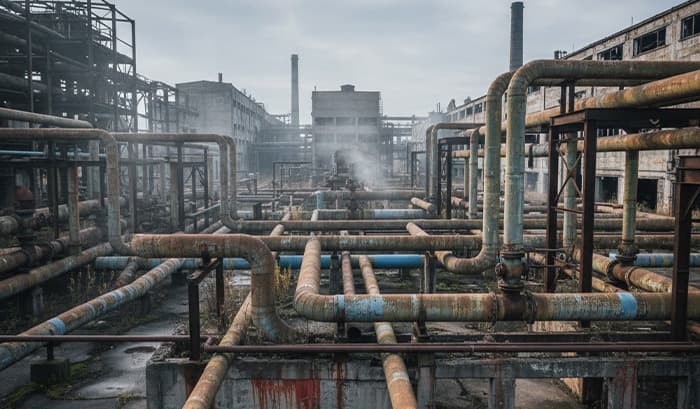
Old pipe networks, often decades old, present significant challenges for accurate flow measurement. Corrosion, scaling, sediment buildup, and material degradation reduce effective diameter, increase friction, and weaken structural integrity. These conditions alter flow dynamics and undermine the reliability of traditional intrusive methods.
The Deterioration and Integrity Issues of Old Pipes
Old pipe networks, often decades old, present significant challenges for accurate flow measurement. Issues such as corrosion, scaling, sediment buildup, and material degradation lead to reduced pipe diameter, increased friction, and compromised structural integrity. These factors directly impact flow dynamics and the reliability of traditional intrusive flow measurement methods. Internal linking: If you’re interested, check 《Submersible Level Transmitters: Key Specs to Check First》.
Limitations of Traditional Intrusive Flow Meters in Compromised Infrastructure
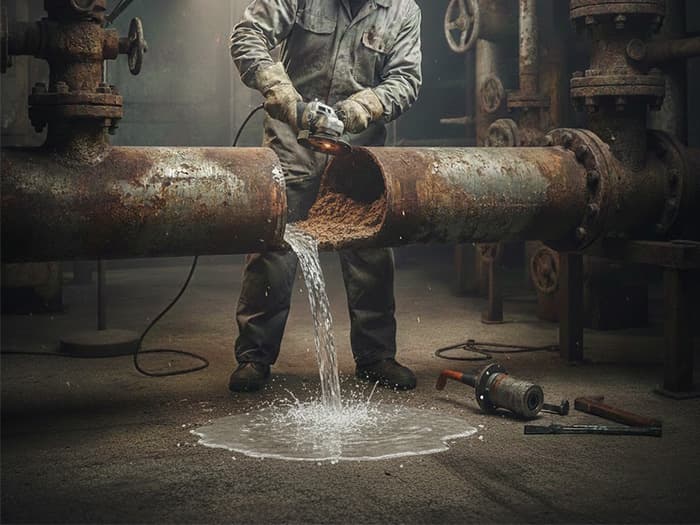
Traditional intrusive flow meters, which require pipe cutting and direct contact with the fluid, often become impractical or risky in old networks. Installation can further weaken fragile pipes, causing leaks, extended downtime, and costly repairs. Accuracy also suffers when internal conditions are rough or biofouled, a common reality in aging systems. Drawbacks with methods like orifice plates or turbine meters stand out in this context.
The Advantages of Non-Contact Flow Meters for Old Pipe Systems
Non-contact flow meters offer a robust path forward for aging infrastructure. By avoiding direct contact with the pipe, they protect structural integrity and simplify installation. The data they deliver remains accurate and dependable, which supports better decisions in older networks.
Minimizing Disruption and Ensuring System Integrity with Non-Invasive Technology
Non-contact flow meters avoid pipe modifications entirely. This non-invasive approach preserves the structural integrity of aging pipes, reducing the risk of leaks, bursts, and expensive repairs. Installation is faster and safer and does not require a shutdown, which cuts operational downtime and related losses. That matters in critical infrastructure where continuous operation is non-negotiable. Internal linking: If you’re interested, check 《Flow Meter Selection: Turbine vs. Electromagnetic vs. Ultrasonic Flow Meters》.
Enhanced Accuracy and Reliability in Challenging Environments
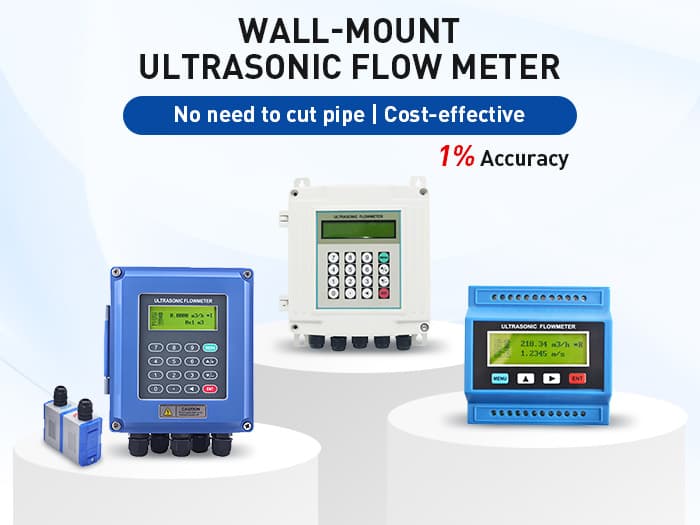
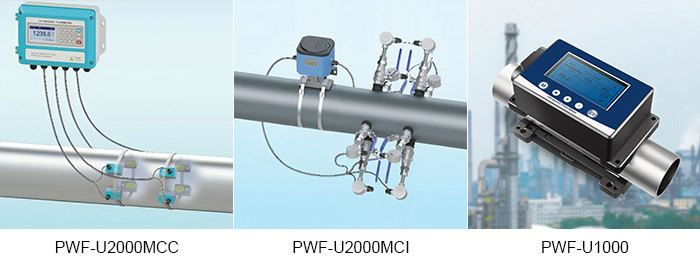
Even without touching the fluid, modern non-contact flow meters, especially ultrasonic designs, deliver highly accurate and reliable measurements. Advanced signal processing and temperature compensation features, as in PWF-U2000MCC and PWF-U2000MCI, adapt to varying fluid conditions and pipe characteristics. They avoid the pitfalls of corrosion, pressure swings, and buildup that trouble traditional meters, maintaining consistent performance over time.
Key Non-Contact Flow Meter Technologies and Their Applications
Non-contact flow meters rely on different technologies to measure flow without directly contacting the fluid. Each option fits specific applications. Here are the most common types and where they excel.
Clamp-on Ultrasonic Flow Meters: Versatility and Ease of Installation
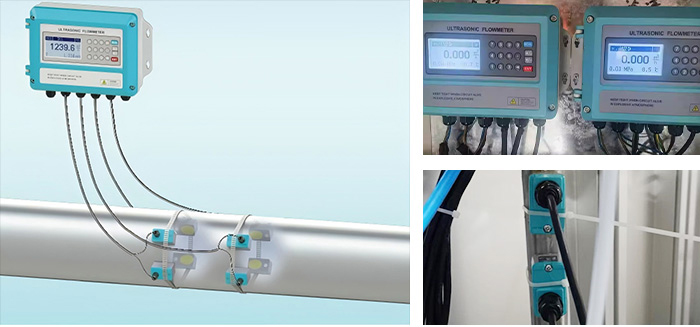
Clamp-on ultrasonic flow meters, such as Pokcenser’s PWF-U2000MCC and PWF-U1000, suit old pipe networks thanks to external mounting. They transmit ultrasonic signals through the pipe wall and calculate transit time differences between upstream and downstream pulses. This method is highly versatile, compatible with pipe materials like metal, PVC, PP, and PVDF, across DN15 to DN6000, and works with a wide range of liquids. Because they are non-invasive, there is no pressure drop, no moving parts to wear, and no contamination risk.
Insertion Ultrasonic Flow Meters: Precision Without Full Shutdown
When a more direct measurement path is needed without a full shutdown, insertion ultrasonic flow meters like Pokcenser’s PWF-U2000MCI offer a strong alternative. Installation uses a small tap and a special tool to insert the transducer while the pipe remains in service. The more direct path can boost accuracy, especially on large pipes or where internal conditions are challenging. They retain minimal disruption and robust performance. Internal linking: If you’re interested, check 《Ultrasonic Flow Meters》.
Radar Flow Meters: For Open Channels and Non-Contact Level Measurement
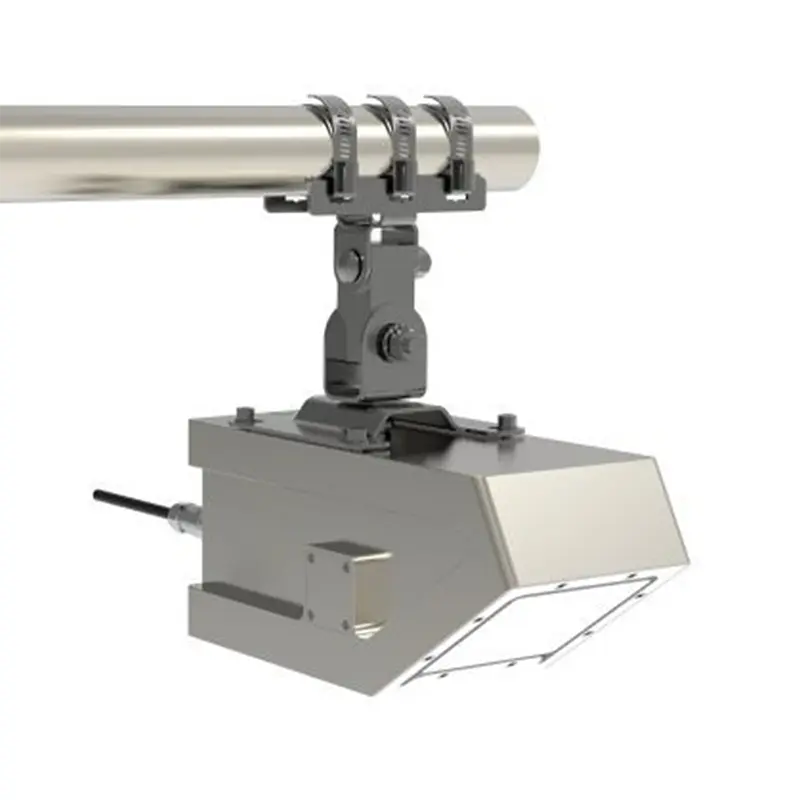
Radar flow meters, such as the PWF-R600S and PWF-R600, perform well in open channel applications and for non-contact level measurement. They use radar waves to measure velocity and level from above the flow, making them a fit for wastewater treatment plants, rivers, and irrigation systems. Non-intrusive measurement keeps them unaffected by fouling and corrosive media.
Thermal Mass Flow Meters: Accurate Gas Measurement
Thermal mass flow meters, like the PWF-TGMF, are purpose-built for accurate gas flow measurement. They measure mass flow directly, removing the need for external temperature and pressure compensation. They suit industrial gas uses such as compressed air, natural gas, and other process gases. Internal linking: If you’re interested, check 《13 Reasons Why High-Accuracy Gas Measurement with Thermal Mass Flow Meters Matters in Modern Industry》.
Selecting the Right Non-Contact Flow Meter for Your Aging Infrastructure
Choosing the optimal non-contact flow meter requires careful consideration of several factors. We guide you through the selection process to ensure the best fit for your specific needs.
Critical Factors for Optimal Non-Contact Flow Meter Selection
Choosing the appropriate non-contact flow meter involves evaluating several key factors. These include pipe material and diameter, fluid type and temperature, required accuracy, installation environment, and budget. For instance, smaller pipes (DN15-DN40) might benefit from the PWF-U1000, while larger industrial applications could utilize the multi-channel PWF-U2000MCC or PWF-U2000MCI. Consideration of signal output (4-20mA, RS485 Modbus RTU) and power supply options is also crucial for integration into existing control systems.
Here is a table summarizing key considerations for selecting non-contact flow meters:
| Factor | Description
Pipe Diameter | DN50–DN6000
Accuracy | ±1% (two-channel and four-channel), ±2% (one-channel)
Liquid Temperature | -30 ℃ to 160 ℃
Liquid Type | Single, homogeneous liquids capable of transmitting ultrasonic waves (e.g., water, sewage, acids, oils)
Signal Output | 4–20 mA, OCT pulse, relay output, RS485 Modbus RTU
Power Supply | DC 8–36 V; AC 10–30 V; AC 85–264 V
Protection Class | IP67 (Converter/Host); IP68 (Sensors)
Implementing Non-Contact Flow Measurement for Sustainable Operations
Non-contact flow meters mark a meaningful improvement for managing aging industrial infrastructure. They provide a reliable, cost-effective, and safe alternative to intrusive methods. By cutting disruption and providing accurate data, these technologies support sustainable operations and efficient resource management. This approach helps maintain continuity and extends the lifespan of existing assets.
FAQ
What are the primary benefits of using non-contact flow meters in old pipe networks?
Non-contact flow meters eliminate the need to cut into aging pipes, preventing potential damage, leaks, and costly downtime. They offer easier installation, reduced maintenance, and maintain system integrity, while still providing accurate flow data for various liquids. This approach helps preserve fragile infrastructure and ensures continuous operation.
Can non-contact flow meters accurately measure flow in pipes with corrosion or scaling?
Yes. Modern non-contact ultrasonic flow meters use advanced signal processing to compensate for internal pipe conditions like corrosion or scaling to a certain extent. Extreme degradation can still affect accuracy, but performance is generally better than intrusive meters in these environments because the sensors are not directly exposed to internal obstructions.
What types of liquids can be measured by non-contact ultrasonic flow meters?
Pokcenser’s ultrasonic flow meters (e.g., PWF-U2000MCC, PWF-U2000MCI) are suitable for a wide range of homogeneous liquids capable of transmitting ultrasonic waves. This includes water, seawater, sewage, acids, alkalis, alcohol, beer, and various oils. The liquid should not contain excessive air bubbles or solid particles that could obstruct the ultrasonic signal.
How do non-contact flow meters integrate with existing industrial control systems?
Most non-contact flow meters, including Pokcenser’s models, offer standard industrial communication outputs such as 4-20mA current output and RS485 Modbus RTU. These outputs allow easy integration with PLCs, SCADA systems, and other industrial control platforms for real-time monitoring, logging, and automated process control.
Are there non-contact flow meters suitable for very small or very large pipe diameters?
Yes. Non-contact flow meters cover a broad range of pipe sizes. For smaller pipes (DN15-DN40), Pokcenser offers the PWF-U1000 clamp-on ultrasonic flowmeter. For larger pipes, up to DN6000, models like the PWF-U2000MCC (clamp-on) and PWF-U2000MCI (insertion) are designed to provide accurate measurements.
Discover Advanced Flow Measurement Solutions
Upgrade your aging pipe network with advanced non-contact flow measurement solutions. Contact Pokcenser Automation today for expert consultation and to explore our range of ultrasonic flow meters designed for reliability and precision. Let us help you achieve accurate flow data without compromising your infrastructure. Phone: +86 181 7515 5326 | Email: in**@*******er.com

