Solutions

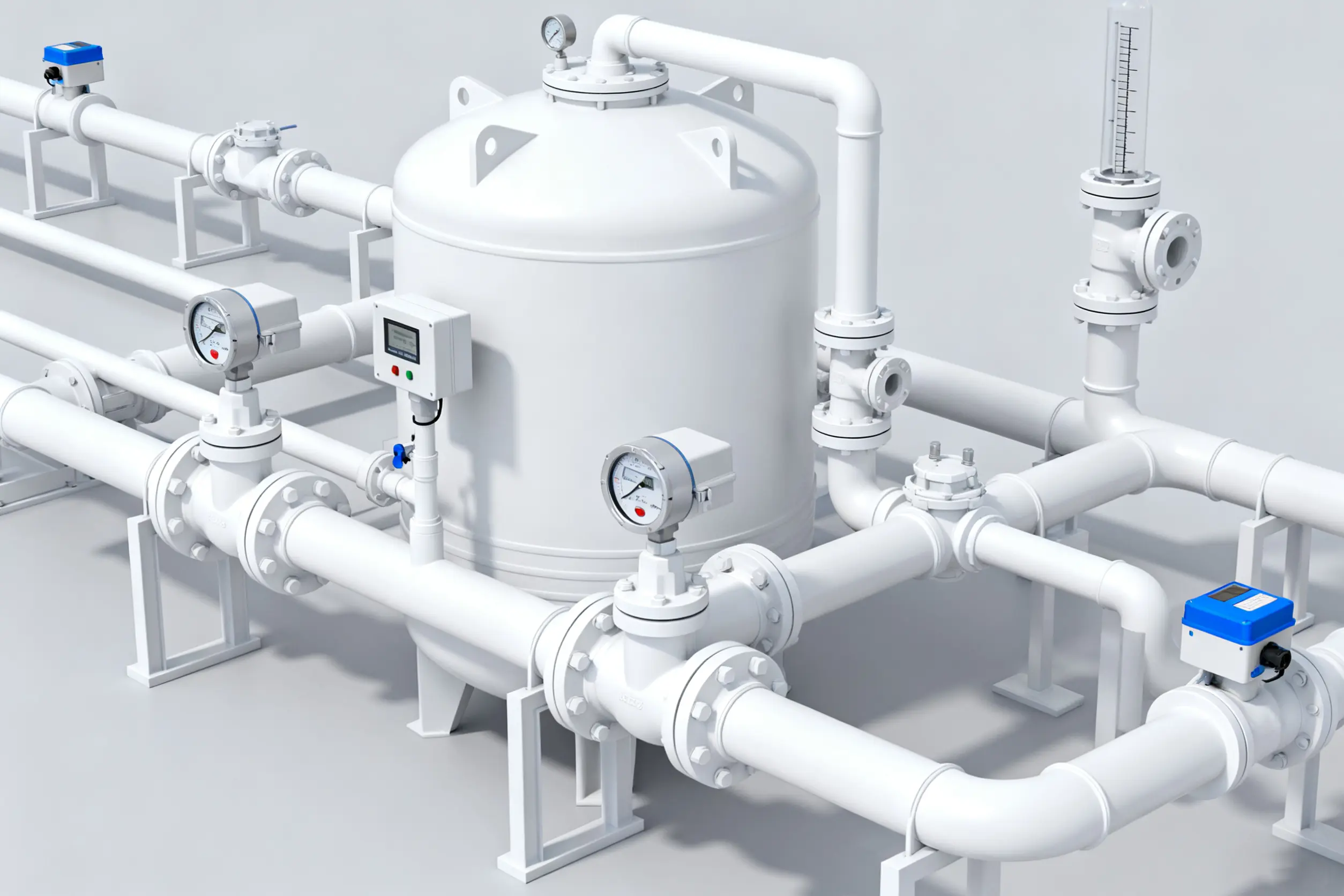
Empower you a precise and reliable measurements in various industries. Providing engineering solutions integrating measuring instruments, and achieving high levels of efficiency and performance in industrial processes.
Solutions

Suitable Instrumentation for Special Applications

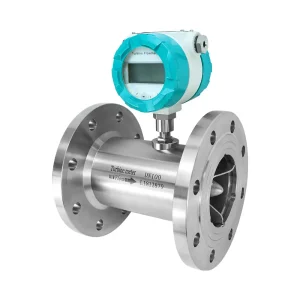
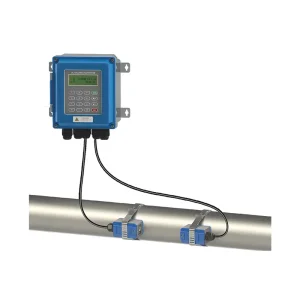
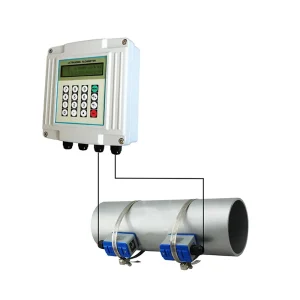
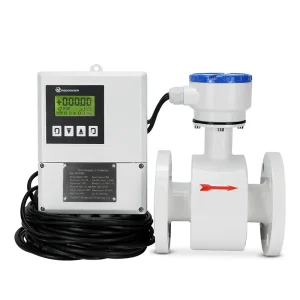
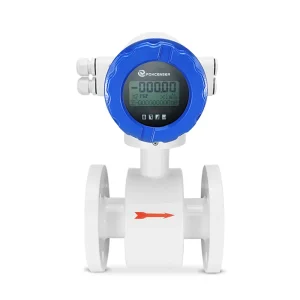
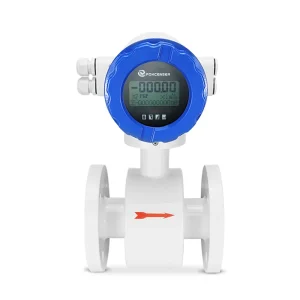
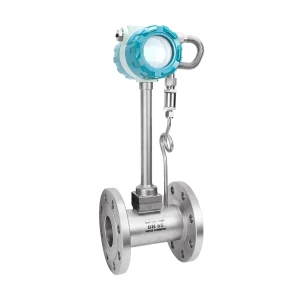
Flow Measurement
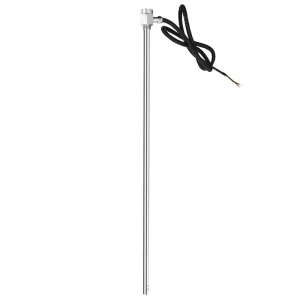
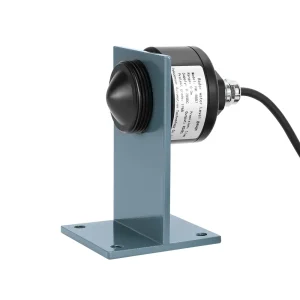
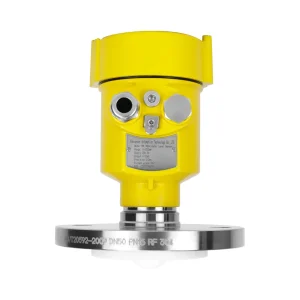
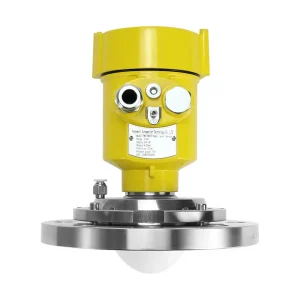
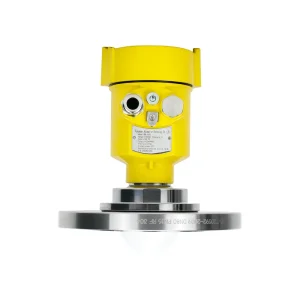
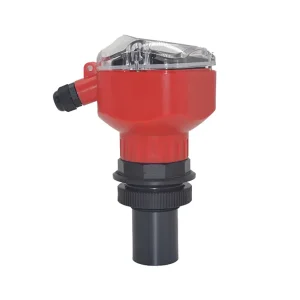
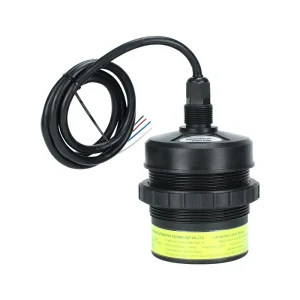
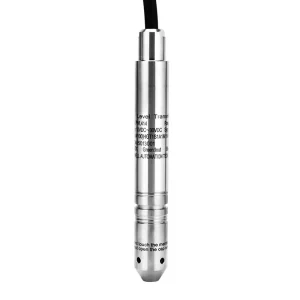
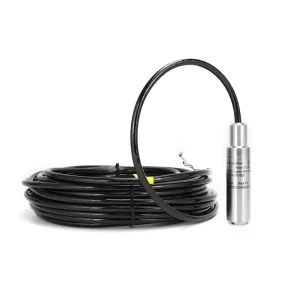
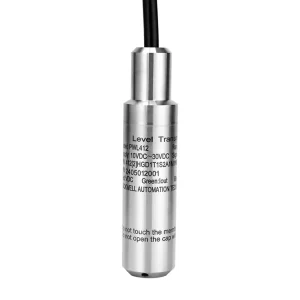
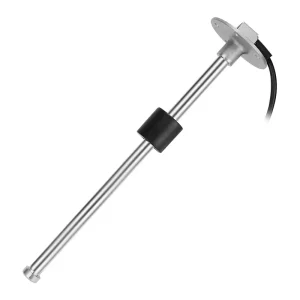
Level Measurement
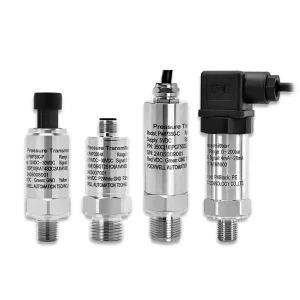
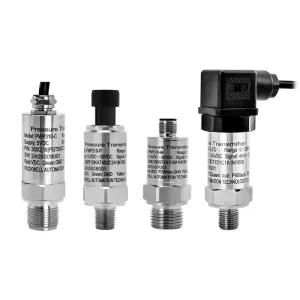
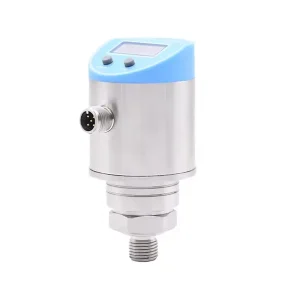
Pressure Measurement
Successful Stories

Many customers are already successfully using Pokcenser solutions, thus ensuring safer, greater measuring and control.
Diaphragm Materials Guide for Pressure Transmitters

Diaphragm Materials Guide for Pressure Transmitters

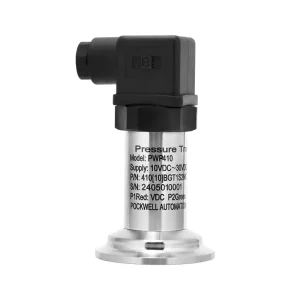
In modern industrial processes, especially in chemical, food, and pharmaceutical industries, corrosion remains one of the most critical challenges affecting pressure measurement reliability. Among all components, the diaphragm material plays a decisive role. It directly contacts the process medium and determines whether a pressure transmitter can maintain accuracy, stability, and long service life. This guide introduces commonly used diaphragm materials and their typical applications, helping engineers make more informed decisions. 316L Stainless Steel – The Industry Standard 316L stainless steel is one of the most widely used diaphragm materials due to its excellent corrosion resistance and good processability. Its low carbon content reduces the risk of intergranular corrosion, making it suitable for: Food & beverage processing Pharmaceutical production General-purpose industrial applications In hygienic environments, diaphragm structure is just as important as material. For example, flush diaphragm designs are often used to avoid residue buildup when measuring viscous or crystallizing media. A typical example is the PWP410 Hygienic Pressure Transmitter by Pokcenser, which features a front-flush welded stainless steel diaphragm. This type of structure eliminates dead zones and makes cleaning significantly easier, especially in applications involving paste-like, sticky, or solids-containing media. Such designs are commonly preferred in the food industry where hygiene and…

Apr 16, 2026 Read More →
Efficient Flow Management in Wastewater Treatment: The Role of the PWF-E1200 Electromagnetic Flow Meter

Efficient Flow Management in Wastewater Treatment: The Role of the PWF-E1200 Electromagnetic Flow Meter

In wastewater treatment plants, accurate flow measurement is critical for monitoring and controlling the processes that ensure clean and safe water is returned to the environment. The PWF-E1200 Electromagnetic Flow Meter provides an innovative solution, offering precise and reliable measurements of conductive fluids under a variety of conditions. This flow meter has become a trusted choice for operators in wastewater facilities, delivering consistent performance while requiring minimal maintenance. Real-World Application: Wastewater Treatment At a typical wastewater treatment plant, the flow of water through various stages—such as filtration, chemical treatment, and sedimentation—needs to be carefully monitored. Any fluctuation in flow rate can lead to inefficiencies or even failures in treatment processes. With its electromagnetic induction principle, the PWF-E1200 ensures accurate measurement of the flow of conductive liquids, including wastewater, regardless of the liquid's viscosity, temperature, or pressure. The electromagnetic technology behind the PWF-E1200 eliminates the need for moving parts, ensuring that maintenance is kept to a minimum. In addition, the meter’s ability to perform accurately without being affected by changes in fluid density or conductivity makes it an ideal choice for wastewater environments, where contaminants and varying fluid properties are common. Why Choose the PWF-E1200 for Wastewater Treatment? Maintenance-Free Operation: With no…

Apr 15, 2026 Read More →
Ask an Expert WhatsApp
WeChat
TOP